
Posted on July 30, 2026
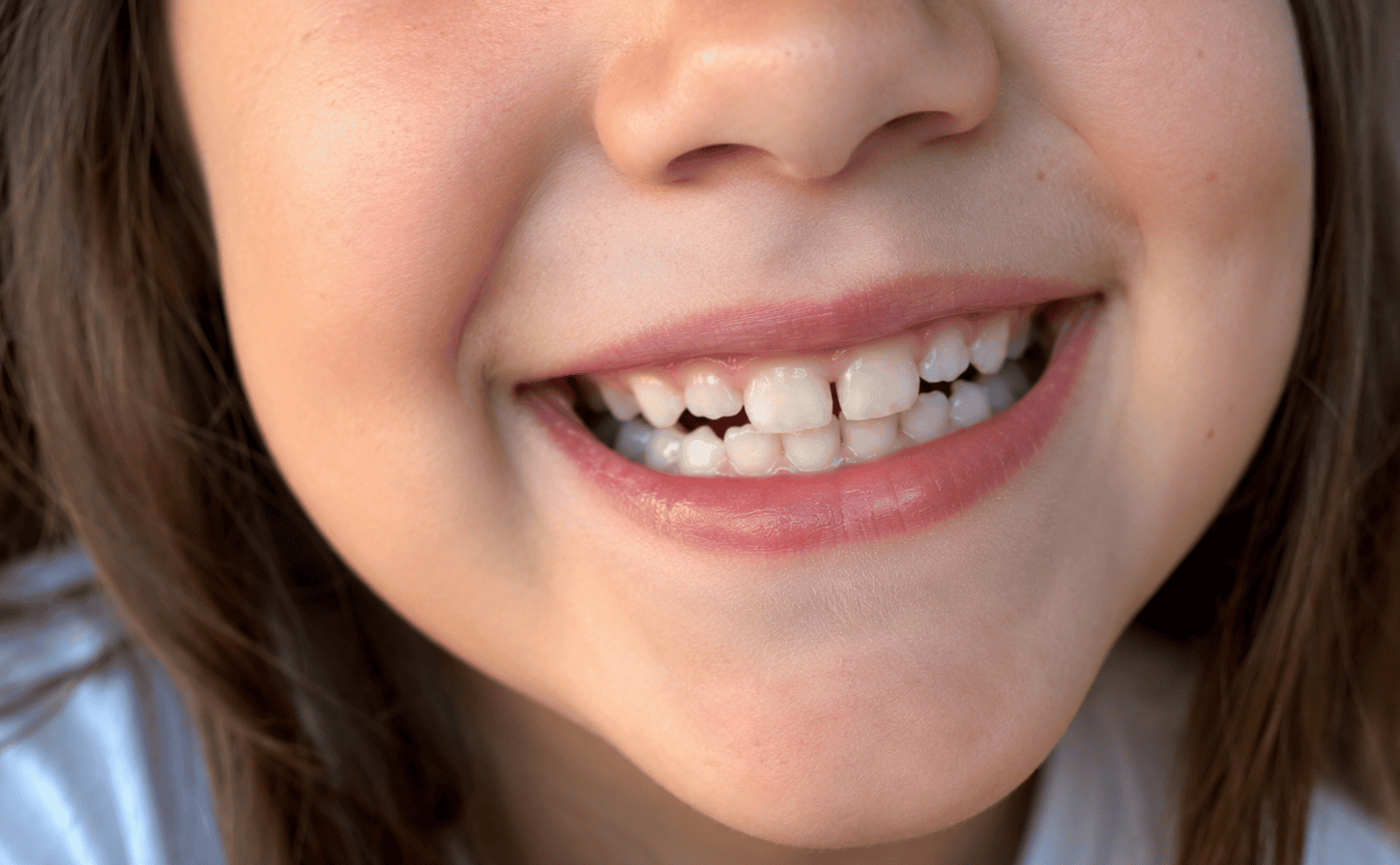
The ideal age for traditional braces is typically between 10 and 14 years old. During this period, the jaw and facial bones are still growing, which allows the teeth to move more efficiently and generally results in a shorter overall treatment time.
Timing matters in orthodontics. Start too early and the permanent teeth have not arrived; start too late and the jaw has finished growing, which slows tooth movement. The American Association of Orthodontists has a clear answer for the first checkup, and our team helps families across Sanger and Denton Counties figure out the right moment to begin.
At Smilebliss Orthodontics, we turn the age question into a written treatment plan for traditional braces in Sanger, starting with a free consultation. Contact us today!
What Age Do Orthodontists Recommend for a First Braces Evaluation?
 The American Association of Orthodontists recommends that every child have an orthodontic checkup no later than age 7. By that age, enough permanent teeth have come in to spot crowding, bite issues, and jaw growth concerns that are not obvious at home. The visit is usually about information, not immediate braces. Three outcomes are normal:
For most kids, the age-7 visit ends with watch-and-wait. Catching issues early lets us act later, instead of fixing a problem that has gotten harder to correct.
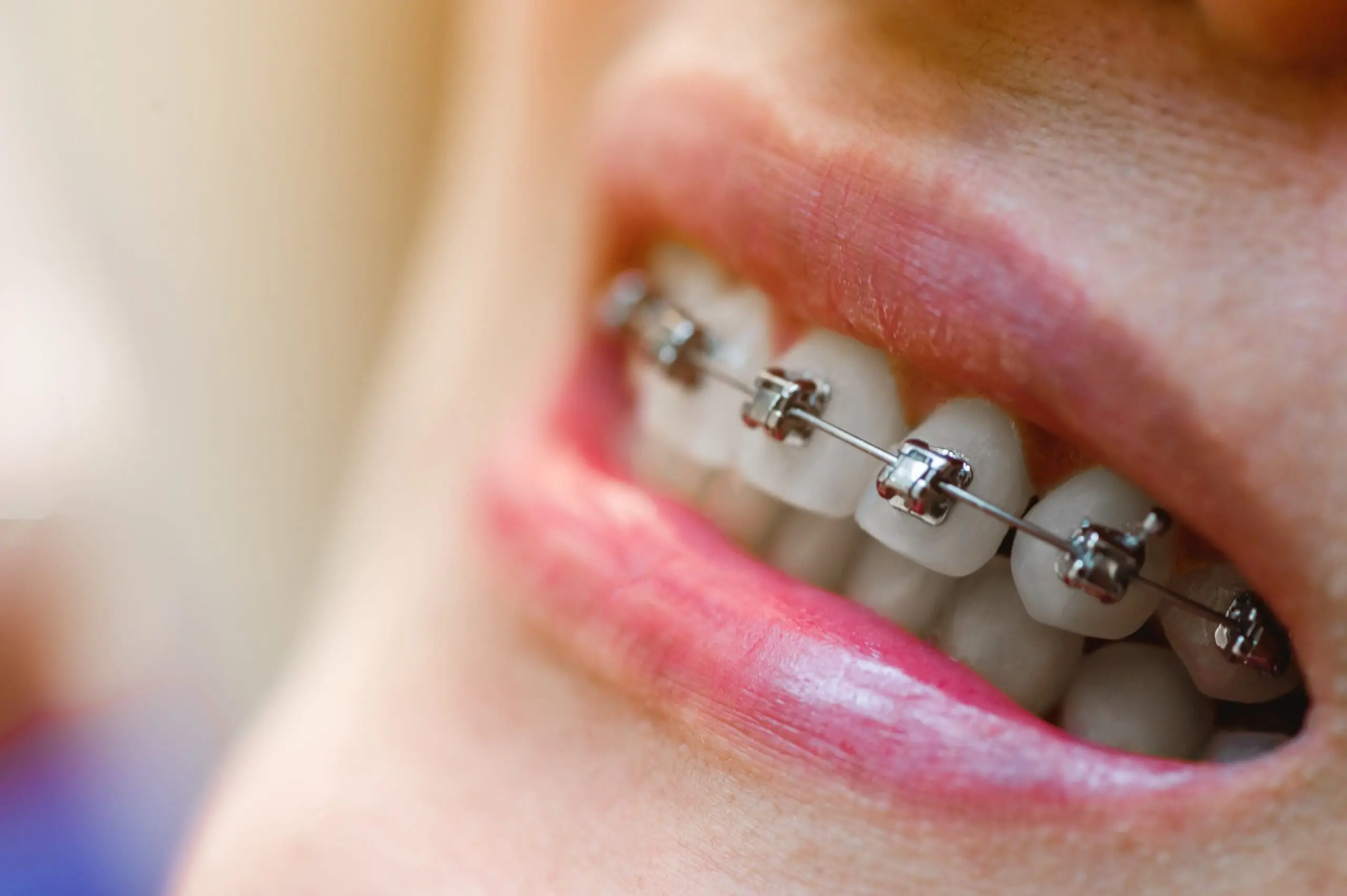
Ages 10 to 14 are the most efficient window for traditional metal braces. Permanent teeth have erupted, the jaw is still growing, and bone remodels faster during adolescence, so teeth respond more predictably to the steady pressure of brackets and archwires. A full course usually runs 18 to 24 months, with adjustments every 4 to 8 weeks.
Three advantages stand out:
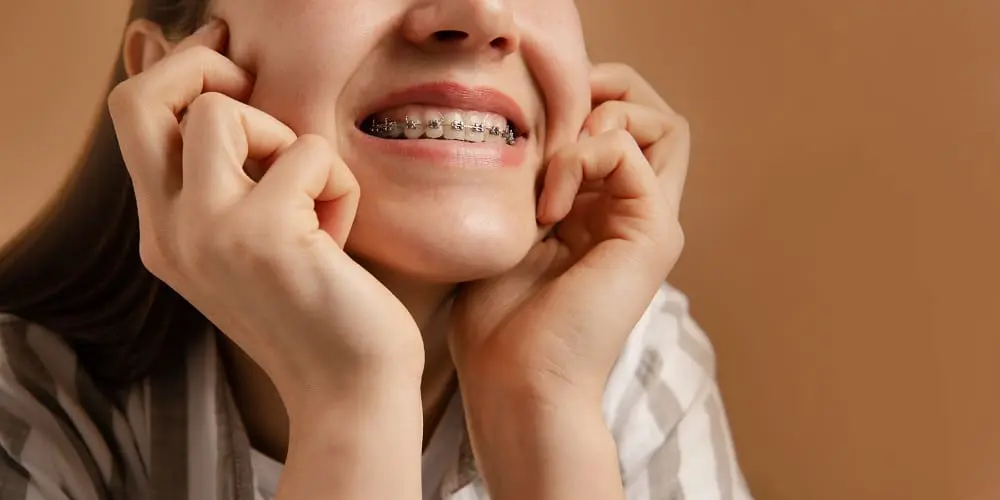
Not at all. Adult patients are a normal part of any orthodontic practice, and the mechanics work the same at 35 as at 13. Brackets and archwires apply consistent force, bone remodels around each tooth, and the bite shifts into a healthier position.
The main difference is the timeline. Adult jaws have stopped growing, so certain bite corrections take longer, and full treatment often runs 24 months or more rather than 18. Adults choose metal braces for several reasons:
The first step at any age is a consultation, not a commitment.
The right age depends on the case, but the decision process is the same for every family we see. Three things matter most when choosing an orthodontist in Sanger.
An orthodontist completes an accredited residency in orthodontics and dentofacial orthopedics after dental school, which separates a specialist from a general dentist offering aligners. Dr. Patel completed her orthodontic residency at NYU Langone Medical Center after dental school at UT Houston and is a member of the American Association of Orthodontists.
A consultation should end with a written treatment plan and a clear total cost, $123/month – just $2,998 total, not a vague range. We offer flexible financing so monthly payments fit a real household budget. Watch for offices that bill per visit; per-visit fees can stack on top of the headline number before treatment ends.
Routine adjustments take 15 to 30 minutes every 4 to 8 weeks. We schedule around the Sanger ISD calendar and after-school commitments.
The best age to get traditional braces in Sanger is the age at which an orthodontist can move the bite into its healthiest position with the least time in treatment. For most kids that window opens around age 10, but the first conversation should happen by age 7 and can happen at any age after.
At Smilebliss Sanger, Dr. Khushbu Patel leads our team and offers a free consultation with no obligation. Call us at (940) 458-0636 to book your visit at our 1650 W. Chapman Drive office today.
The American Association of Orthodontists recommends every child have an orthodontic checkup no later than age 7. By that age, enough permanent teeth have come in to spot crowding, bite issues, and jaw growth concerns not obvious at home. The visit is usually about information, not immediate braces, and typically ends in one of three outcomes: no treatment needed, watch and wait with rechecks every 6 to 12 months, or early treatment with a Phase 1 plan.
Ages 10 to 14 are the most efficient window for traditional metal braces. Permanent teeth have erupted, the jaw is still growing, and bone remodels faster during adolescence, so teeth respond more predictably. A full course usually runs 18 to 24 months with adjustments every 4 to 8 weeks. Advantages include faster tooth movement, better handling of complex cases like rotated teeth and deep bites, and no compliance gap since bonded brackets work 24 hours a day.
Not at all. The mechanics work the same at 35 as at 13 — brackets and archwires apply consistent force and bone remodels around each tooth. The main difference is timeline: adult jaws have stopped growing, so certain bite corrections take longer, and full treatment often runs 24 months or more rather than 18. Adults often choose metal braces for predictability, cost, and not having to decide daily whether to wear a removable tray.
Three things matter most: choosing a specialist orthodontist who completed an accredited residency in orthodontics and dentofacial orthopedics rather than a general dentist offering aligners, getting transparent pricing with a written treatment plan and a clear total cost rather than per-visit billing, and scheduling adjustments around the school or work calendar. Smilebliss Sanger prices traditional braces at $2,998 total or $123 a month.
Dr. Khushbu Patel leads the Smilebliss Sanger team. She completed her orthodontic residency at NYU Langone Medical Center after dental school at UT Houston and is a member of the American Association of Orthodontists. Call (940) 458-0636 to book a free consultation at the 1650 W. Chapman Drive office.
