
Posted on June 3, 2026
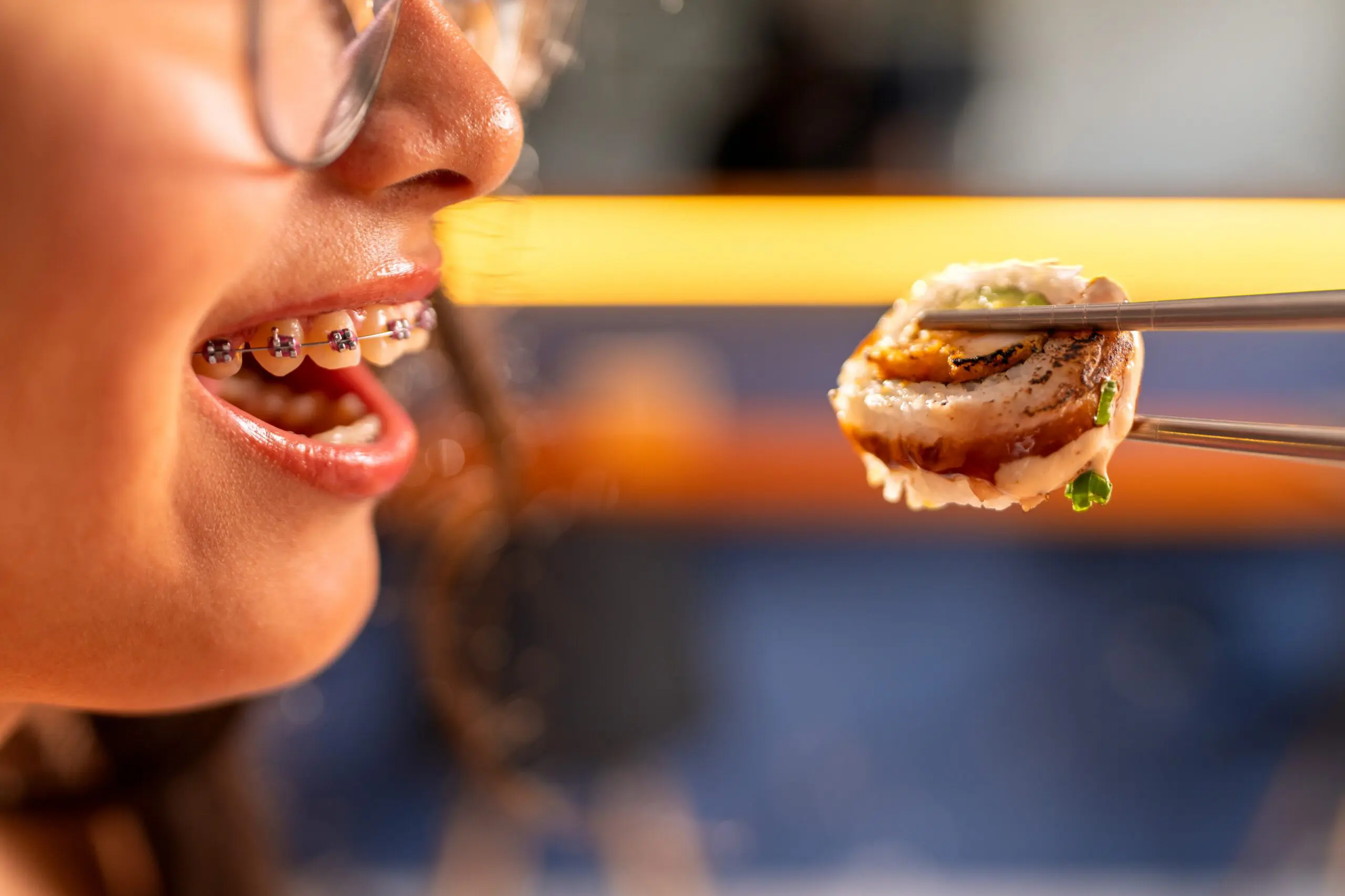
Eating comfortably with metal braces in Tempe gets easier with a few adjustments: cutting food into smaller pieces, chewing with the back teeth, favoring softer textures right after an adjustment, and easing back into firmer foods gradually rather than all at once. Most patients find a comfortable rhythm within the first couple of weeks and keep it for the rest of treatment. A short list of hard and sticky foods stays off the menu the whole time.
Eating comfortably is one of the most common questions patients ask well past their first week. The good news is that a few simple technique changes make most meals feel normal again fast.
At Smilebliss Orthodontics, none of this requires a special diet for the whole course of treatment, just a slightly different approach to how you cut and chew certain foods. This guide walks through the techniques that actually help.
If a specific food or a persistent discomfort has you stuck, we would rather help you work through it than have you guess. Contact us today with any eating questions during treatment.
Brackets and wires change how much pressure your teeth can comfortably handle, especially right after an adjustment when teeth are actively shifting. That sensitivity is temporary and fades within a few days each time.
Beyond the sensitivity, brackets also change how food interacts with your teeth, since certain textures and bite forces put more strain on the hardware than others. Adjusting technique, not avoiding entire food groups, solves most of this.
Food particles also tend to catch around brackets and wires more than they would around bare teeth, which is part of why chewing can feel different even when nothing hurts. Rinsing with water after a meal and checking the mirror for stuck food helps keep the hardware clear and comfortable between brushings. Patients who understand this new dynamic tend to adjust their eating habits faster than those who wait for discomfort to force the change. Our team at Smilebliss’s braces services for Tempe families walks through this adjustment during every adjustment visit so nothing feels like a surprise.
Cutting meals into smaller bites before eating reduces the force any single bite requires, which matters most in the days right after an adjustment when teeth are more sensitive. This is especially useful for foods like sandwiches, meats, and fruit that would otherwise need a big bite.
Smaller pieces also reduce the risk of accidentally biting down hard on a bracket, which is a common source of unnecessary discomfort during meals.
A practical rule of thumb is to cut food down to bite sizes closer to what you’d feed a young child, roughly one-inch pieces for anything firm like chicken breast, steak, or a thick sandwich. Corn works better sliced off the cob than eaten straight, and pizza crust holds up better folded and cut into smaller wedges rather than bitten from a full slice. This habit matters most in the first two to three days after each adjustment, when the wire is applying fresh pressure and even routine bite forces feel amplified.
 Shifting your chewing habit toward your back molars, rather than biting straight down with your front teeth, reduces pressure directly on the brackets that tend to feel it most. Front teeth carry more of the visible bracket hardware and are more sensitive right after an adjustment.
This adjustment takes a little conscious effort at first but becomes automatic within a week or two for most patients.
A simple way to practice is to position food toward the side of your mouth before biting down, rather than centering it in front, so the molars do the bulk of the work. This is especially helpful with foods that used to require a big front-tooth bite, like apple slices, corn on the cob, or a thick burger. Patients who are curious about how their bite and jaw alignment affect this habit can talk to our team about orthodontic care in Tempe during a routine visit since bite patterns vary a little from patient to patient.
Stick to soft foods like pasta, mashed potatoes, and scrambled eggs for the first two to three days after any adjustment, when teeth are at their most sensitive. Soups, yogurt, oatmeal, and smoothies also work well during this window and add variety without adding strain.
As soreness fades, gradually reintroduce firmer textures like bread, cooked vegetables, and tender meats, paying attention to whether any bracket feels extra pressure as you go. This is also a good stretch to test foods one at a time rather than all at once, so it’s easy to tell which texture, if any, still needs a few more days.
Once you’re past the initial adjustment period, most foods are back on the table using the smaller-bite, back-teeth-chewing technique, aside from the short list of hard and sticky foods that stay off the menu for the whole treatment.
Eating with braces gets easier fast once the right technique becomes second nature. Most patients settle into a comfortable rhythm within the first couple of weeks and keep it the rest of the way.
At Smilebliss in Tempe, Dr. Hojae “Jae” Choi and our team walk every patient through eating technique as part of traditional braces treatment. Call us today at (480) 907-0764 with any questions at 512 E. Southern Avenue, Tempe, AZ.
Eating feels harder right after getting braces because the brackets and wires create new pressure points on teeth that are also actively shifting from placement or a fresh adjustment. That combination makes ordinary chewing forces feel more noticeable than usual. The sensitivity typically peaks in the first day or two and fades steadily over the following three to five days as teeth settle into their new position.
Sandwiches, meats, fruit, and anything that would normally require a large front-tooth bite are the foods worth cutting into smaller pieces first. Smaller bites lower the force any one chew requires, which matters most in the days right after an adjustment when brackets and the surrounding teeth are more sensitive than usual. This one habit prevents most accidental bracket bumps during meals.
Yes, shifting your chewing habit toward the back molars genuinely helps, since it reduces pressure on the front brackets that carry more visible hardware and tend to be more sensitive. This matters most in the days right after an adjustment. Most patients find the habit becomes automatic within a week or two of intentional practice.
Most patients find a comfortable eating rhythm within the first couple of weeks of treatment, once smaller bites and back-teeth chewing become second nature. The days right after each future adjustment usually call for a brief return to softer foods. Outside of those short windows, meals feel close to normal for the rest of treatment.
Yes, most patients return to nearly all of their regular foods using the smaller-bite and back-teeth-chewing technique. The exception is a short, fixed list of hard and sticky foods that stay off the menu for the entire treatment because they risk damaging brackets and wires. Everything else becomes routine again within weeks.
Hard candy, ice, popcorn, whole raw apples and carrots, and sticky candies like caramel are the foods that stay off the menu for the entire treatment. Each one risks bending a wire or popping a bracket loose, which usually means an unplanned repair visit. Cutting apples and carrots into thin, cooked, or very small pieces is a safer workaround for most patients.
Yes, renewed sensitivity after every adjustment is completely normal and does not signal a problem with treatment. The wire applies fresh pressure each time teeth are guided into a new position, and that sensation typically fades within two to three days, similar to what patients feel right after their brackets were first placed. Soft foods during that window help it pass comfortably.
Braces themselves don’t create temperature sensitivity, so hot or cold foods aren’t automatically a problem during treatment. Very hot or cold items can feel more noticeable right after an adjustment, when teeth are already a little sensitive from the fresh pressure. Waiting a day or two before diving into ice cream or hot soup after an adjustment tends to be more comfortable.
