
Posted on March 10, 2026
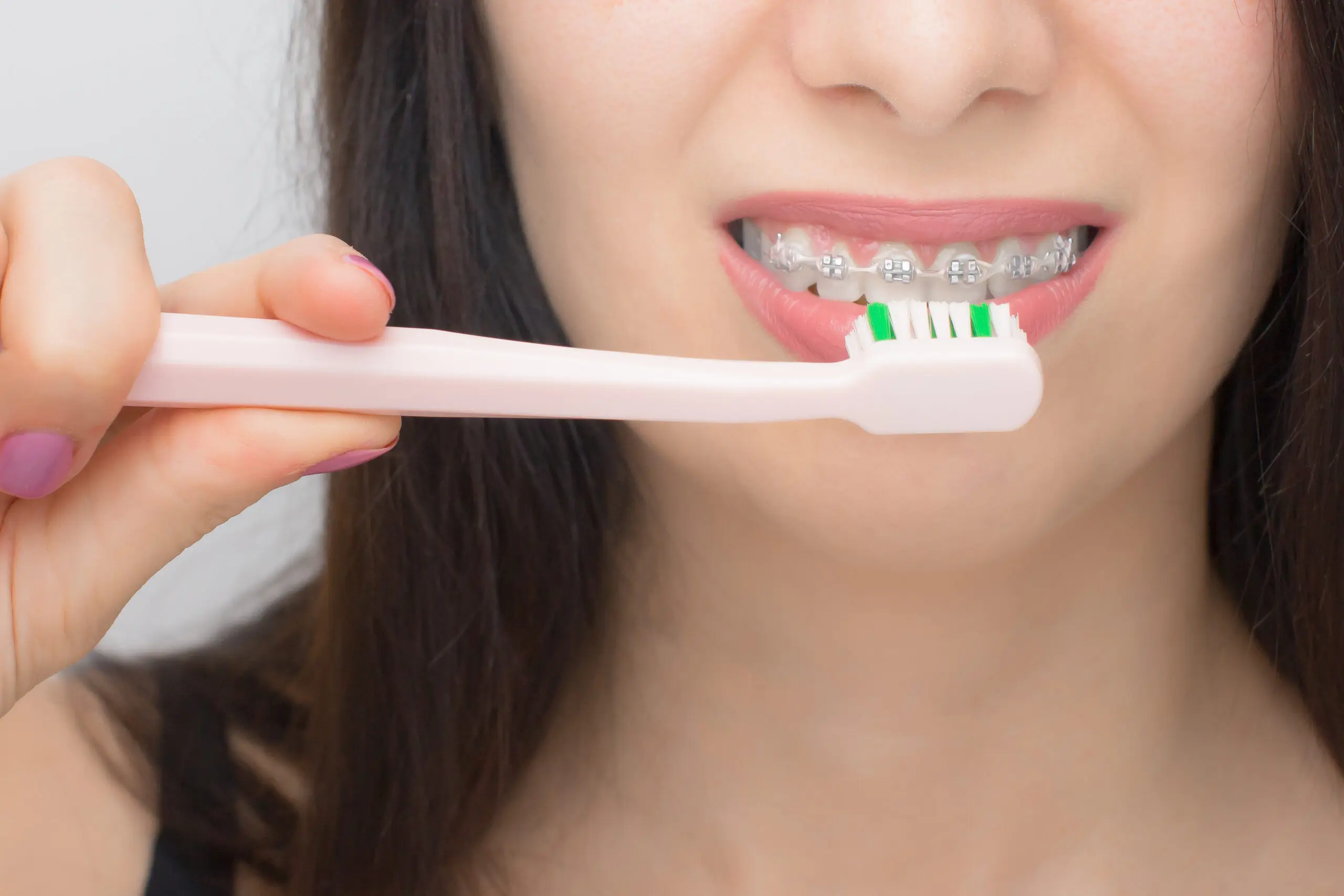
Most patients with braces brush twice a day and still develop white spots or swollen gums before treatment ends. The gap is not effort. It is about having the right tools and technique.
Four areas make the most difference:
At Smilebliss Orthodontics, our orthodontist covers oral hygiene care with every new traditional braces in Sanger patient so you start treatment with the right tools and technique.
Standard brushing equipment does not reach the spaces around brackets and archwires. Each tool below targets a different cleaning zone.
Using all five consistently separates healthy enamel at braces-off day from enamel that needs repair.
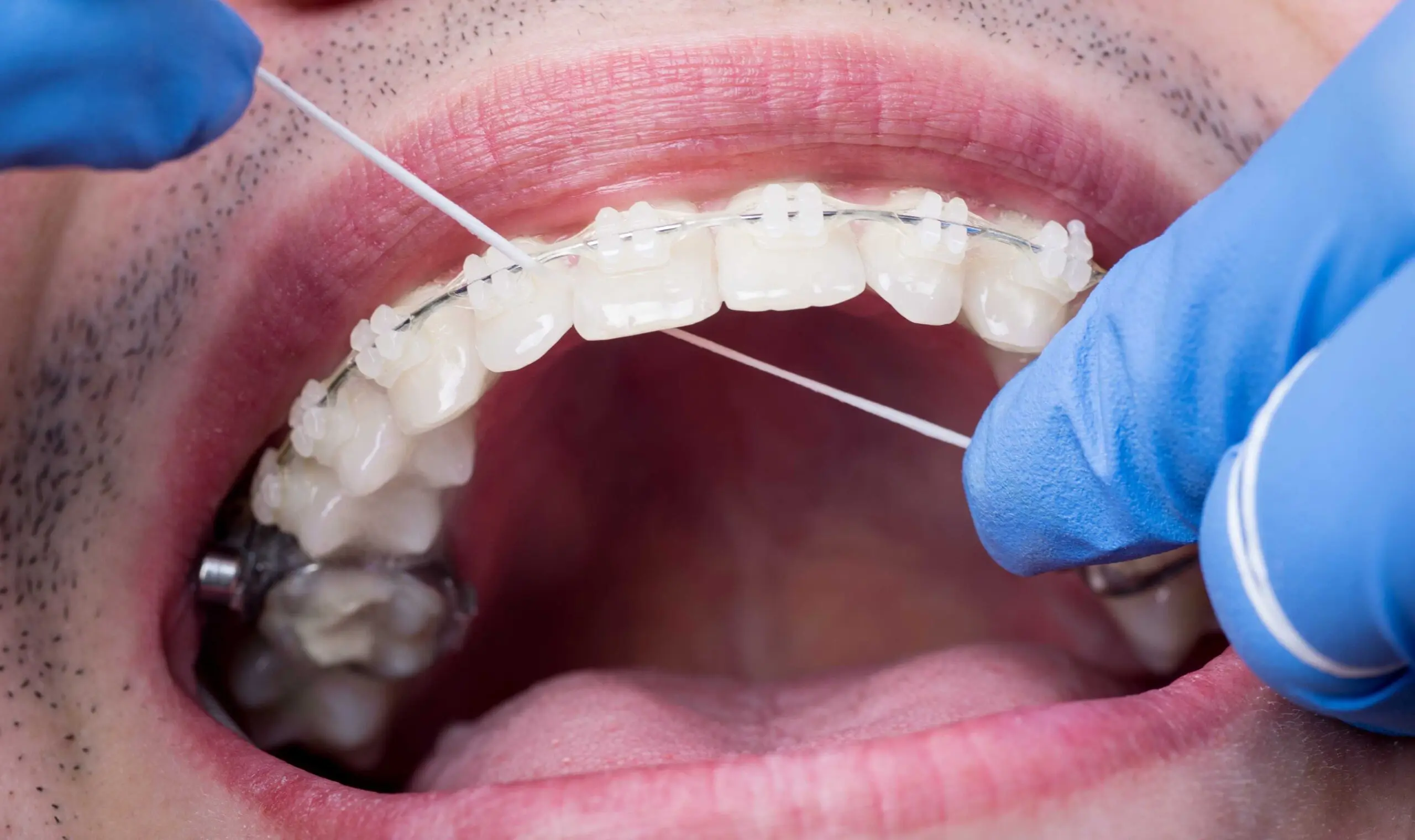 Brackets and archwires divide your teeth into zones a regular brushing stroke skips entirely. Cleaning with braces means two separate angles per tooth, every session, plus a dedicated flossing step to clear debris from under the wire.
Angle the bristles at 45 degrees toward the gumline and brush in small circular motions from the gumline down to the bracket on each tooth. Then reposition to angle up from below the bracket to catch the underside. The American Association of Orthodontists recommends brushing after every meal, not just morning and night, to prevent debris from sitting against bracket margins for hours.
Thread the floss under the archwire before pulling it between two teeth, then slide it up and down the sides of each tooth. A water flosser delivers the same result with a pressurized stream, which many patients find easier to manage daily. Use whichever tool you will commit to.
Some foods make thorough cleaning nearly impossible. Others damage brackets directly, creating pockets where debris and bacteria accumulate.
When you choose traditional metal braces and cut these habits, you arrive at braces-off day with noticeably healthier enamel.
Most patients come in every 4 to 8 weeks for routine adjustments. Each visit is not just a wire change. Our team checks bracket placement, evaluates how teeth are tracking against your treatment plan, and catches early hygiene issues before they affect your enamel.
Staying on schedule with your orthodontist in Sanger keeps the timeline moving. Missed appointments slow tooth movement and can push your finish date back by weeks. If a bracket breaks or something feels off between visits, contact our office right away.
White spots forming around brackets are early decalcification. Enamel is losing minerals faster than your fluoride rinse replaces them. If you notice any spots, let our team know at the next appointment before they progress.
Daily hygiene and consistent orthodontic check-ins are not separate responsibilities. They work together. Good at-home care protects your enamel between visits, and regular appointments catch what brushing alone cannot see. Both are part of the same treatment plan, moving toward the same result.
At Smilebliss in Sanger, our flat fee covers every adjustment, repair, and retainer from bonding day through your final follow-up, with zero-interest in-house financing available. Dr. Khushbu Patel completed her orthodontic residency at NYU Lutheran Medical Center after dental school at UTHealth Houston School of Dentistry.
Call us at (940) 458-0636 to book your free consultation at our 1650 W. Chapman Dr., Suite 100 office in Sanger.
The consultation is free, and you leave with a clear treatment timeline, a cost breakdown, and next steps.
Five tools cover all the cleaning zones braces create: a soft-bristle orthodontic toothbrush used after every meal, interdental (proxy) brushes used once daily to clean between brackets and wires, a floss threader or orthodontic floss used once daily to route floss under the archwire, a water flosser used once daily as a floss supplement to flush debris from around brackets and the gumline, and a fluoride rinse used once daily after brushing to remineralize enamel and reduce white spots.
Angle the bristles at 45 degrees toward the gumline and brush in small circular motions from the gumline down to the bracket on each tooth, then reposition to angle up from below the bracket to catch the underside. The American Association of Orthodontists recommends brushing after every meal, not just morning and night, to prevent debris from sitting against bracket margins for hours.
Avoid sticky and chewy foods like caramel, taffy, gummy candy, and chewy granola bars, which wrap around brackets and resist brushing. Skip hard foods bitten whole, such as apples, raw carrots, corn on the cob, and hard rolls, which can knock brackets loose. Popcorn kernels lodge under archwires, hard chips can crack brackets, and chewing ice can break brackets and stress archwires over time.
Most patients come in every 4 to 8 weeks for routine adjustments. Each visit checks bracket placement, evaluates how teeth are tracking against the treatment plan, and catches early hygiene issues before they affect enamel. Missed appointments slow tooth movement and can push the finish date back by weeks.
White spots forming around brackets are early decalcification, meaning enamel is losing minerals faster than a fluoride rinse can replace them. Patients who notice white spots should let their orthodontist know at the next appointment before the spots progress.
Dr. Khushbu Patel is the orthodontist at Smilebliss Sanger. She completed her orthodontic residency at NYU Lutheran Medical Center after dental school at UTHealth Houston School of Dentistry. Call (940) 458-0636 to book a free consultation at the 1650 W. Chapman Dr., Suite 100 office.
