
Posted on March 23, 2026
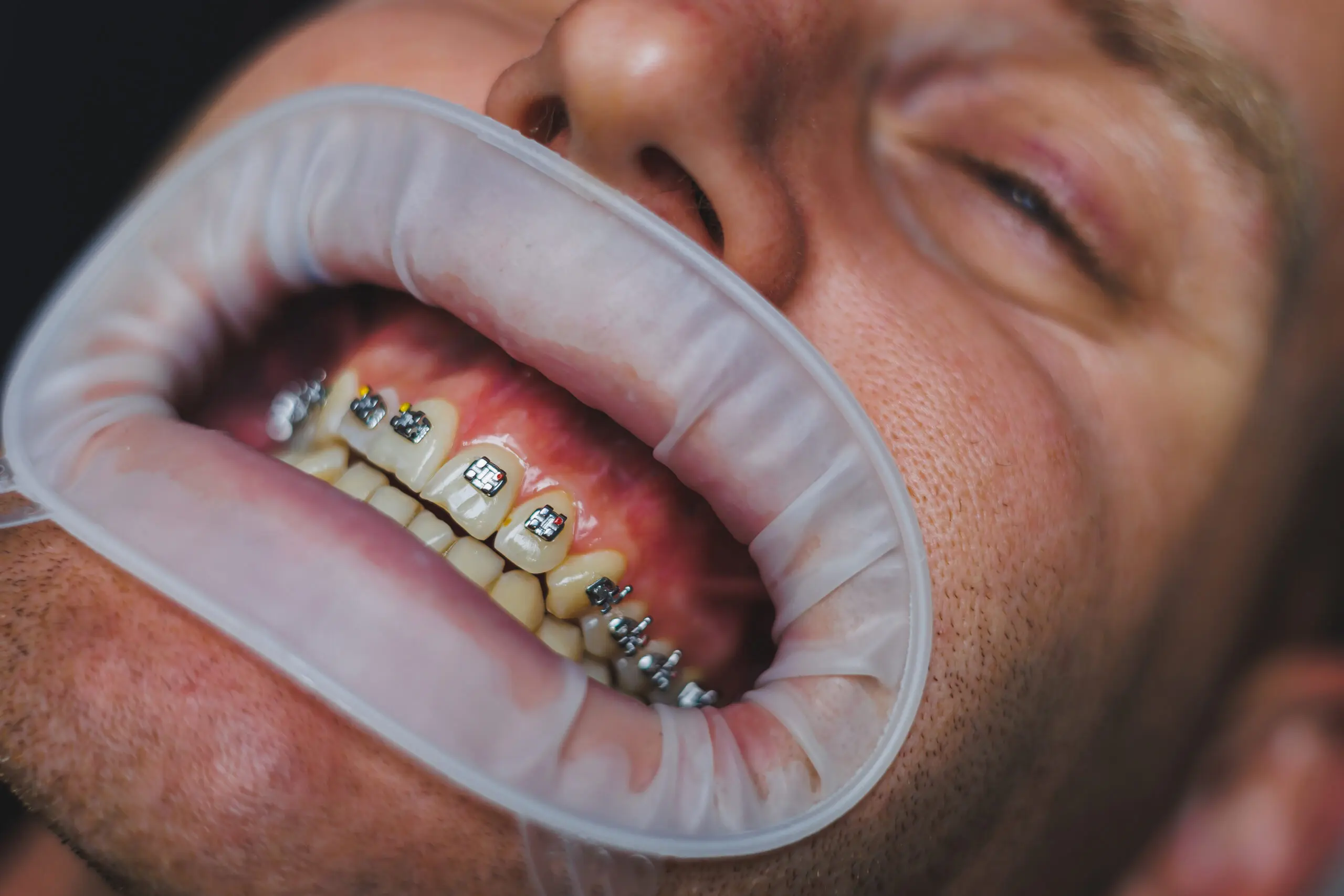
Traditional braces use a system of brackets, archwires, and rubber bands to apply steady, controlled pressure on the teeth. This biological process gradually remodels the jawbone, shifting both the teeth and the jaw into optimal alignment to correct spacing, crowding, and bite issues.
A crooked tooth is easy to spot. Most people miss the bad bite, which is often the bigger problem. When the upper and lower teeth do not meet the way they should, it affects how you chew, how well you can clean your teeth, and how your jaw feels by the end of the day.
At Smilebliss Orthodontics, our Sanger team uses traditional braces in Sanger to fix both at once: how teeth line up and how they come together.
Here is what braces correct, how they do it, and when to start.
Braces correct two related things: alignment, which is how straight your teeth are, and bite, which is how your top and bottom teeth meet when you close. Most people come in with some mix of both. These are the issues we treat most often:
Braces handle these cases reliably because the brackets and wire move each tooth in a precise, controlled direction. That control makes them a strong choice for complex bite problems, not just mild crowding.
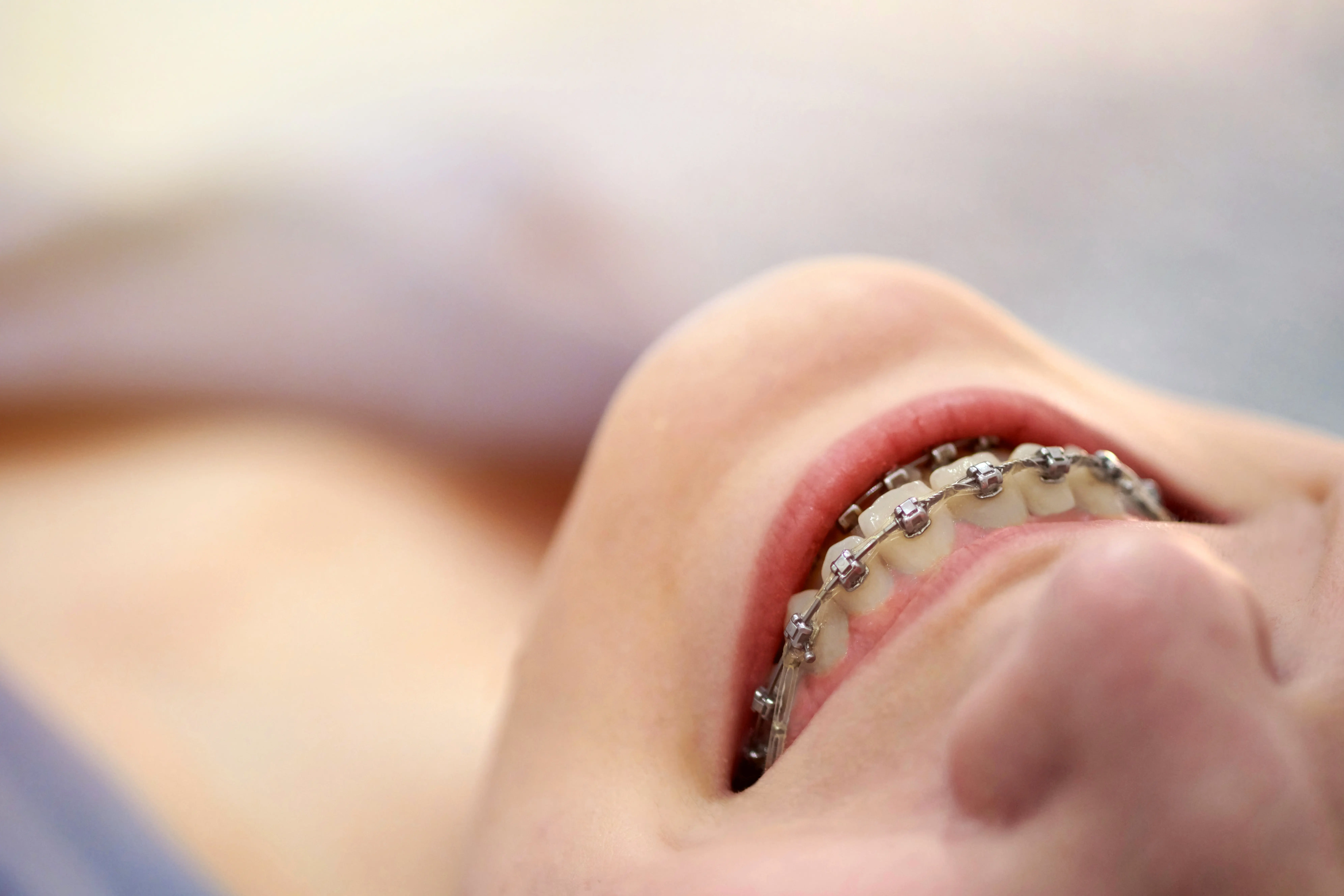 Teeth are not locked into the jaw. They sit in bone that responds to steady pressure, and that is the whole principle behind traditional metal braces. Each bracket is bonded to a tooth, a thin archwire connects them, and the wire applies light, continuous pressure in a set direction.
That pressure starts a natural process in the bone. On the side, a tooth is moving toward the bone, which breaks down to make room. Behind it, where the tooth used to sit, new bone fills in. Over months, the tooth and its root settle into a better position and stay there.
Alignment usually comes first. Once teeth are straighter, we shift focus to the bite, often adding small elastics that pull the upper and lower jaws into the right relationship. Adjustments every 4 to 8 weeks keep the movement on track, with the wire changed or tightened as your teeth respond.
A straighter smile is the reward most people picture. The bigger payoff is function. A bite that lines up spreads the force of chewing evenly across all your teeth instead of grinding down a few of them. It also makes teeth easier to clean, which protects against decay and gum problems in the spots a crowded mouth tends to hide.
A misaligned bite does the opposite over time. Here is how a few common problems play out and what correction changes:
Correcting the bite protects how your teeth function for decades, not only how they look.
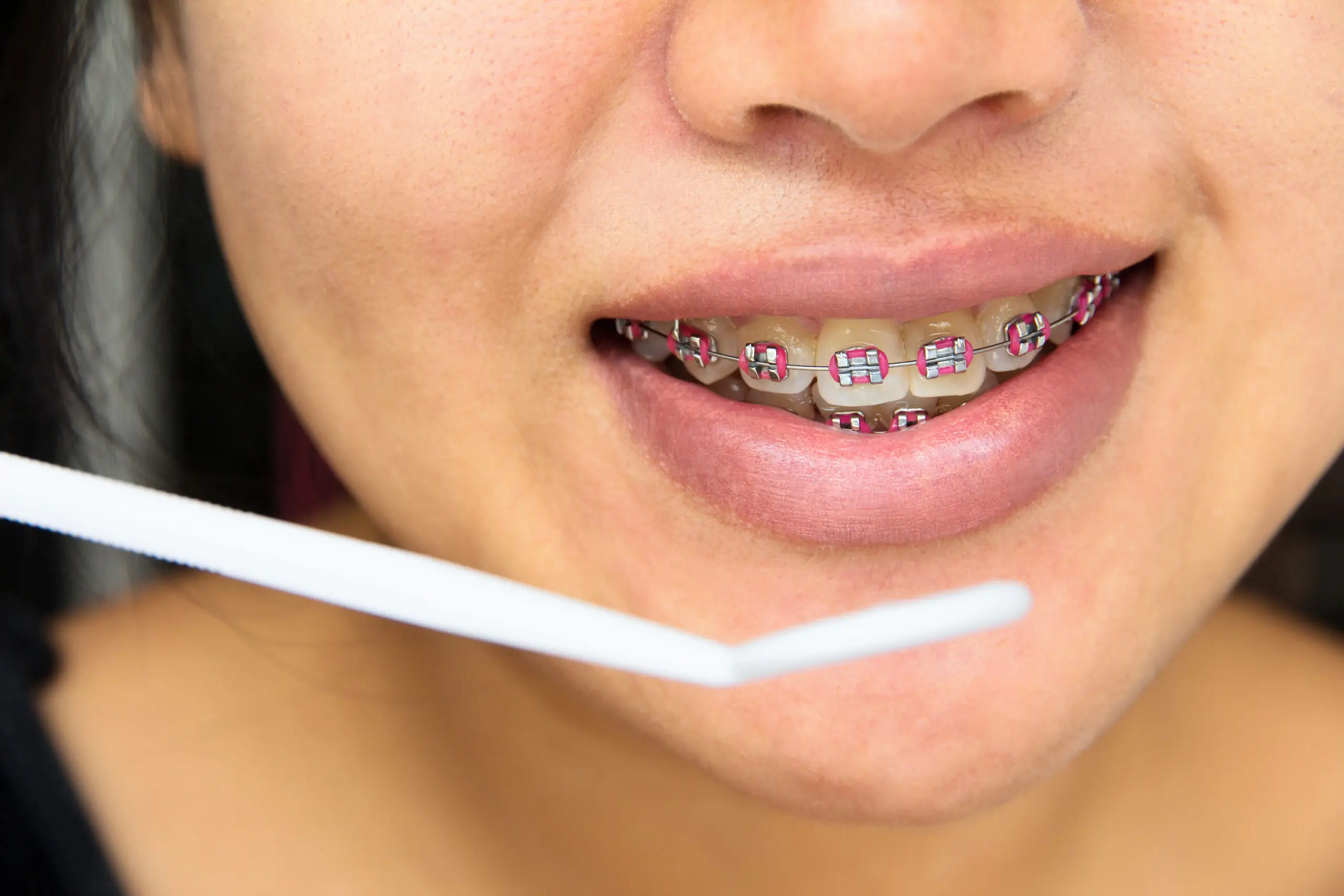 Timing matters more for bite issues than for simple crowding. The American Association of Orthodontists still recommends a first orthodontic check-up by age 7. That does not mean braces that early. It means a trained eye can catch a developing bite problem while the jaw is still growing, when it is easiest to guide.
For most kids and teens, active treatment starts later and runs about 18 to 24 months. Teen jaws are still in a growth phase, so bone remodels quickly and bite correction tends to move along well.
Adults are not too late either. The same mechanics work at any age, and many of our patients start in their 30s, 40s, and beyond. The first step is a visit with an orthodontist in Sanger who can look at your bite and explain what treatment involves.
The only way to know exactly what your bite needs is to have someone look at it. A free consultation includes a digital exam and a custom plan that lays out your treatment and timeline before you commit to anything.
At Smilebliss in Sanger, traditional braces are $2,998 with in-house payment plans, as low as $123 a month. Dr. Patel completed her residency in orthodontics and dentofacial orthopedics at NYU Langone Medical Center, and more than 170 patient reviews back the care our team brings to every smile.
We welcome families from Sanger, TX and the surrounding Denton County communities. Call us at (940) 458-0636 to book your free consultation at our 1650 W. Chapman Drive office today.
Traditional braces correct crowding, spacing and gaps, overbite, underbite, crossbite, and open bite. Braces handle these cases reliably because the brackets and wire move each tooth in a precise, controlled direction, making them a strong choice for complex bite problems, not just mild crowding.
Each bracket is bonded to a tooth, a thin archwire connects them, and the wire applies light, continuous pressure in a set direction. That pressure triggers bone remodeling: bone breaks down on the side a tooth is moving toward and new bone fills in behind it, so the tooth and root settle into a better position over months. Alignment usually comes first, then small elastics pull the upper and lower jaws into the right bite relationship, with adjustments every 4 to 8 weeks.
A bite that lines up spreads chewing force evenly across all teeth instead of grinding down a few of them, and it makes teeth easier to clean, protecting against decay and gum problems in spots a crowded mouth tends to hide. A misaligned bite does the opposite over time, wearing down enamel unevenly, straining the jaw, and trapping plaque in hard-to-reach spots.
The American Association of Orthodontists recommends a first orthodontic check-up by age 7 so a trained eye can catch a developing bite problem while the jaw is still growing. That does not mean braces start that early — active treatment for most kids and teens starts later and runs about 18 to 24 months. Adults are not too late either; the same mechanics work at any age, and many patients start in their 30s, 40s, and beyond.
Traditional braces at Smilebliss Sanger cost $2,998 total, with in-house payment plans as low as $123 a month. A free consultation includes a digital exam and a custom treatment plan and timeline before committing to anything.
Dr. Khushbu Patel is the orthodontist at Smilebliss Sanger. She completed her residency in orthodontics and dentofacial orthopedics at NYU Langone Medical Center, and more than 170 patient reviews back the care the team provides. Call (940) 458-0636 to book a free consultation at the 1650 W. Chapman Drive office.
