
Posted on March 14, 2026
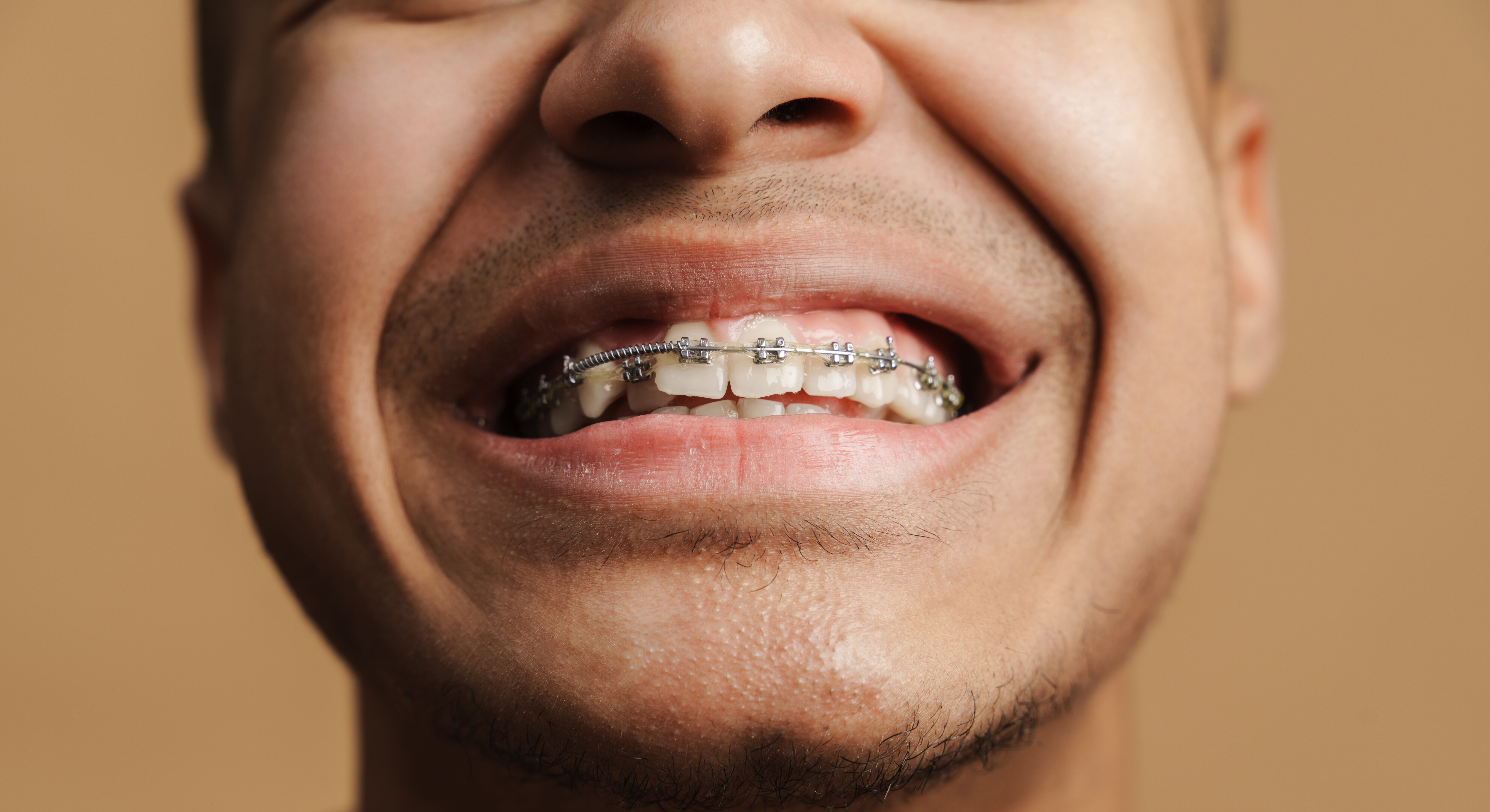
Traditional braces in Sanger are surrounded by outdated myths that quietly stop families from getting care that would help. In reality, braces correct bite and function (not just looks), work for adults as well as teens, cause only mild, short-lived soreness, and finish most cases in about 18 to 24 months.
Plenty of myths still follow traditional metal braces around Sanger, and most of them are years out of date. A lot of those beliefs quietly talk families out of treatment that would genuinely help.
The truth is that braces have changed, and so has what we know about who they help and how long they take. Sorting fact from fiction is the first step toward a confident decision.
At Smilebliss Orthodontics, we hear the same misconceptions week after week, and we are glad to clear them up. If any of these have been holding you back, you can settle them in a free consultation with us about traditional braces. Contact us today!
No, looks are only part of the story. Traditional braces also correct how your teeth meet and function, which protects your oral health for the long run.
For families who want a proven fix for both looks and function, traditional metal braces still do the job better than almost anything else.
No, and Sanger families ask us this all the time. Metal braces work just as well on adults as they do on teens, so the right age depends on the case, not on a number.
The American Association of Orthodontists recommends a first orthodontic evaluation by about age 7. Most children that young are not ready for braces yet, but the visit lets us spot bite or spacing problems early and plan the right time to start. Catching issues while the jaw is still growing often makes later treatment simpler.
Adults make up a growing share of orthodontic patients, and metal braces work just as well on a mature jaw. Treatment can take a little longer because adult bone shifts more slowly, but the outcome is every bit as reliable. It is rarely too late to fix a bite you have lived with for years.
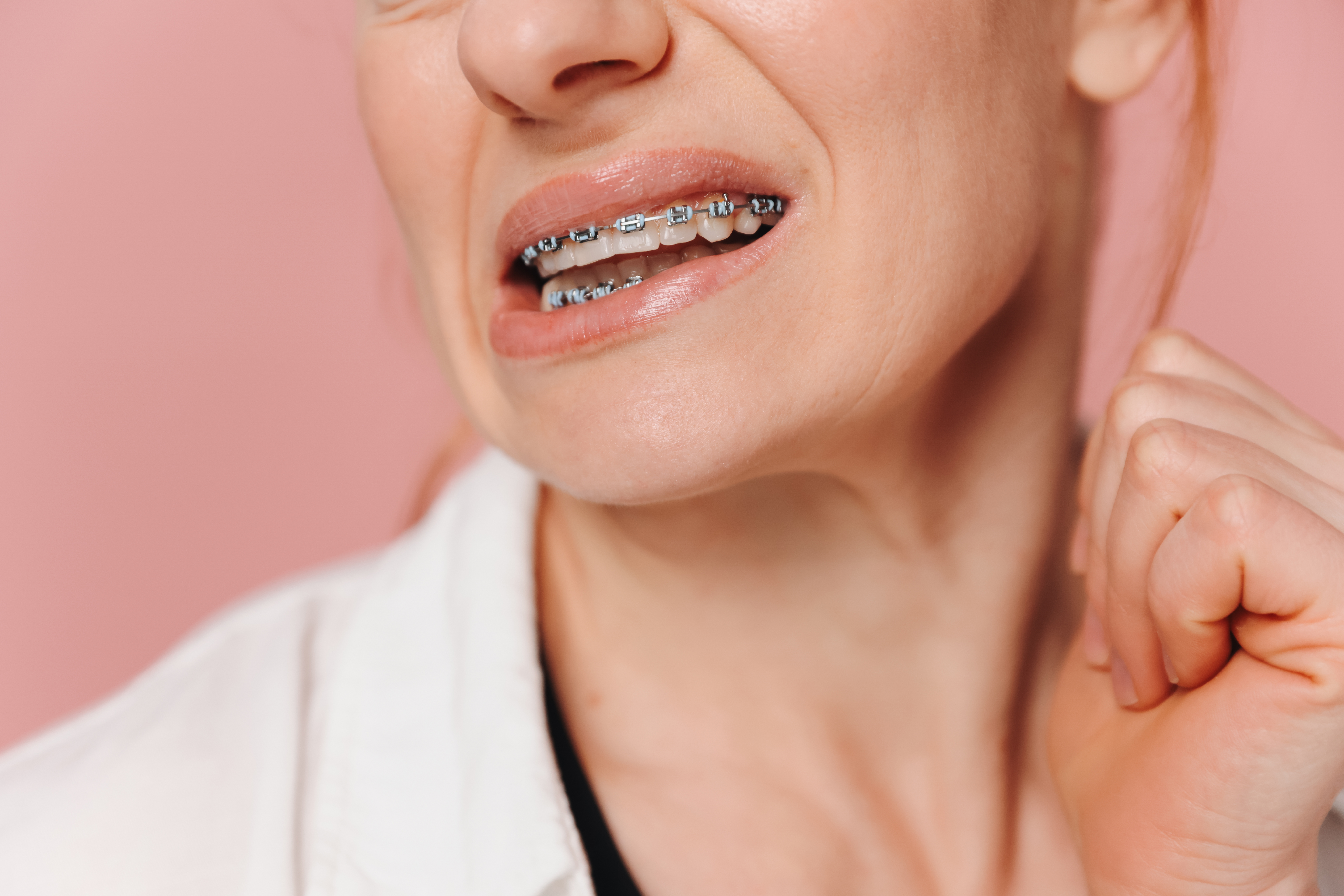 No on both counts. Modern braces are more comfortable than the versions many parents remember, and most cases finish in about 18 to 24 months rather than the many years people fear.
Soreness is real, but it is mild and short-lived. Most patients feel some tenderness for a few days after the braces go on and again briefly after each adjustment, and then it settles down. Soft foods and over-the-counter pain relief handle those first days with ease.
The timeline myth is just as overblown. In line with typical orthodontic treatment times, simpler cases can wrap sooner while only complex bite work runs longer. Steady appointments and good daily care keep treatment on schedule.
A few stubborn myths do the most damage because they stop families before they ever book a visit. Here is how the most common ones stack up against reality.
If you are still weighing your options, a short talk withDr. Patel, an orthodontist in Sanger, clears up the rest faster than any article can.
The best way to replace a myth is with a straight answer about your own teeth. A free consultation gives you a real plan, a clear cost, and time to ask every question.
At Smilebliss in Sanger, Dr. Khushbu Patel builds your plan after completing an orthodontic residency at NYU Lutheran Medical Center and dental school at UT Houston. Call our Sanger team at (940) 458-0636 to swap the myths for a real plan at our 1650 W. Chapman Dr., Suite 100 office.
No. Traditional braces also correct how teeth meet and function, protecting oral health long term. Benefits include bite alignment for overbites, underbites, and crossbites; even wear so teeth don’t grind down unevenly; easier cleaning with fewer tight spots for plaque; clearer speech from closing gaps and fixing crowding; and jaw comfort from a balanced bite that reduces soreness and headaches.
No. Metal braces work just as well on adults as they do on teens, so the right age depends on the case rather than a number. The AAO recommends a first evaluation by about age 7 to spot problems early, but adults make up a growing share of orthodontic patients, and treatment is just as reliable in a mature jaw — it may simply take a little longer because adult bone shifts more slowly.
No on both counts. Modern braces are more comfortable than older versions, and most cases finish in about 18 to 24 months rather than years. Soreness is real but mild and short-lived — most patients feel tenderness for a few days after braces go on and again briefly after each adjustment, managed with soft foods and over-the-counter pain relief.
Not at Smilebliss Sanger. The $2,998 flat-fee pricing bundles every visit, repair, and final retainer, with zero-interest in-house financing available as low as $123 a month, making the cost predictable from day one.
No. A retainer is needed to hold the result after braces are removed. Smilebliss Sanger’s flat fee includes the final retainers as part of the treatment plan.
No. Routine adjustments at Smilebliss Sanger are spaced weeks apart and can be planned around the Sanger school calendar, so they don’t require constant disruption to a student’s routine.
