
Posted on December 1, 2025
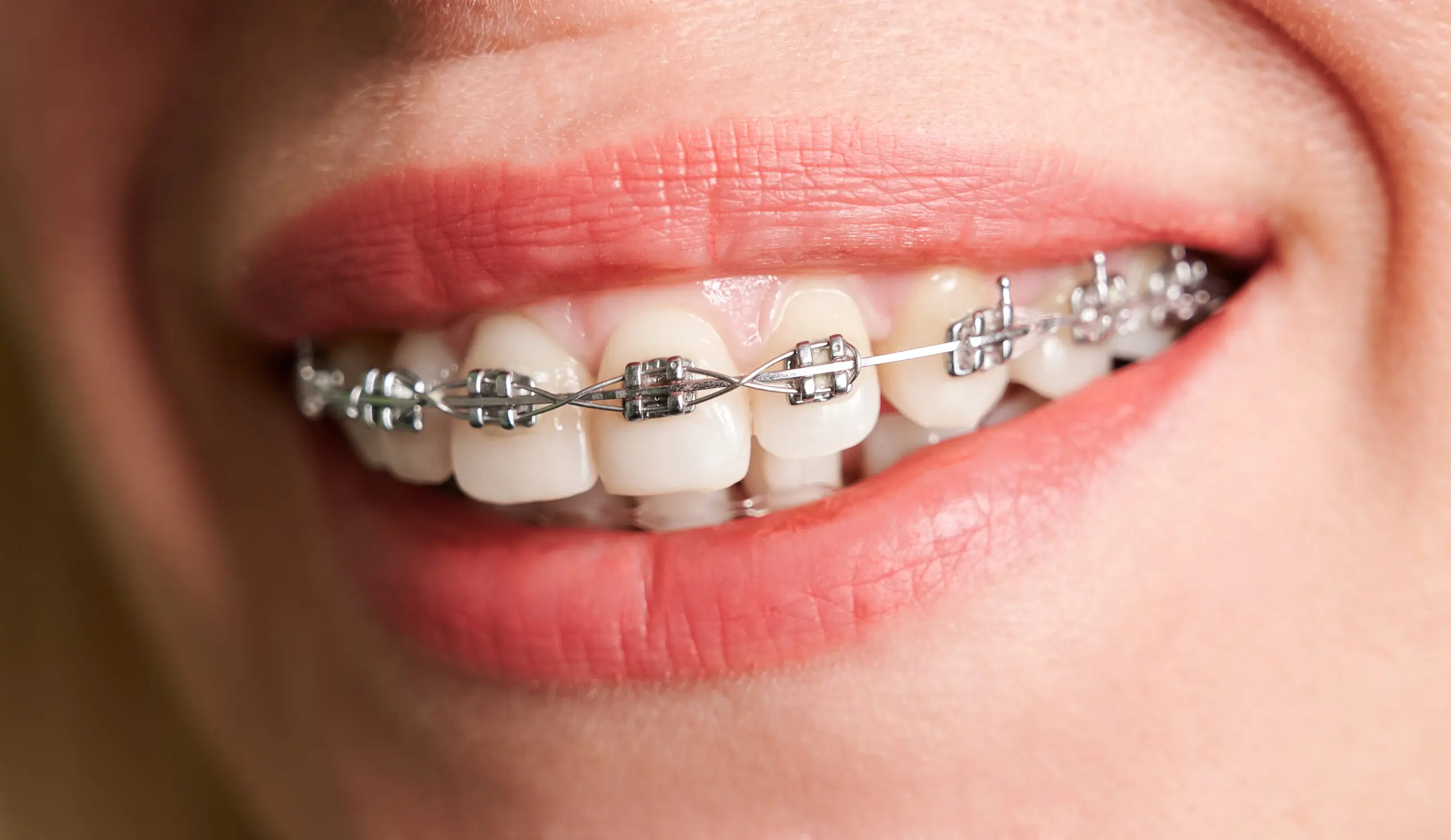
Starting your orthodontic treatment with metal braces is an exciting step toward a straighter, healthier smile. However, it’s completely normal to experience some discomfort and adjustments during your first week.
Knowing what to expect can help you feel more at ease, including initial discomfort as your mouth adapts to your new braces. Knowing what to expect can help you feel more at ease. New braces may feel strange at first, but such discomfort is a normal part of the adjustment period.
At Smilebliss Orthodontics, as a trusted provider of expert orthodontic care, we understand that getting braces can feel overwhelming at first. We’re here to help guide you through the process and ensure you’re comfortable every step of the way. Contact us today!
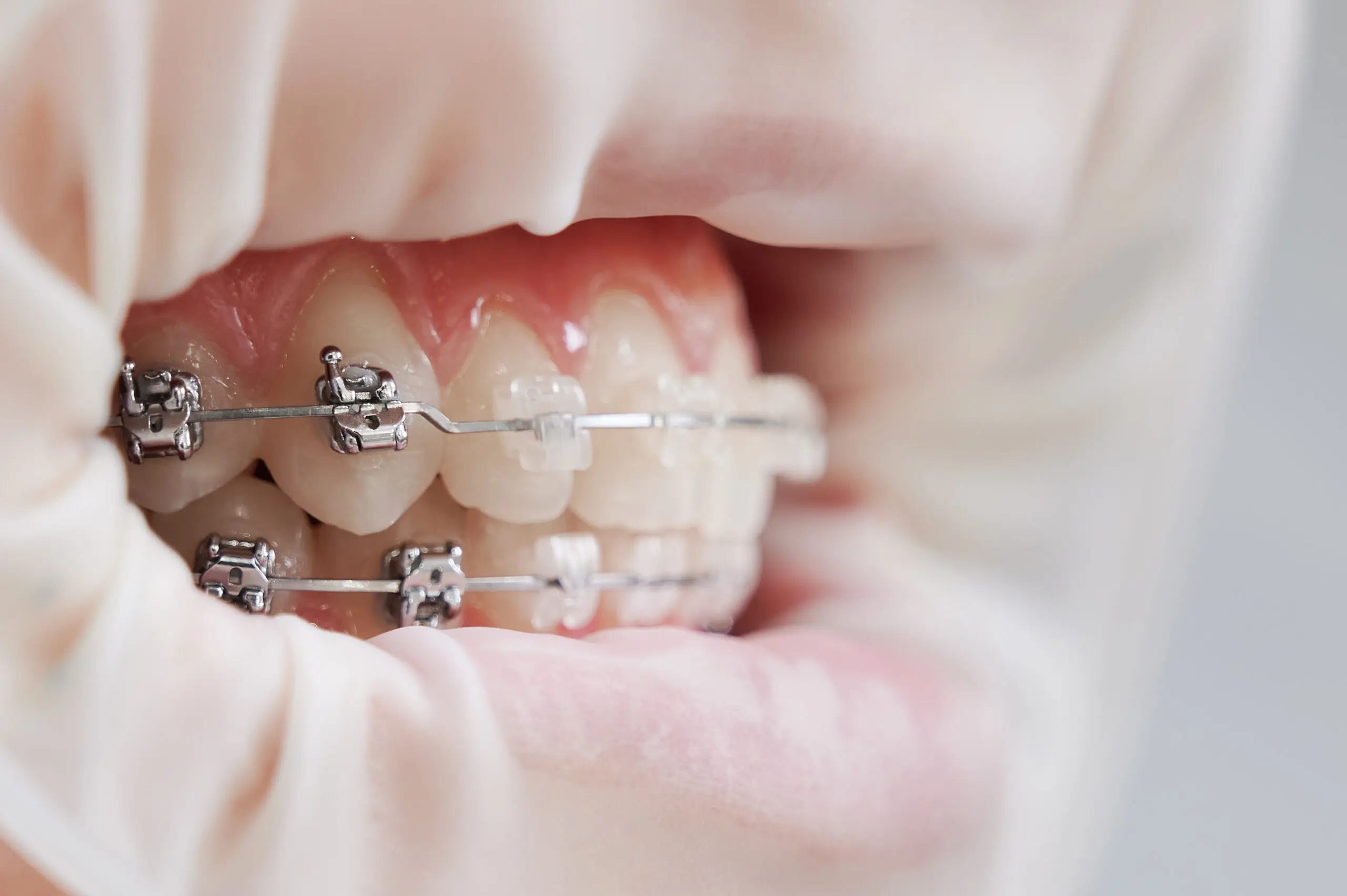 Your first day with braces marks the beginning of your journey toward a more confident smile. The doctor will begin by assessing your teeth and gums to determine the best alignment plan.
Then, they will use a special adhesive to attach the brackets to your teeth and thread the archwire through. This process usually takes about an hour.
You might feel some tightness and discomfort after the installation as your teeth begin to shift. It’s normal to experience some soreness, and over-the-counter pain relievers can help manage this discomfort.
The first two days after getting braces are typically the most uncomfortable. The pressure from the braces can cause your teeth to feel sore, and the inside of your mouth might be irritated from the brackets and wires.
During this time, focus on soft foods that are easy to chew, such as mashed potatoes, scrambled eggs, and yogurt. Avoid hard, crunchy, or chewy foods that could put too much pressure on your teeth.
Over-the-counter pain medication like ibuprofen or acetaminophen can help ease the pain. Additionally, rinsing your mouth with warm salt water can provide relief for sore gums.
By the middle of the week, the discomfort should start to ease. While you may still experience some tenderness, it will be more manageable. You can try eating slightly tougher foods, like soft pasta or bananas, but chew slowly to avoid damaging your braces.
Orthodontic wax can be helpful for reducing irritation from the brackets. It’s also a good time to practice speaking and eating with your braces, as this helps your mouth adjust to the new appliances.
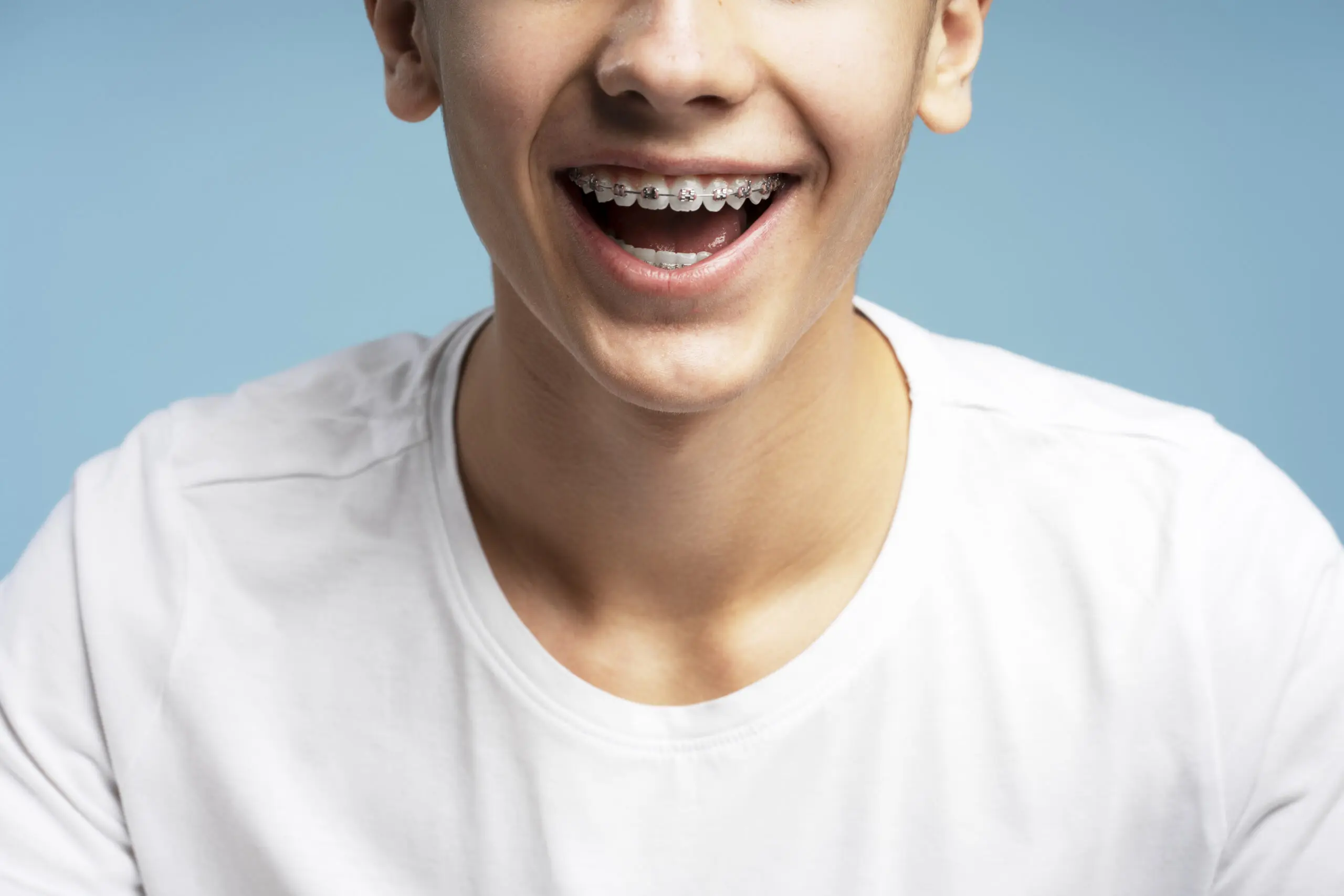
By the end of the first week, most of the discomfort should be gone. Your braces will feel more like a natural part of your mouth, and you may even notice slight changes in your teeth. This is a positive sign that your treatment is working!
At this point, your oral hygiene routine should be well established.
Make sure to brush your teeth after every meal to remove food particles and plaque around the brackets and wires.
The first week with braces requires some adjustments to your diet. Soft foods will be your best friend during this period, and it’s important to be mindful of what you eat to avoid damaging your braces.
Your teeth will likely be sore, so focus on soft, easy-to-chew foods. Some great options include:
These foods are gentle on your teeth and help reduce discomfort. Be sure to cut food into smaller pieces to avoid putting too much pressure on your braces.
 To protect your braces and prevent discomfort, avoid foods that can damage the wires or brackets. These include:
When eating fruits or vegetables, be sure to cut them into small pieces to make chewing easier.
Chew slowly and carefully to reduce the strain on your braces. Cutting food into smaller pieces or using a fork to bite through sandwiches or pizza crusts can help. After eating, rinse your mouth with water to remove any food particles and keep your mouth hydrated.
Maintaining good oral hygiene is essential during your orthodontic treatment. Braces create extra surfaces for food and plaque to collect, so it’s important to brush and floss carefully to keep your teeth and gums healthy.
Brushing with braces requires extra attention. Use a soft-bristled toothbrush and fluoride toothpaste. Hold the brush at a 45-degree angle to your gumline and gently brush each tooth, paying extra attention to the areas around the brackets and wires.
Brush for at least two minutes, making sure to cover all surfaces of your teeth. Be sure to replace your toothbrush regularly to avoid frayed bristles that won’t clean effectively.
Flossing with braces can be challenging but is just as important. You can use an orthodontic flosser or a floss threader to help you maneuver between your teeth and around the wires. Take your time to floss gently, being careful not to break the floss or irritate your gums.
A water flosser is a great tool for cleaning between your teeth and around your braces. It uses a pressurized stream of water to remove food particles and plaque, making it easier to maintain good oral hygiene.
Rinse your mouth with fluoride mouthwash to help strengthen enamel and prevent cavities. Saltwater rinses can also be beneficial for soothing sore gums or irritation caused by the braces.
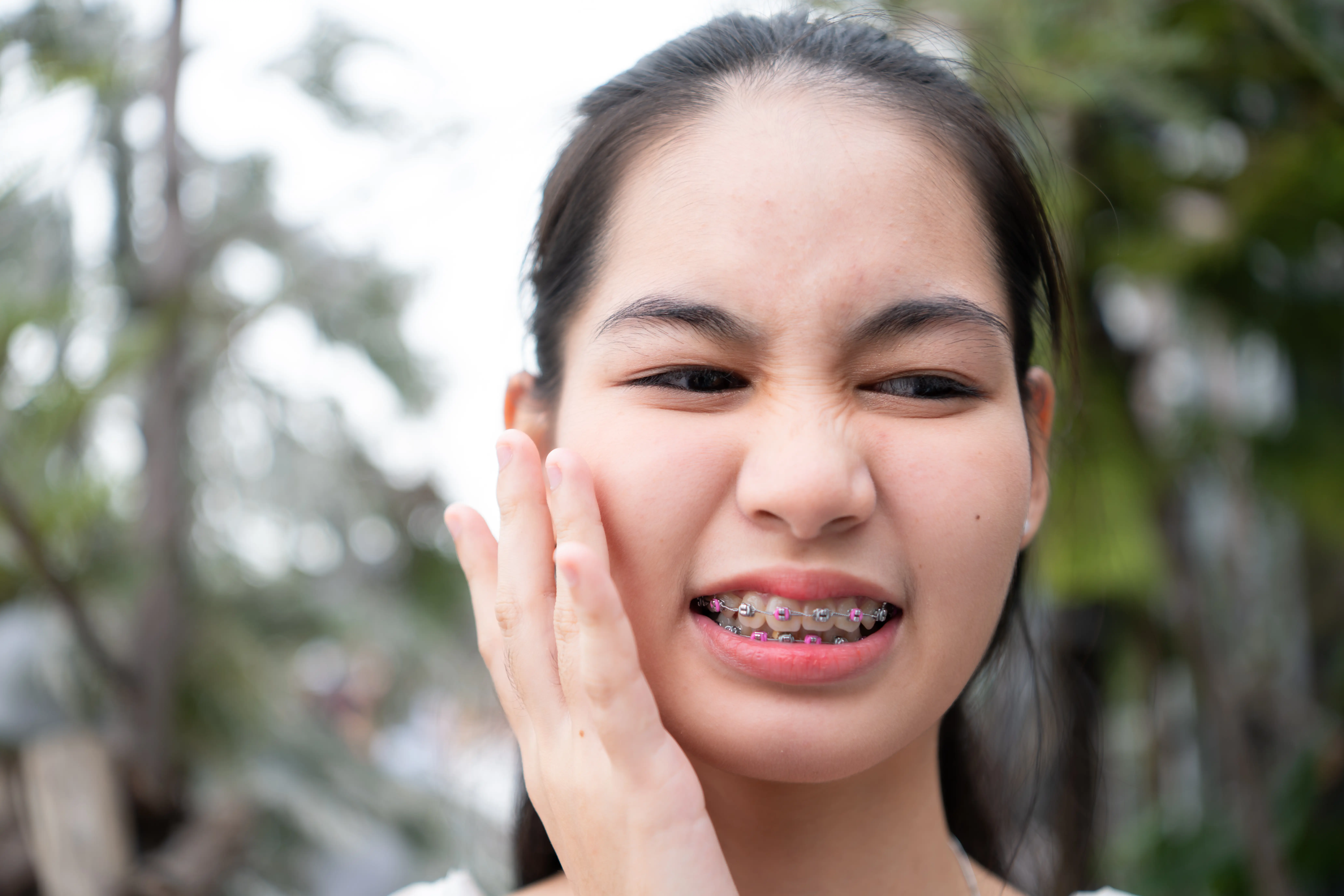 While discomfort is normal during the first week with metal braces, there are several ways to ease the pain:
These tips will help you manage the discomfort, and keep in mind that this stage is temporary. You’ll soon get used to your braces, and the pain will subside.
The first week with metal braces can be tough, but it’s just the beginning of your journey to a healthier, more confident smile. With the right care and patience, the discomfort will ease, and you’ll soon see the positive effects of your treatment.
At Smilebliss Orthodontics, we provide expert orthodontic treatment and services to guide you every step of the way. If you have any questions or concerns, don’t hesitate to give us a call!
We’re here to support you and help you achieve the smile you’ve always dreamed of!
