
What to Do When Retainer Doesn’t Fit Anymore
Your retainer is very important for keeping your beautiful, straight smile after an orthodontic treatment. But what happens when your retainer no longer fits? It’s not uncommon to experience a fit issue after completing your braces or clear aligner treatment. Fortunately, it’s usually something that can be fixed, and the next steps are simple to follow.
At Smilebliss, we understand that a misfit can be frustrating. Whether your retainer is too tight, too loose, or uncomfortable, we’re here to guide you through the process of finding a solution. Here’s what you need to do when your retainer doesn’t fit and how to take care of it moving forward.
Recognizing When Your Retainer Doesn’t Fit
The first step in addressing a fit issue is knowing when your retainer isn’t working as it should. Here are some signs that indicate your retainer isn’t fitting properly:
- Pain or discomfort: If your retainer feels tight or you experience sharp pain or discomfort when wearing your retainer, it’s a strong indication that it’s not fitting right.
- Poor fit: A retainer should sit snugly against your teeth. If there’s noticeable space between the retainer and your teeth, it might not be aligned correctly.
- Difficulty putting it in or removing it: A well-fitting retainer should slide in and out easily. Struggling to fit it in or remove it could signal a misfit.
- Looseness: If your retainer feels loose or shifts around, it’s not doing its job properly. A retainer should keep your teeth in place, not slide around in your mouth.
These issues are often caused by natural shifts in your teeth after treatment, inconsistent use, or even damage to the retainer itself. It’s important to address them quickly to avoid any long-term effects on your smile.
What Not to Do When Your Retainer Doesn’t Fit
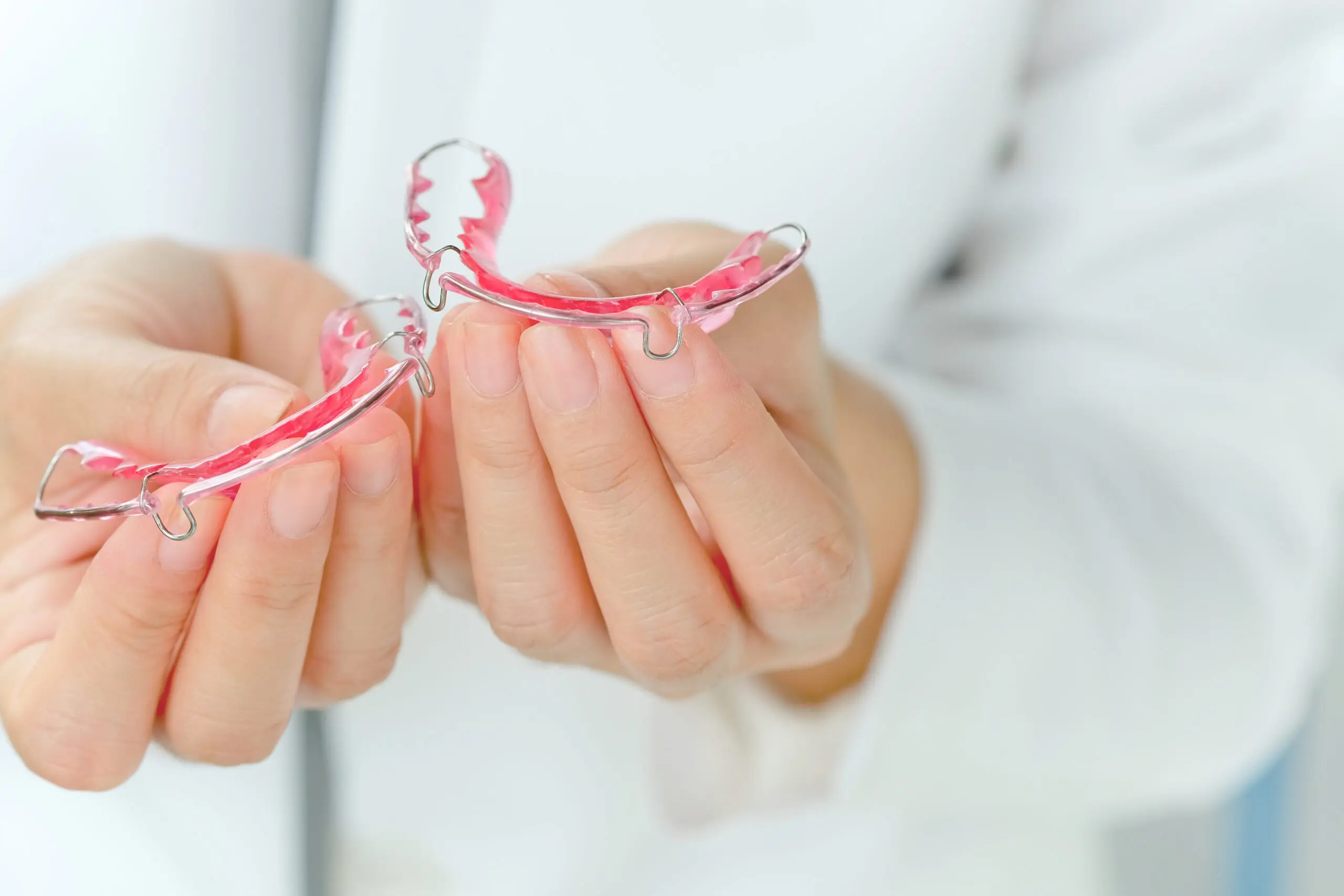
 It’s easy to panic when you realize your retainer doesn’t fit, but it’s important to avoid certain actions that could make the situation worse. Here’s what you should NOT do:
- Don’t force it: If your retainer doesn’t fit, don’t try to force it in or out of your mouth. Forcing it can cause damage to the retainer or harm your teeth.
- Avoid adjusting it yourself: It’s tempting to try to reshape or bend your retainer, but this can lead to further problems. Retainers are designed to fit your teeth perfectly, and making adjustments at home could make the fit worse.
- Don’t wait too long: If your retainer doesn’t fit, delaying the issue can cause your teeth to shift out of alignment. It’s important to take action as soon as you notice a problem.
Instead, stay calm and follow the next steps for fixing the issue.
The First Step: Check for Any Visible Damage
Before taking any further steps, it’s a good idea to inspect your retainer for visible damage. In some cases, the issue may be as simple as a crack or warp in the material.
- Cracks or breaks: If you see any cracks or breaks in your retainer, it may no longer function properly. Removable retainers made from plastic or wire can crack if dropped or mishandled.
- Warping: Exposure to heat or moisture can cause a retainer to warp. If you accidentally left it in a hot car or exposed it to extreme temperatures, it may no longer fit as it should.
- Obstructions: Sometimes, buildup of plaque or food particles can affect the fit of your retainer. If there’s visible debris, clean it thoroughly with lukewarm water and a soft toothbrush before trying it again.
If you notice any of these issues, it may be time to replace the retainer. If no visible damage is found, continue with the next steps to address the fit issue.
Contact Your Orthodontist or Provider
Once you’ve checked for visible damage, the next step is to contact your orthodontist or provider. They are the best source of advice for resolving fit issues and will be able to assess the problem accurately.
Here’s why it’s important to reach out to a professional:
- Professional assessment: An orthodontist will evaluate your retainer and your teeth to determine whether the retainer can be adjusted or needs to be replaced.
- Quick solution: Most orthodontists can adjust your retainer during your appointment or may take new impressions to create a replacement if necessary.
- Avoid future complications: A professional can help prevent long-term problems by addressing the issue quickly. If you delay, your teeth may shift out of place, leading to additional treatment.
Be prepared to describe the symptoms you’re experiencing (e.g., pain, discomfort, looseness) to your orthodontist, as this will help them diagnose the issue.
Possible Solutions
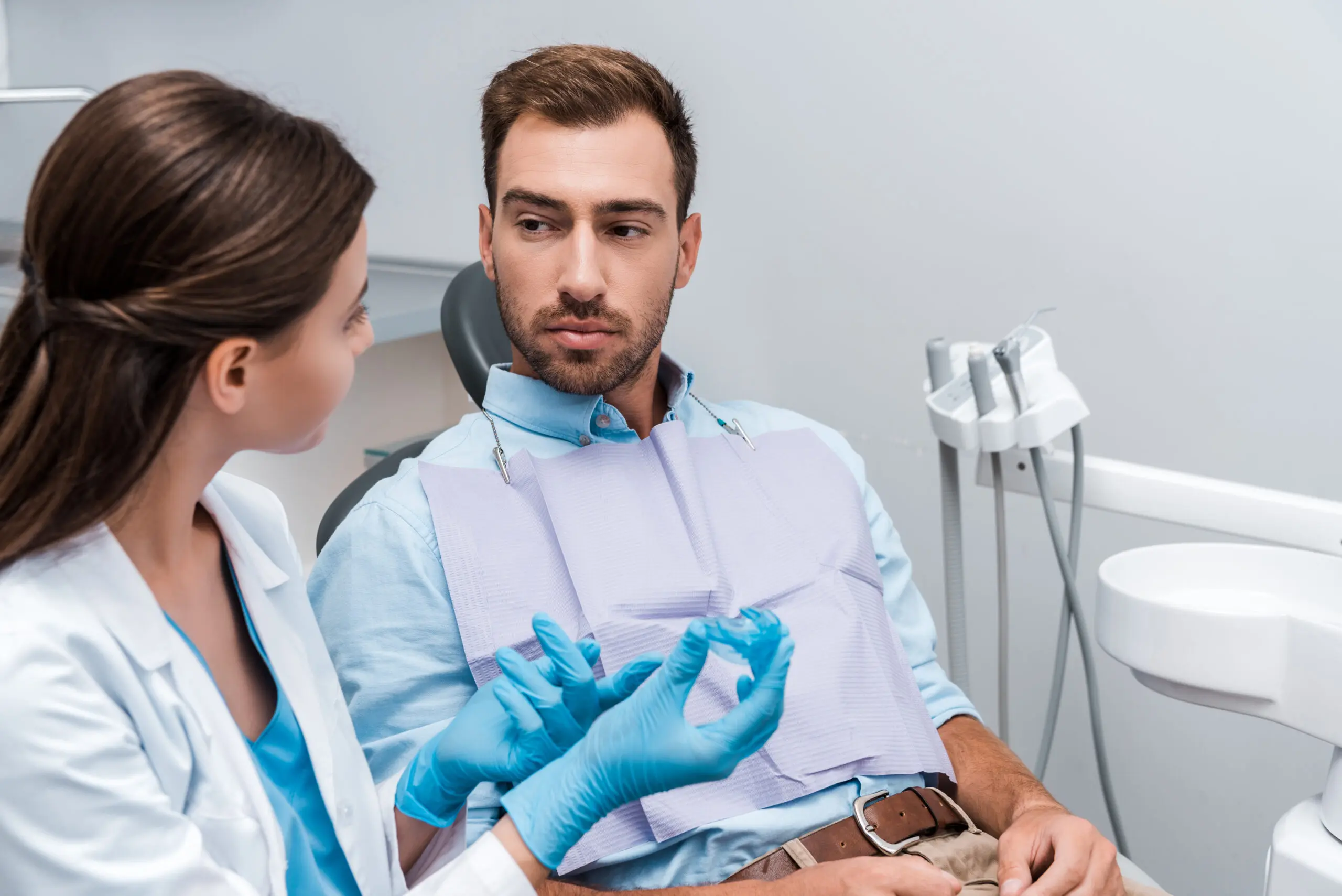
Once your orthodontist has assessed the problem, there are several possible solutions:
- Retainer adjustment: If the problem is minor, such as a small misalignment, your orthodontist may be able to adjust the retainer to restore the fit.
- Retainer replacement: If the retainer is cracked, warped, or no longer fits properly, a replacement might be needed. This is especially true if your retainer is several years old or shows signs of significant wear and tear.
How to Prevent Fit Issues in the Future
Taking care of your retainer and wearing it consistently can help prevent fit issues down the line. Here are some tips for keeping your retainer in good condition:
- Wear your retainer consistently: Always wear your retainer as prescribed by your orthodontist. This typically means wearing it full-time at first and then switching to nighttime wear after a few months.
- Store it properly: When you’re not wearing your retainer, always store it in its case. Avoid leaving it on counters, in your pockets, or exposed to heat.
- Clean it regularly: Make sure to clean your retainer every day. Use lukewarm water and a soft toothbrush to remove plaque and food particles. You may also use retainer cleaning tablets or solutions as recommended by your orthodontist. Avoid using toothpaste, as it can scratch the surface.
- Avoid eating with it in: Always remove your retainer before eating to prevent food particles from getting trapped and damaging it.
- Visit your orthodontist regularly: Regular check-ups ensure that your retainer is still fitting correctly and that your teeth are staying in place.
When to Consider Getting a New Retainer
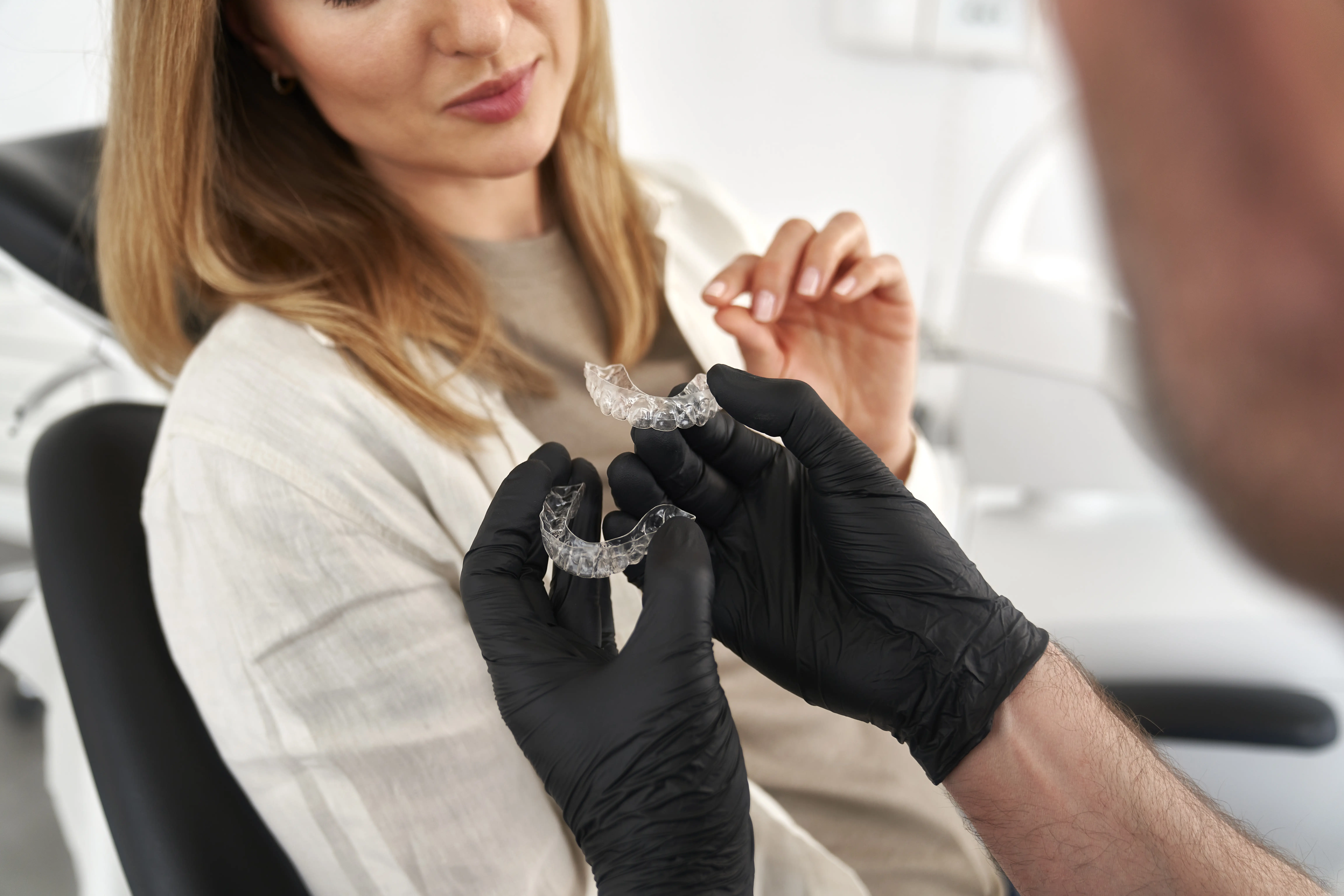
Even with proper care, there may come a time when your retainer needs to be replaced. Here are some signs it might be time to get a new one:
- Fit issues persist: If your retainer still doesn’t fit properly after adjustments, it may be time for a new one.
- Worn-out retainer: Over time, removable retainers can wear out and lose their effectiveness. If your retainer is old or shows signs of heavy use, it may not be doing its job.
Smilebliss: Your Partner in Retainer Care
At Smilebliss, we’re committed to helping you maintain your smile long after your orthodontic treatment. If your plastic retainer doesn’t fit properly, don’t worry—we’re here to assist. Whether you need an adjustment, a replacement, or have questions, our experienced team is ready to help.
Common retainer fit issues typically resolve quickly. By checking for damage, reaching out to Smilebliss, and following proper care, you can keep your smile looking great for many years to come.
If you’re facing any retainer issues or orthodontic concerns, contact us today. We’re here to help keep your smile healthy and aligned!

 It’s easy to panic when you realize your retainer doesn’t fit, but it’s important to avoid certain actions that could make the situation worse. Here’s what you should NOT do:
 Once your orthodontist has assessed the problem, there are several possible solutions:
 Even with proper care, there may come a time when your retainer needs to be replaced. Here are some signs it might be time to get a new one: