
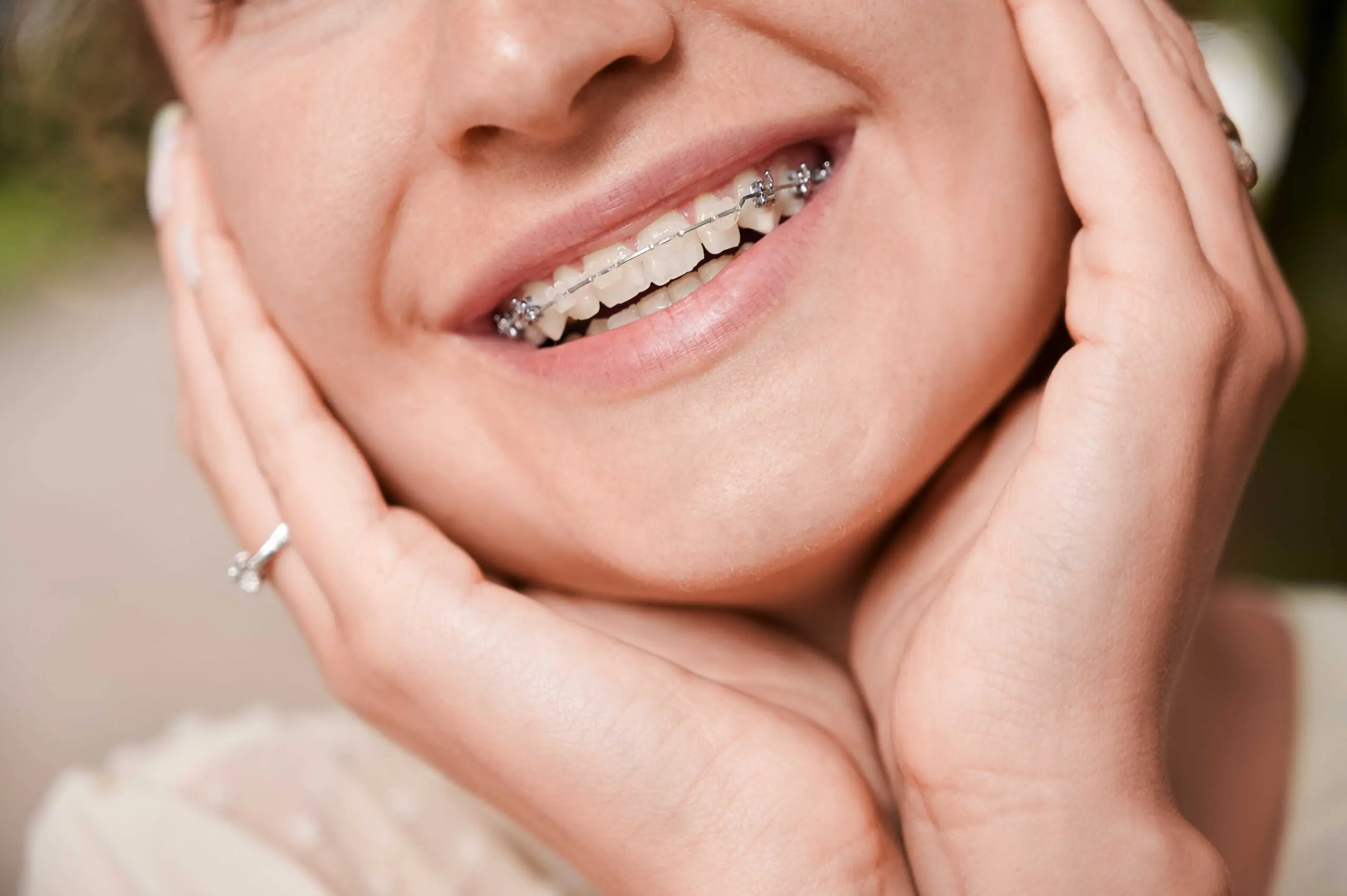
Traditional metal braces have been a trusted method for orthodontic treatment for decades. Whether you’re a teenager, an adult, or a parent looking into options for your child’s orthodontic health, understanding how metal braces work is the first step toward achieving a straighter, healthier smile.
If you’re considering braces as a treatment option, you’re in the right place to learn all the important details.
Ready to transform your smile?
Contact Smilebliss today to schedule a free consultation with our orthodontic team and get personalized advice on whether traditional metal braces are the right option for you.
Traditional metal braces are the most commonly used method of orthodontic treatment. They consist of several components, each working together to gradually move your teeth into better alignment.
Here’s what makes up the system:
Unlike newer options such as clear aligners, traditional metal braces are visible and use more mechanical force to move teeth. However, this system has been proven to be highly effective, especially in cases of more complex orthodontic issues.

Metal braces work by applying continuous, gentle pressure on your teeth over time.
1. Consultation & Planning
Your orthodontist examines your teeth, takes scans, and creates a treatment plan.
2. Braces Placement
3. Tooth Movement Begins
The wire slowly pulls teeth into better positions.
Bone reshapes as teeth move.
4. Regular Adjustments
Every 4–6 weeks:
5. Final Alignment
Small adjustments are made for perfect bite and spacing.
6. Retainer Phase
A retainer is given to keep teeth in their new position.
Traditional metal braces remain a smart choice for patients who want reliable results and strong control over tooth movement.
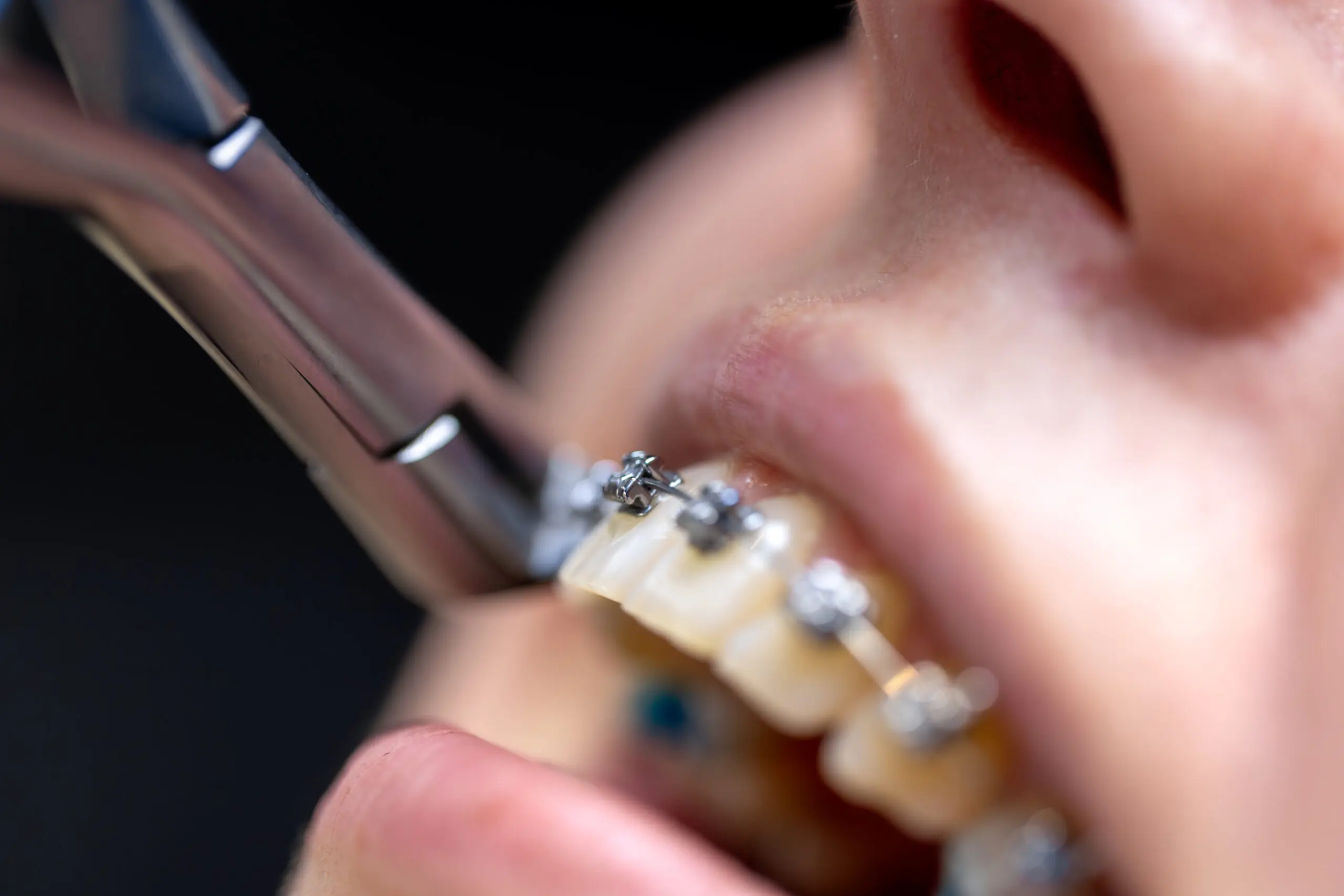 Brackets and archwires give precise, constant force, making metal braces effective for simple to complex cases like crowding, spacing, and bite problems—across all ages.
In many markets, metal braces are often priced lower than clear aligners, offering the same clinical result at a more budget-friendly total cost. Final fees vary by case complexity and treatment duration.
Steel components handle everyday wear better than removable trays and are less likely to crack or go missing. This helps active patients (sports, play) stay on track.
Decades of use and consistent outcomes make metal braces a dependable path to long-term alignment when paired with proper retainer wear.
| Feature | Traditional Metal Braces | Clear Aligners |
|---|---|---|
| Visibility | Most visible | Nearly invisible |
| Best for | Simple to very complex cases, bite changes | Mild to moderate crowding or spacing, relapse cases |
| Clinical control | Highest precision and constant force | Good for planned movements if worn as directed |
| Patient effort | Fixed. No wear-time decisions | Removable. Must wear 20 to 22 hours per day |
| Durability | Very strong, low break risk | Trays can crack or warp and can be lost |
| Comfort | Small brackets may rub at first; wax helps | Smooth edges, easy to start |
| Eating | Avoid sticky or hard items | Remove to eat and drink anything but water |
| Hygiene | Extra time to brush and floss | Brush and floss normally after removing trays |
| Appointments | Every 4 to 8 weeks | Every 6 to 10 weeks or remote check-ins |
| Cost range | $$ (often lowest total) | $$–$$ |
One of the key components of any orthodontic treatment is understanding how long it will take and what the aftercare will look like.
For traditional metal braces:
Traditional metal braces remain a reliable path to real results. They correct simple and complex issues, work for patients of all ages, and often come at a friendlier price than other options. If you want clear answers and a plan that fits your life, our orthodontic team at Smilebliss will walk you through what to expect, timelines, and costs, then map the treatment to your goals.
Book your consultation today. We will review your case, explain the steps, and help you choose with confidence. Call or request an appointment online to start your move toward a healthier bite and a smile you feel good about.
