
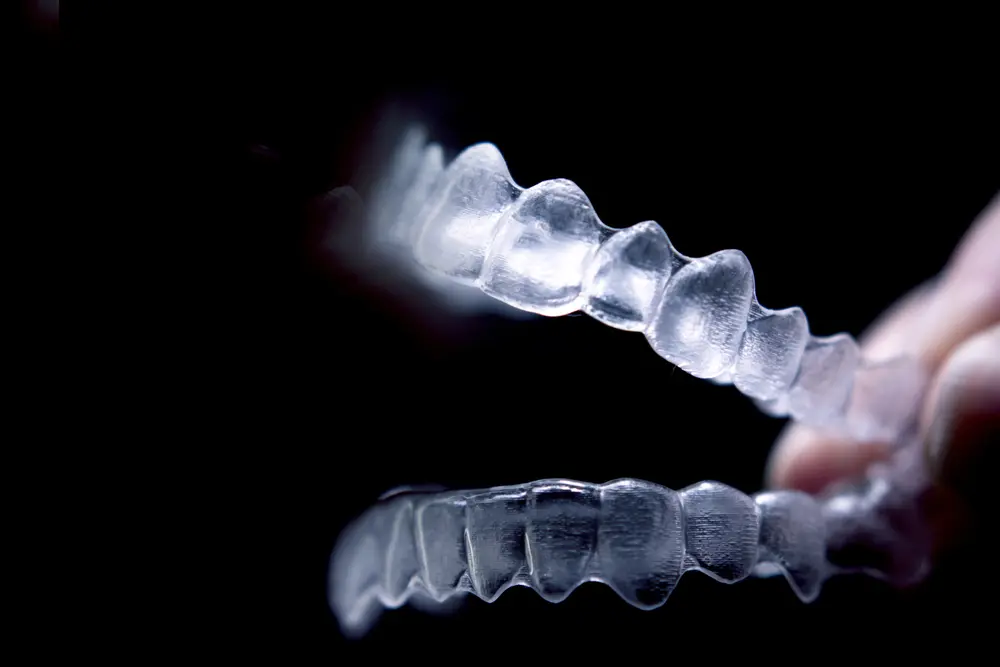
Your retainer is your smile’s best friend—learn how to take care of it properly with this comprehensive storage guide.
Congratulations on completing your orthodontic treatment! Now that you have your beautiful new smile, your retainer becomes the guardian of your investment.
Whether you’re a new retainer user, a teenager navigating life with orthodontic appliances, or a parent helping your child maintain their results, understanding proper retainer storage is crucial for long-term success.
Before diving into the specific dos and don’ts, it’s important to understand why retainer storage is so important. Your retainer is more than just a piece of plastic or wire—it’s a precision-crafted appliance designed to maintain the exact positioning of your teeth.
Improper storage can lead to:
The good news? Most retainer damage is completely preventable with proper storage habits.
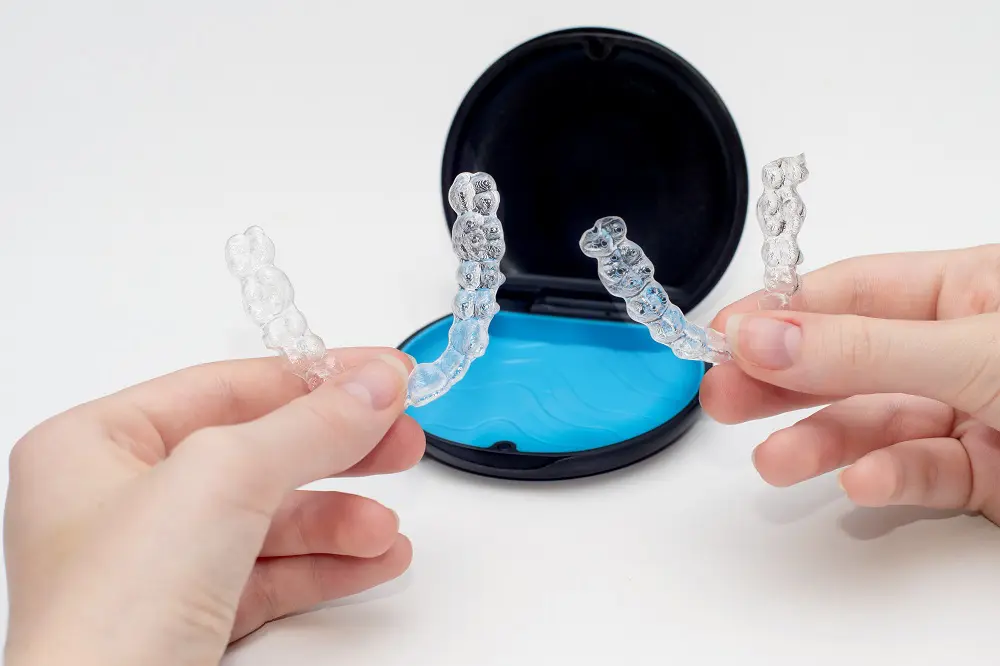 The number one rule in retainer storage is simple: if your retainer isn’t in your mouth, it should be in its case. This protective case is specifically designed to shield your retainer from damage while providing proper ventilation to prevent bacterial growth. Think of your retainer case as a miniature safe for one of your most valuable possessions.
Your retainer case keeps your appliance clean and safe from contamination, making it easy to locate when you need it. The case also protects against accidental damage from pets, siblings, or household activities.
For teenagers, especially, keeping your retainer case in the same spot every day creates a routine that prevents loss. Whether it’s on your nightstand, bathroom counter, or in your backpack, consistency is key to successful retainer management.
Never store a dirty retainer. Cleaning the appliance before putting it away is very important for both your health and the health of your teeth. Start by rinsing your retainer with cool water to remove saliva and food debris. Then, gently brush it with a soft toothbrush, avoiding toothpaste, which can be abrasive and damage the material.
If your orthodontist has recommended retainer cleaning tablets, use them according to the instructions. These specialized cleaners eliminate bacteria and freshen your retainer more effectively than water alone.
Always make sure your retainer is completely clean before putting it in the case. This keeps bacteria from growing and keeps your retainer fresh for the next time you use it. This simple step takes less than two minutes but can save you from unpleasant odors and potential oral health issues.
Temperature and humidity control are essential factors in retainer storage that many people overlook. Your retainer should be stored at room temperature, ideally between 65-72°F, away from direct sunlight and heat sources. Heat can warp the material, changing the fit permanently and potentially requiring complete replacement.
Choose well-ventilated areas for storage. Avoid humid spaces like bathrooms with poor ventilation. While it might seem convenient to store your retainer in the bathroom, consider the moisture levels, especially after hot showers.
The bedroom nightstand or a dedicated spot in your room often provides the ideal environment. Parents should help younger children identify the best storage spots in their bedroom and bathroom, considering factors like accessibility and environmental conditions.
Smart retainer users keep backup cases:
This redundancy prevents the dreaded “wrapped in a napkin” scenario that leads to lost retainers.
After cleaning, allow your retainer to air dry for a few minutes before closing the case.
This prevents moisture buildup that can lead to:
Inspect your retainer case weekly for:
Replace damaged cases immediately to ensure continued protection.
 This single mistake is responsible for more lost retainers than any other storage error.
When you wrap your retainer in tissues or napkins, you’re essentially creating camouflaged trash that looks identical to discarded waste. Restaurant staff, family members, and even you might accidentally throw it away without realizing what’s inside.
Beyond the obvious risk of loss, tissues and napkins provide no protection against damage and can actually stick to your retainer’s surface. They don’t prevent contamination from bacteria or debris, and they’re easily misplaced even when not thrown away.
The convenience of grabbing a napkin at lunch might seem appealing, but it’s a habit that leads to costly consequences. For teenagers, especially, that napkin you wrapped your retainer in at lunch has probably already been cleared away with the rest of the table’s trash.
Vehicle interiors can reach extreme temperatures that spell disaster for retainers. During summer months, car interiors can exceed 150°F, even when outside temperatures are moderate. This intense heat can warp, melt, or completely distort your retainer in a matter of minutes, not hours.
The damage from heat exposure is usually permanent and irreversible. A warped retainer won’t fit properly, making it ineffective at maintaining your teeth’s position and potentially uncomfortable or even painful to wear. Even brief exposure to high temperatures can cause subtle changes that affect the fit.
Winter storage in vehicles can also be problematic, as extreme cold can make the material brittle and prone to cracking. The safest approach is to always bring your retainer case inside with you, treating it like any other valuable item that shouldn’t be left in temperature extremes.
Loose storage in pockets or bags leads to:
Hot water can:
Always use cool or lukewarm water for cleaning.
Storing a wet retainer creates the perfect environment for:
An improperly closed case offers no protection:
 Teenagers face unique challenges with retainer storage as they navigate increased independence while still developing responsible habits. School environments present particular storage challenges, requiring strategic planning and backup systems.
Keeping a retainer case in your locker provides security, while carrying one in your backpack ensures you’re always prepared for unexpected situations.
Sports activities require special consideration, as retainers should never be left in gym bags where they can be damaged by equipment or forgotten. Athletes need quick, reliable storage solutions that work with their active lifestyle.
Social events and dating situations can feel awkward when you’re new to retainer management, but confidence comes from having established good habits that become second nature.
Teenagers need to make systems that work with their lives, not against them. This might mean using brightly colored cases that are easy to spot, setting phone reminders for retainer care, or establishing routines that connect retainer storage with other daily activities they already do consistently.
Young adults who are starting their careers need retainer storage options that keep their look while also making sure they are taken care of. The workplace presents unique challenges, from business lunches to client meetings where discretion is important.
Professional-looking retainer cases can blend seamlessly with office environments, while compact travel cases are essential for frequent business travelers.
Social dining situations require particular finesse, especially when entertaining clients or attending networking events. Having an elegant storage solution and knowing how to excuse yourself politely for retainer care demonstrates maturity and preparation.
Active lifestyles among young adults require durable cases that can endure gym sessions, outdoor activities, and hectic schedules.
The goal is to develop storage habits that support both professional success and oral health. This often means investing in higher-quality cases, maintaining backup systems, and integrating retainer care into existing routines rather than treating it as a separate obligation.
Parents are very important when it comes to setting up storage routines:
Understanding the financial impact of poor retainer storage can motivate better habits:
At Smilebliss, we’ve seen countless retainer emergencies that could have been prevented with proper storage habits. That’s why we developed our Retainer Promise Program – to give our patients peace of mind even when accidents happen.
Today’s retainer storage options go beyond basic plastic cases:
Proper retainer storage is also about environmental responsibility:
Sometimes, perfect storage isn’t possible.
Here’s what to do:
The key to successful retainer storage is making it automatic:
At Smilebliss, we’re committed to helping our patients succeed with their retainer care.
Our team provides:
Proper retainer storage isn’t just about following rules—it’s about protecting your investment in your smile. By following this retainer storage do’s and don’ts guide, you’re making sure that your beautiful results last a lifetime.
Remember, developing good storage habits takes time, but the effort is worth it. Your future self will thank you for taking care of your retainer today.
Contact Smilebliss today to learn more about our comprehensive retainer support services and discover how our Retainer Promise Program can provide peace of mind for up to 5 years after your treatment completion. Your perfect smile deserves the best care possible.
