
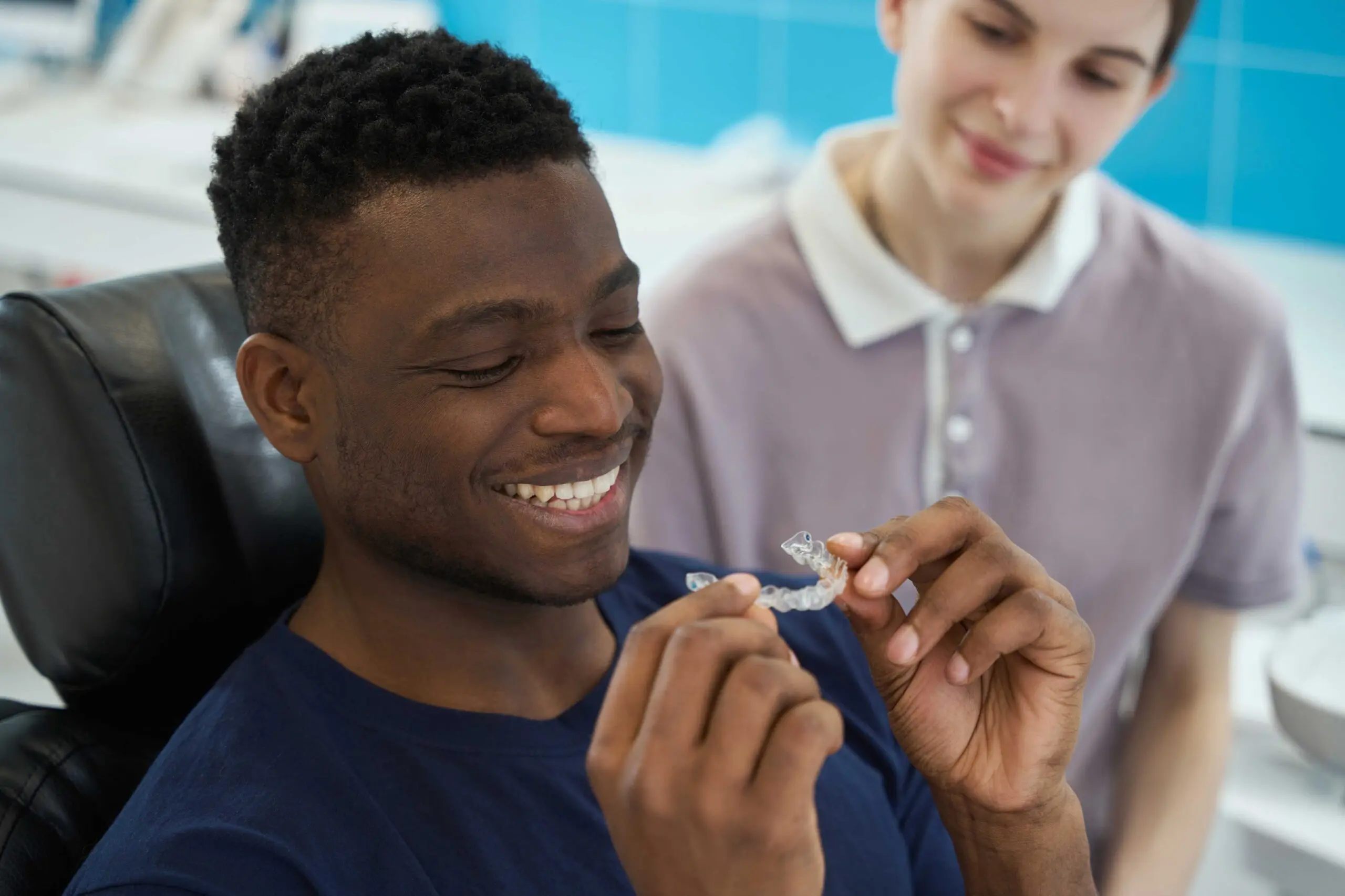
Getting your new retainer marks an exciting milestone in your smile journey. The first few weeks require some patience as your mouth gets used to this new addition. The good news? With the right approach, you’ll be comfortable and confident in no time.
Your retainer is your smile’s best friend, working quietly to keep your teeth in their perfect new positions. Understanding how to adjust comfortably and care for your retainer properly means you’ll enjoy the benefits of your beautiful smile for years to come.
At Smilebliss, we understand that retainer success goes beyond just the adjustment period. That’s why our Retainer Promise Program provides two full sets of replacement retainers over five years, ensuring you’re never without protection for your smile investment.
Ready to begin your orthodontic journey or need professional guidance with retainer adjustment?
Contact us today to schedule your personalized consultation with our experienced orthodontists and discover custom retention solutions designed for your unique smile.
Your mouth is incredibly adaptable, but it needs time to get used to your new retainer. During the first few days, you might notice your teeth feel slightly tender, your mouth produces more saliva than usual, and speaking feels a bit different. These changes are completely normal and show that your retainer is doing its job.
Most people find that the biggest adjustments happen in the first 24-48 hours. Your teeth might feel a gentle pressure—this is actually a good sign that your retainer is keeping them in their correct positions. Think of it as a gentle reminder system for your teeth.
The adjustment period typically lasts about a week for most people. Clear retainers often feel comfortable initially, but can cause some tooth sensitivity as they work to keep your teeth in place.
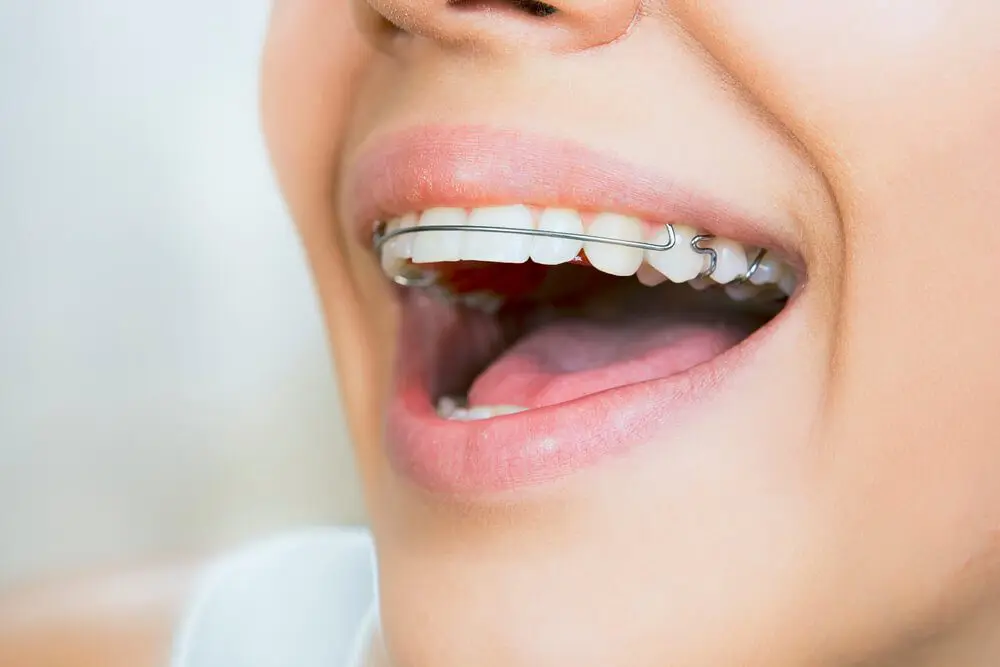 If your orthodontist gives you flexibility with your wearing schedule, try starting with shorter periods on the first day. Begin with a few hours, then gradually increase the time as your mouth adjusts. This gentle approach helps your mouth tissues adapt without feeling overwhelmed.
Keep track of how you’re feeling each day. Many people notice significant improvement by day three or four, which can be encouraging when you’re in the thick of the adjustment period.
Over-the-counter pain relievers can be your friend during the first few days. Ibuprofen works particularly well because it reduces both pain and swelling in your gums. Acetaminophen is another good option if you can’t take ibuprofen. Always follow the package directions and check with your pharmacist if you have questions.
Cold therapy provides natural relief without medication. Try sucking on ice chips, drinking cold water, or eating a popsicle. The cold helps numb any soreness and reduces swelling. Just avoid anything extremely cold if your teeth are sensitive.
Salt water rinses can be surprisingly soothing. Mix half a teaspoon of salt in a cup of warm water and gently swish it around your mouth. This natural remedy helps reduce inflammation and keeps your mouth clean while it adjusts.
Sometimes your retainer might create small sore spots on your gums or cheeks. A tiny bit of orthodontic wax over the problematic area can provide immediate relief. If sore spots persist beyond the first week, contact your orthodontist for a simple adjustment.
Never try to bend or modify your retainer yourself. What seems like a small tweak can actually affect how well it works and might even damage your teeth.
Talking with a new retainer can feel awkward at first. You might notice a slight lisp or have trouble with certain sounds, especially “s” and “th” sounds. Your tongue needs time to learn how to move around your retainer, but this happens faster than you might expect.
The best way to adjust your speech is simply to talk more. Read aloud for 10-15 minutes each day, focusing on speaking clearly and slowly. Children’s books work great because they often have lots of repetitive sounds that help your tongue practice.
Try tongue twisters that focus on the sounds giving you trouble. “She sells seashells by the seashore” is a classic for working on “s” sounds. Don’t worry if it sounds funny at first—you’re training your mouth muscles.
Recording yourself speaking can help you track your progress. Most people notice their speech sounds almost normal within a week, with complete clarity returning by week two or three.
Focus on where your tongue naturally wants to go when making sounds. With practice, your tongue learns to work around the retainer while still creating clear speech. Some people find it helpful to practice in front of a mirror so they can see how their tongue moves.
If speech issues persist beyond three weeks, mention this to your orthodontist. Sometimes a minor adjustment can make a big difference in comfort and clarity.
A clean retainer is a comfortable retainer. Good hygiene also keeps your mouth healthy and prevents any unpleasant tastes or odors.
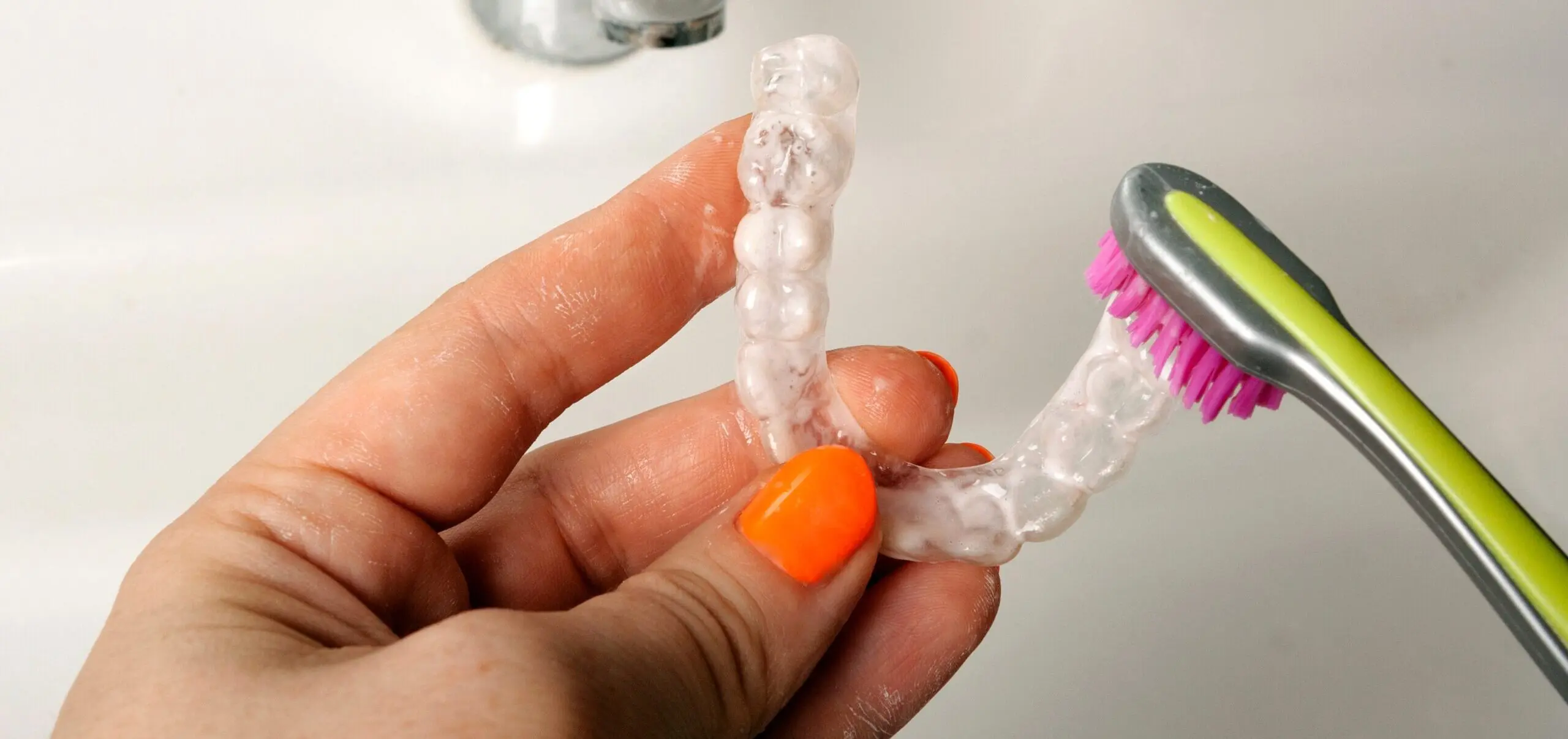 Clean your retainer every time you brush your teeth. Use a soft toothbrush with lukewarm water and a drop of clear dish soap. Avoid toothpaste, which can be too abrasive and scratch the plastic material.
Rinse your retainer immediately after removal to prevent buildup from saliva and bacteria. This simple step keeps your retainer fresh and clean throughout the day.
Once or twice a week, give your retainer a deeper clean. Denture cleaning tablets work wonderfully—just dissolve one in a cup of water and soak your retainer according to the package directions.
You can also use a solution of equal parts water and hydrogen peroxide for a natural cleaning boost. Soak for 15-20 minutes, then rinse thoroughly with water.
Some people invest in a small ultrasonic cleaner, which uses gentle vibrations to remove buildup from tiny crevices in the plastic. While not necessary, these can be particularly helpful for thorough cleaning.
Always put your retainer in its case when you’re not wearing it. Wrapping it in a napkin or tissue is a recipe for accidentally throwing it away, and retainer replacements can be expensive.
Keep your case clean and dry. A dirty case can recontaminate a clean retainer. Rinse it with soap and water regularly and let it air dry.
Remove your retainer before eating anything except plain water. Food can damage your retainer and create hygiene problems that affect your oral health.
Plan your meals around your retainer schedule. If you need to wear it 22 hours a day, that gives you two hours for all your meals and snacks. Many people find it helpful to eat larger meals to make the most of their retainer-free time.
Stick to plain water while wearing your retainer. Other drinks can stain clear retainers or create an environment where bacteria thrive.
If you must drink something else, use a straw to minimize contact with your retainer, then rinse your mouth with water before putting the retainer back in.
Coffee and tea are particularly problematic for clear retainers because they can cause permanent staining. Energy drinks and sodas are acidic and can damage both your retainer and your teeth.
 Extra saliva production is your mouth’s natural response to something new. This typically normalizes within a few days as your mouth gets used to the retainer.
Stay hydrated and swallow frequently. Some people find that sugar-free gum or mints (when not wearing the retainer) help regulate saliva production.
Accidents happen—retainers can crack, warp from heat exposure, or occasionally get lost. The key is acting quickly to prevent your teeth from shifting back to their original positions.
With Smilebliss’s Retainer Promise Program, you don’t need to panic about lost or damaged retainers. The program includes quick access to replacements without needing new fittings or emergency appointments, plus you’ll have backup sets ready when you need them.
If you don’t have a replacement program, contact your orthodontist immediately if your retainer is damaged or lost. Even a few days without wearing your retainer can allow slight tooth movement that makes your retainer feel tight when you get it back.
If you’re wearing your retainer at night, it might affect your sleep initially. This usually resolves within a few nights as you get accustomed to the feeling.
Some people find it helpful to put their retainer in an hour before bedtime so they’re already adjusted by the time they lie down.
Smart patients plan ahead for retainer replacement and potential issues. Clear retainers typically need replacement every 1-3 years, depending on wear patterns and care habits.
Our Retainer Promise Program simplifies the process of replacement planning. With flexible payment options and two full sets of replacements over five years, you can focus on maintaining your beautiful smile without worrying about surprise costs or scheduling delays when you need a new retainer.
Consistency is key to retainer success. Link putting in your retainer to activities you already do regularly, like brushing your teeth or getting ready for bed.
Set phone reminders if needed, especially in the beginning. Many people find that creating a visual reminder system helps until the habit becomes automatic.
Remember why you got orthodontic treatment in the first place. Your retainer is protecting that investment and keeping your smile beautiful.
Take progress photos to remind yourself of how far you’ve come. Seeing your beautiful, straight smile can provide motivation during challenging adjustment periods.
Don’t hesitate to contact Smilebliss with questions or concerns. We want you to be comfortable and successful with your retainer.
Attend all scheduled check-up appointments. These visits allow your orthodontist to monitor your progress, assess retainer condition, and make adjustments if needed.
Keep track of any issues or questions between appointments so you can discuss them thoroughly during your visit.
Adjusting to your new retainer is a temporary challenge that leads to a lifetime of confident smiles. The first week might require some patience, but remember that millions of people successfully make this transition every year.
Your retainer represents the final step in your orthodontic journey—the phase that makes all your previous efforts worthwhile. By following these comfort strategies and maintaining good care habits, you’re setting yourself up for long-term success.
Stay in communication with your orthodontic team, be consistent with your retainer care, and remember that any temporary discomfort is a small price to pay for maintaining your beautiful, straight smile for life.
Experience the confidence that comes with a perfectly maintained smile. Visit Smilebliss today to explore our comprehensive retention programs and discover why thousands of patients trust our expert orthodontic team for lifelong smile care and support.
How long does the uncomfortable feeling last?
Most people feel significantly better within 3-5 days, with complete comfort usually achieved within a week to ten days. If you’re still experiencing significant discomfort after two weeks, contact your orthodontist.
Is it normal for my retainer to feel tight sometimes?
Yes, especially if you’ve skipped wearing it for a period of time. Teeth naturally want to shift, so a retainer might feel snug after time away. However, severe tightness should be evaluated by your orthodontist.
Can I speed up getting used to my retainer?
Following your orthodontist’s instructions, practicing good oral hygiene, and being consistent with wearing your retainer will help you adjust as quickly as possible. Trying to rush the process often backfires.
What’s the difference between normal adjustment and a real problem?
Normal adjustment includes mild pressure, temporary speech changes, and increased saliva. Problems include severe pain, persistent sore spots that don’t improve, or difficulty speaking after a full week.
Should I keep wearing my retainer if it hurts?
Mild discomfort is normal and can be managed with over-the-counter pain relievers. Sharp pain or severe discomfort requires professional evaluation. When in doubt, call your orthodontist.
What if I lose or break my retainer?
Don’t panic, but act quickly. Contact your orthodontist as soon as possible.
