
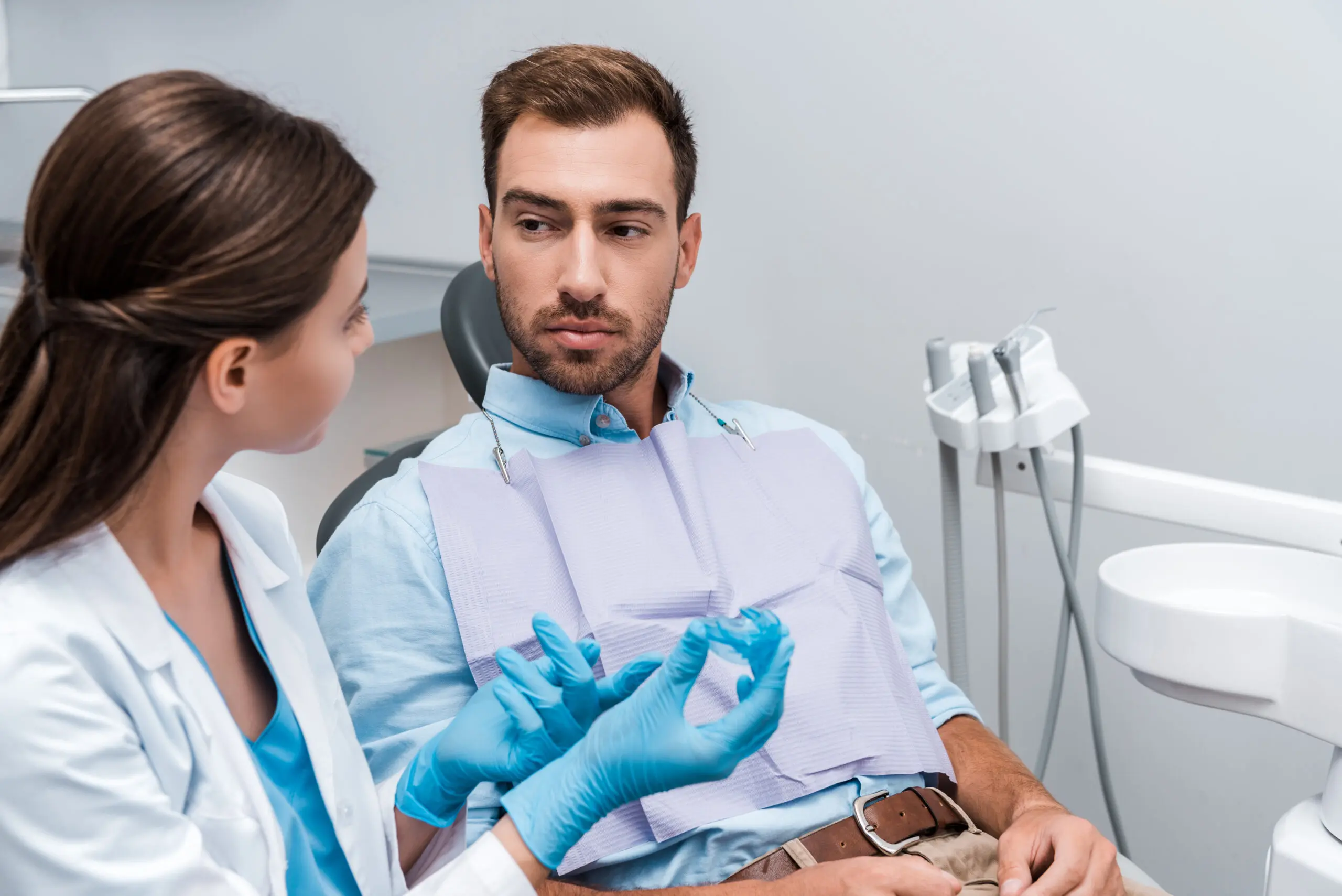
Overbite and underbite are common bite issues that can affect not only the appearance of your smile but also how well your teeth function. An overbite typically involves the upper front teeth overlapping the lower front teeth, which can impact both appearance and function.
After orthodontic treatment, using a retainer helps maintain the new position of your teeth. Whether you’re dealing with an overbite or underbite, retainers can make a big difference in keeping your teeth aligned and your smile looking its best.
At Smilebliss, we’re here to guide you through the next steps. With our Retainer Promise Program, you can have peace of mind knowing that if your retainer ever gets damaged or no longer fits, we’ll provide you with up to two replacement retainers over five years—helping you stay on track with your treatment.
Let’s explore how retainers help with correcting overbite and underbite and why they’re so important for maintaining your smile.
When it comes to bite problems, overbite and underbite are the most common.
Here’s a closer look at what they are:
Both of these bite issues can cause problems with how your teeth and jaw function. They may also lead to long-term orthodontic issues if left untreated, making it essential to correct them as soon as possible.
Retainers are important for maintaining the results of your orthodontic treatment and helping with minor bite corrections like an overbite or underbite. They are an important part of the process to correct bite issues and ensure the long-term stability of your teeth and jaw alignment.
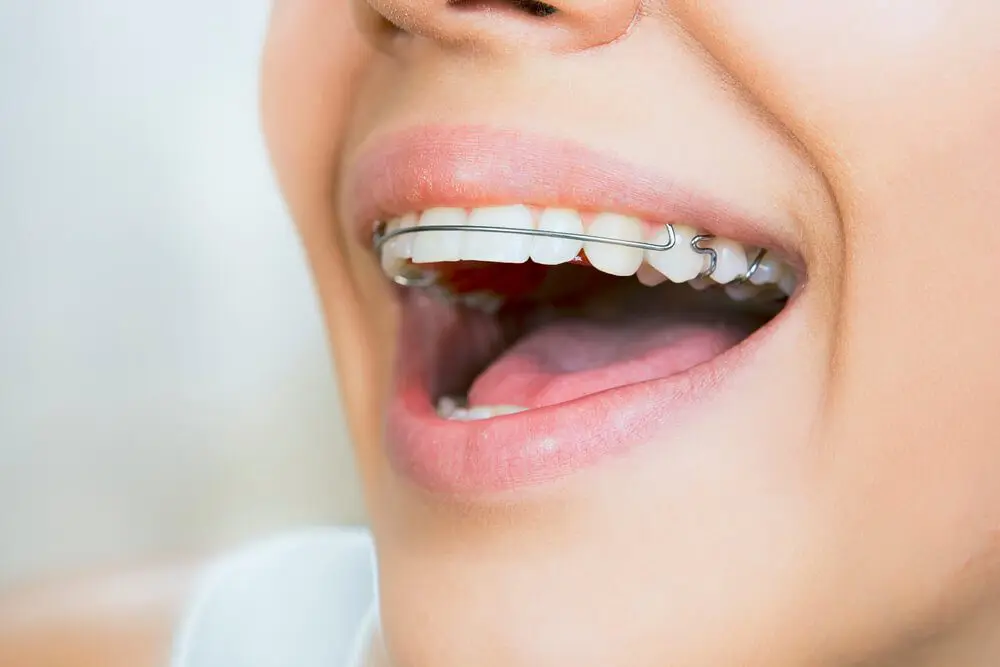 After your braces or aligners have done the hard work of shifting your teeth, a retainer helps hold everything in place, ensuring your teeth remain in their correct position following orthodontic treatment.
It provides consistent, gentle pressure on the teeth to prevent them from shifting back to their original positions. This is especially important for keeping your bite in alignment.
While retainers are primarily for maintaining the alignment, they can help with mild overbites or underbites.
If your bite issues are more severe, further treatment may be needed before a retainer is used to stabilize the results. Once more extensive treatment has achieved corrected bite alignment, retainers are used to maintain this new alignment and prevent relapse.
When it comes to wearing your retainer, being consistent is very important. But how long will you need to wear it to keep your bite corrected?
Wearing retainers as instructed is essential for maintaining the results of your orthodontic treatment, preserving teeth alignment, and preventing relapse.
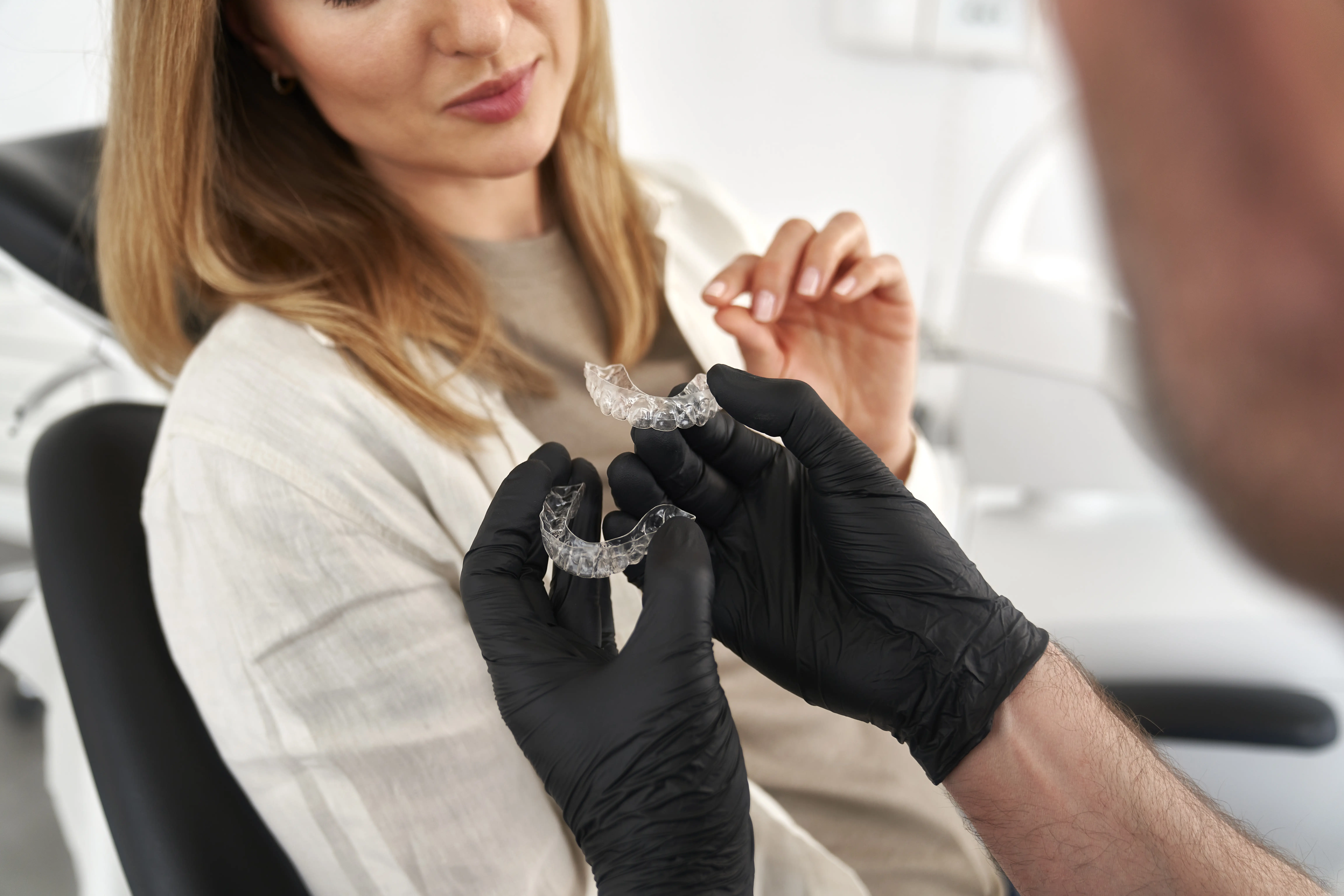
The most common type of retainer used to maintain bite correction is a clear plastic retainer. These are custom-made to fit snugly over your teeth and work effectively for both bite correction and long-term maintenance.
Removable retainers and clear aligners are also popular options for maintaining bite correction, offering flexibility and discretion. Clear aligners, in particular, are custom-made, removable, and nearly invisible, making them an effective alternative or complement to braces for mild to moderate alignment issues.
Even though retainers are an easy way to maintain your bite correction, there can be a few bumps along the way:
To keep your teeth and bite in their corrected position, it’s essential to continue wearing your retainer as instructed.
Here are some tips to help you maintain your results:
If you ever have any issues, such as a cracked retainer or one that no longer fits, don’t worry! Our Retainer Promise Program provides up to two replacement retainers over five years, making it easier for you to stay on track without added stress.
Correcting an overbite or underbite is an important step toward a healthier, more confident smile. Retainers are essential for maintaining a healthy smile, a beautiful smile, and a straight smile after orthodontic treatment. They help preserve the alignment of your teeth and prevent relapse.
If you’re experiencing any bite issues or need guidance on your retainer journey, don’t hesitate to reach out to us. Smilebliss is here to help you every step of the way and make sure your smile stays in tip-top shape!
