
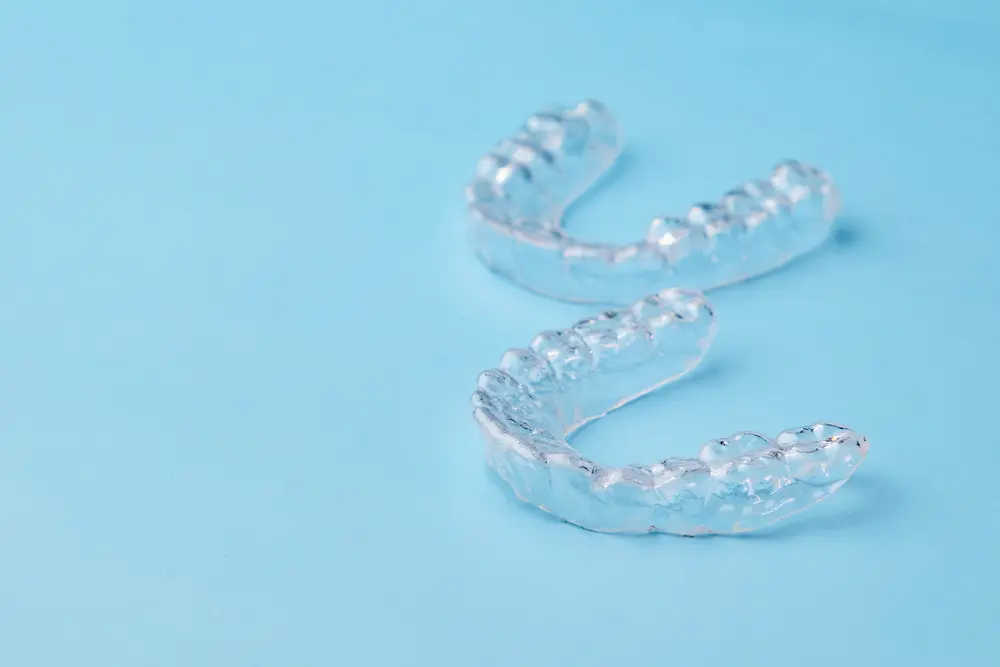
Clear aligners are removable orthodontic devices made from medical-grade plastic that apply predictable tooth movement over time. Unlike traditional metal braces, which rely on metal brackets and wires, clear aligners offer a more flexible and virtually invisible way to straighten teeth.
Each aligner is part of a treatment plan designed to move a patient’s teeth gradually into their ideal tooth positioning. Aligners are typically worn 20–22 hours per day and replaced every few weeks, depending on the treatment progress.
Clear aligners have become a cornerstone of modern orthodontic care, evolving from a cosmetic option into a widely accepted solution for addressing various orthodontic concerns.
Today, many orthodontic offices offer their own versions of clear aligner technology, using advanced tools and personalized treatment plans to meet each patient’s unique needs.
The rise of clear aligner treatment is supported by strong data:
These numbers show that clear aligners are not just effective—they’re redefining patient care across the orthodontic industry.
Patients today want orthodontic solutions that are practical, discreet, and easy to manage. Clear aligners align perfectly with those preferences.
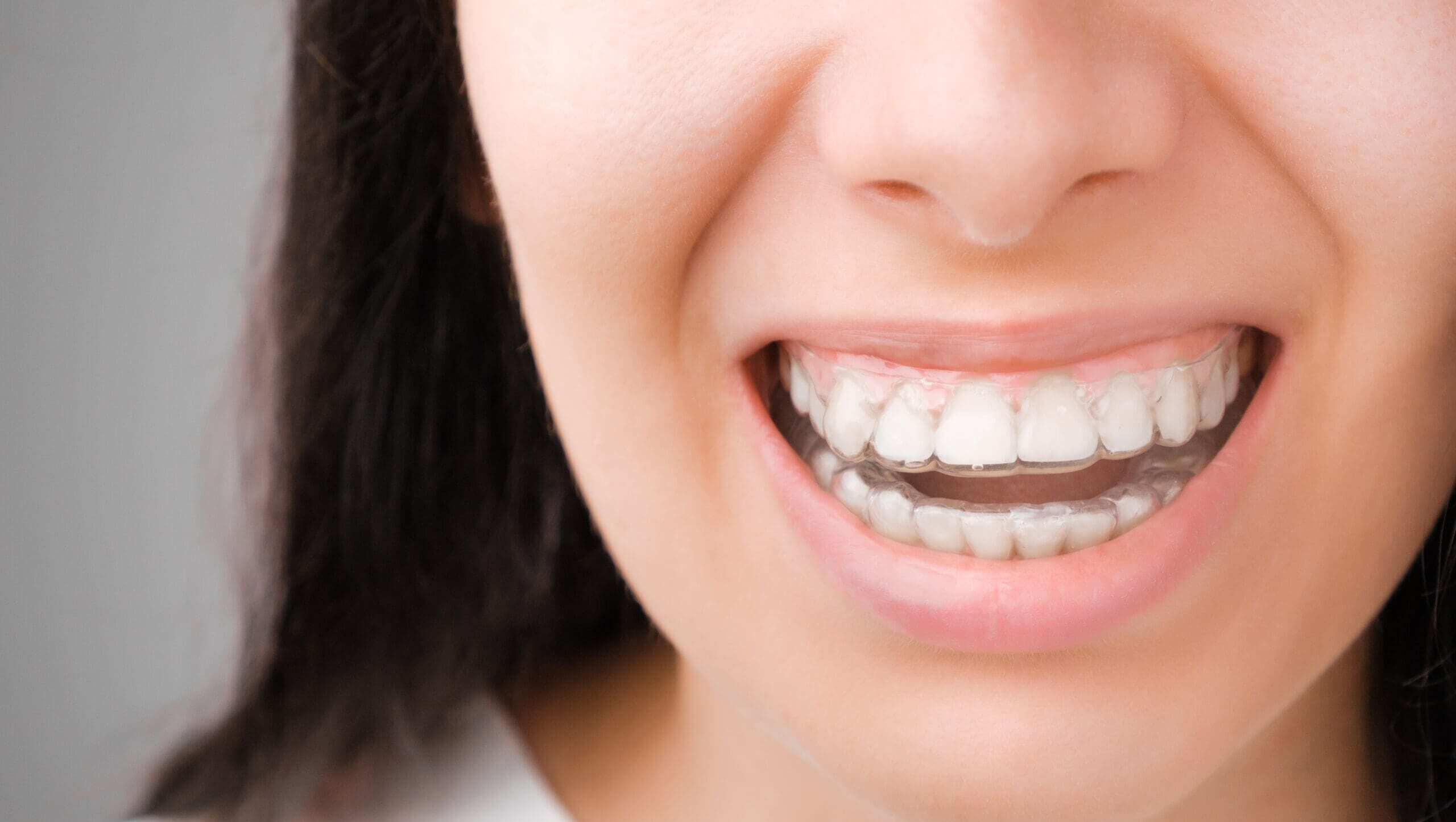 Clear aligners are virtually invisible, making them ideal for adult patients and teens who are self-conscious about metal braces. This has elevated the patient experience, helping people feel confident throughout their orthodontic journey.
Because they are removable aligners, clear aligners allow users to eat freely and maintain oral hygiene more easily than those with conventional braces. This reduces the risk of dental decay, plaque buildup, and gum disease during the treatment process.
Patients typically visit their orthodontic office every 6–8 weeks, fewer than those with traditional braces, whose systems require frequent tightening and adjustments. This makes clear aligner treatment more manageable for busy individuals and families.
The rise of digital technology in orthodontics has been one of the most influential factors in the growth of clear aligners.
Thanks to advanced dental technology, providers can take digital impressions and map the entire treatment process using AI-powered tools. This ensures more accurate tooth movement and better-fitting aligners.
Some orthodontic practices now use apps or digital portals for virtual check-ins. Patients upload progress photos, helping providers monitor treatment progress without requiring as many in-person visits.
From imaging to aligner fabrication, digital tools have streamlined the entire orthodontic treatment process. This reduces treatment duration and allows for more precise patient outcomes.
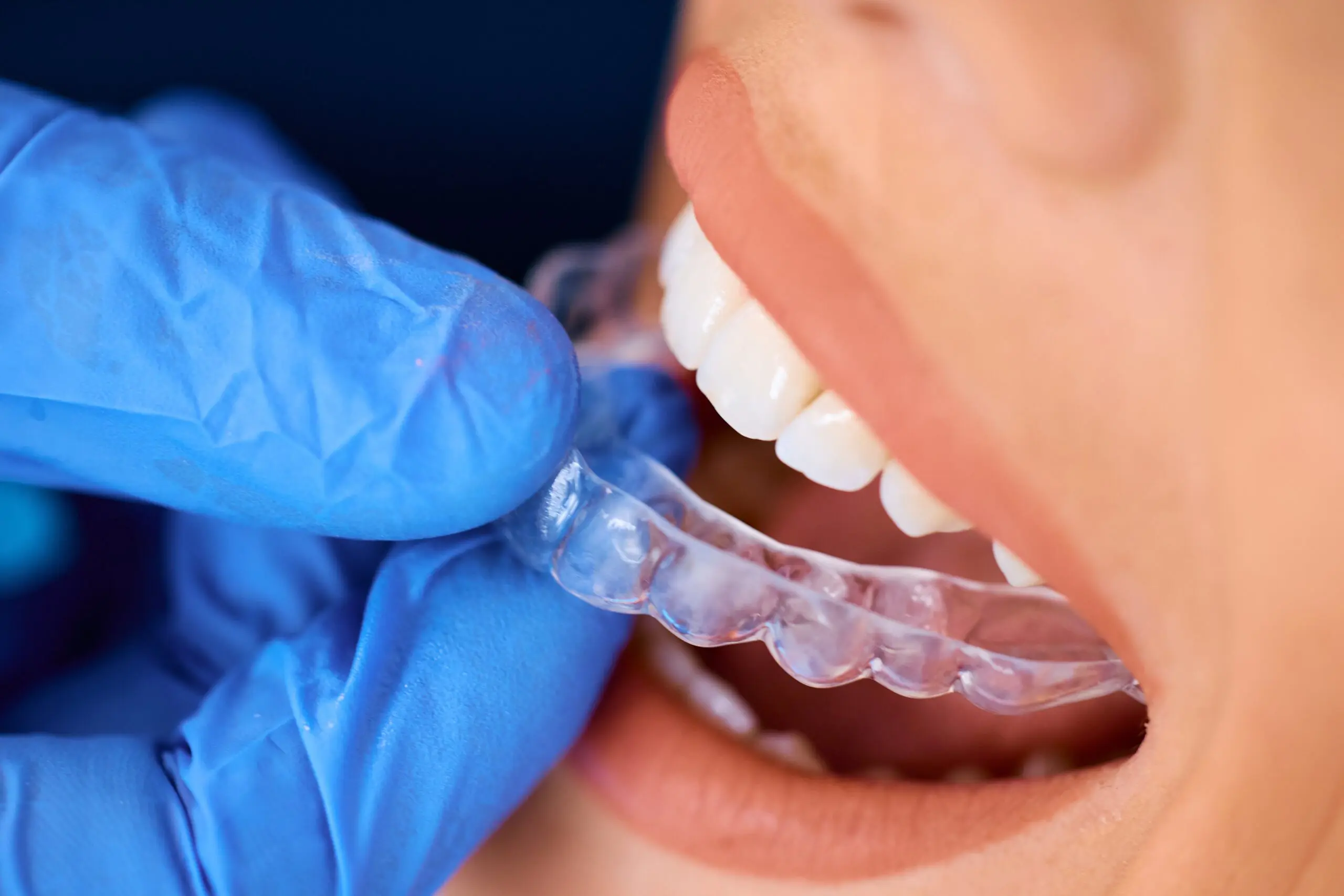
Originally reserved for mild orthodontic concerns, modern clear aligner technology now handles a wider range of dental alignment issues:
In some cases, providers may combine clear aligners with other orthodontic appliances to enhance results in more complex treatment plans.
The introduction of clear aligners has empowered a broader range of orthodontic professionals to offer treatment, increasing access in areas that may not have had specialty providers.
By working with aligner labs and leveraging orthodontic technology, local orthodontic care providers can now deliver high-quality orthodontic treatment for mild to moderate cases, meeting demand without sacrificing clinical effectiveness.
This model improves access to care and gives patients more options than ever before.
Clear aligners contribute to better oral hygiene by making it easier to brush and floss. Unlike orthodontic appliances like metal braces, which trap food and plaque, removable aligners support ongoing oral health maintenance.
Reduced contact with wires and brackets also minimizes soft tissue irritation, helping patients avoid inflammation and complications commonly associated with traditional orthodontic devices.
Once viewed as a premium option, clear aligner therapy is now more affordable for everyday patients.
At Smilebliss, clear aligners start at $3,998, with flexible plans available from $123/month.
Thanks to financial tools, more patients now see clear aligners as a realistic alternative to traditional braces.
Clear aligners are more than a trend—they represent a leap forward in orthodontic innovation. From increasing access to care to improving comfort, aesthetics, and treatment effectiveness, clear aligner therapy is redefining what it means to receive orthodontic care in today’s world.
Patients now have the opportunity to achieve a confident, functional new smile without disrupting their lifestyle, and providers can meet that demand with precision, efficiency, and compassion.
Interested in clear aligners? Contact Smilebliss or book a free consultation online to explore your personalized options.
