
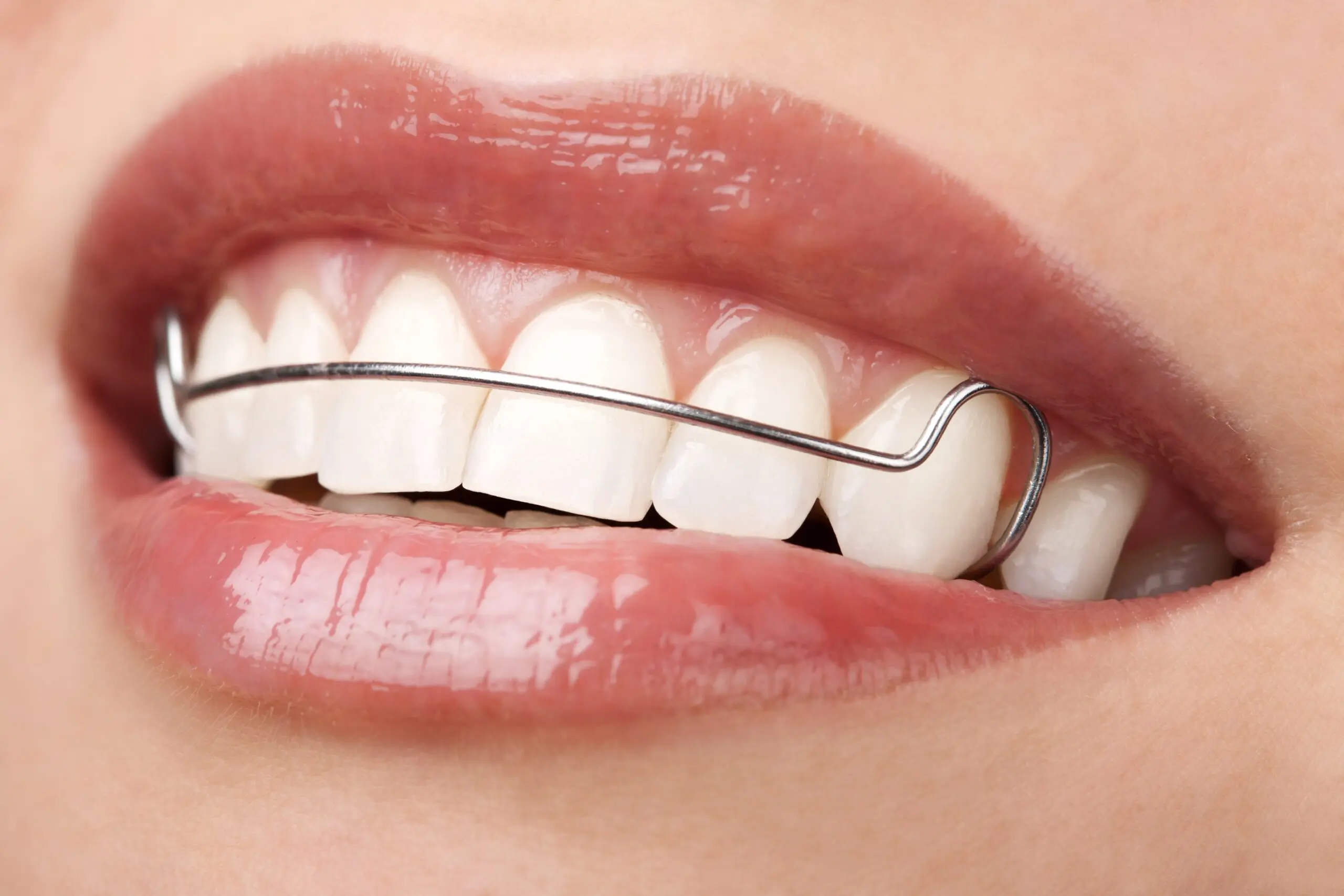
Retainers are essential in orthodontic care because they keep straightened teeth in place even after active treatment has ended. While often considered a modern concept, retainers have a rich and fascinating history that mirrors the evolution of orthodontics itself.
From early wire devices to today’s digitally designed appliances, retainers have come a long way. Understanding their development gives context to their continued importance in maintaining smile results and overall alignment.
Contact us today to learn more about retainer options at Smilebliss.
Before orthodontics became a formalized practice, ancient civilizations were already attempting to manipulate tooth position. Archaeological evidence from Egyptian mummies shows metal bands around teeth—rudimentary attempts at alignment and possibly retention.
In ancient Greece and Rome, physicians like Hippocrates and Celsus documented practices aimed at straightening crooked teeth using finger pressure or heated wires. While these early interventions were primitive, they laid the groundwork for future orthodontic appliances.
Still, the concept of “retention”—holding teeth in place after movement—had not yet been defined.
 The 18th and 19th centuries saw major strides in orthodontic theory and technique. In 1728, French dentist Pierre Fauchard published The Surgeon Dentist, which included a description of the “Bandeau”—a horseshoe-shaped appliance designed to expand the dental arch.
By the mid-1800s, the field began to formalize. Dr. Edward H. Angle, considered the father of modern orthodontics, introduced classification systems and standardized techniques. His work paved the way for more controlled tooth movement and, eventually, the recognition of the need for post-treatment retention.
Retainers emerged as a solution to a persistent problem in orthodontics: relapse. Once braces or early appliances moved the teeth, they tended to shift back to their original positions without some form of stabilization.
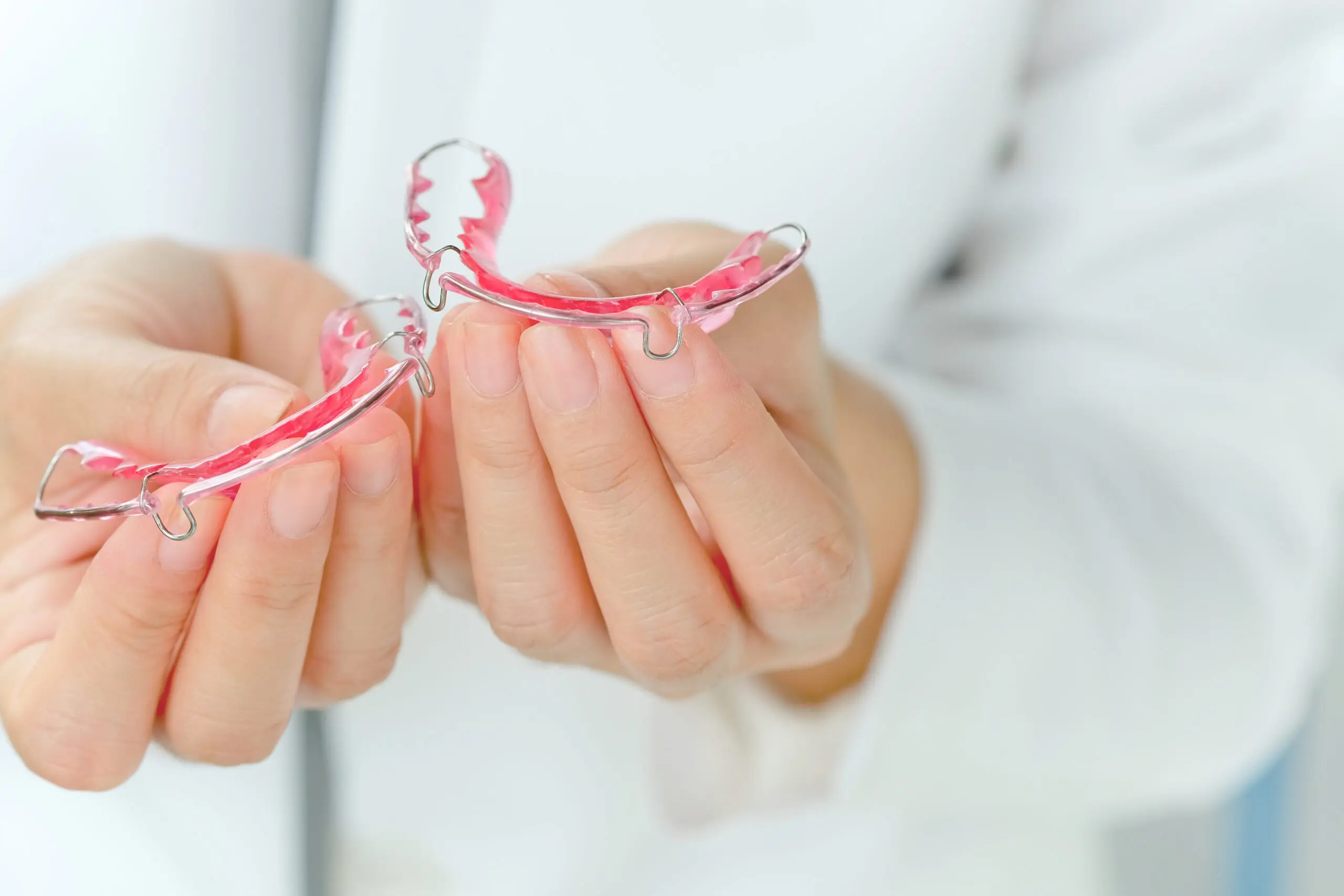
The first retainers were simple devices—often handmade wire appliances designed by the orthodontist on a case-by-case basis. These early retainers were usually custom-bent and shaped to follow the arch and hold teeth in position.
The term “retainer” entered widespread use in the early 20th century as retention became recognized as a formal phase of orthodontic treatment.
One of the earliest types of retainers, wire retainers feature a metal wire that crosses the front of the teeth, with an acrylic plate that rests comfortably on the roof of the mouth or behind the lower teeth. These retainers became popular due to their adjustability and durability, making them a long-standing choice for orthodontists.
Even today, they remain a widely used option due to their effectiveness in maintaining teeth alignment.
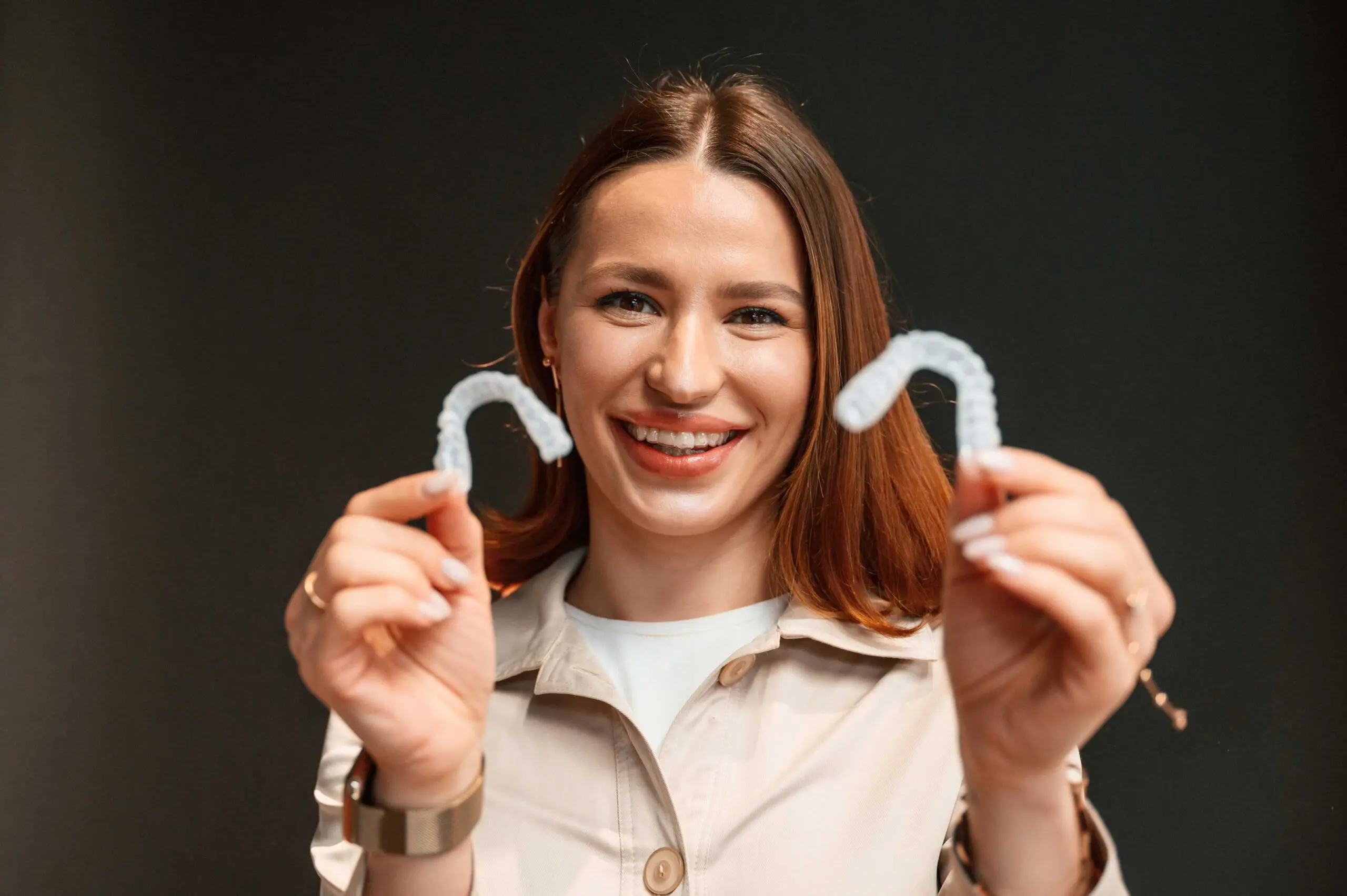
As clear aligner therapy became more popular, the development of clear plastic retainers emerged as a discreet post-treatment solution. These transparent retainers are molded to fit snugly over the teeth, providing an almost invisible option for patients who prefer a low-profile approach to retention.
Clear plastic retainers marked a shift towards aesthetic solutions, where appearance became just as important as function in orthodontic care.
Bonded retainers, often placed on the back of the teeth, provide continuous support without requiring patient compliance for removal. These retainers are permanently affixed to the teeth, typically the lower front teeth, and are ideal for patients with a higher risk of relapse.
This option became more common in the late 20th century as a way to offer long-term stabilization after orthodontic treatment.
Modern orthodontic technology has revolutionized retainer creation:
These innovations have increased the effectiveness and accessibility of orthodontic retention, helping more patients maintain their straight teeth for life.
Retention is now considered a critical, non-optional phase of any orthodontic treatment plan. Most orthodontists recommend long-term or even lifetime wear of retainers, especially at night.
At Smilebliss, we focus on providing removable retainers that offer flexibility and ease of care for our patients.
Even with all the advances in aligners and bracket systems, one thing hasn’t changed: your teeth can still shift.
Why does this happens:
Retainers prevent relapse, preserve alignment, and support long-term oral function and aesthetics. Without them, even the best orthodontic treatment results can fade over time.
Historically, patients were given basic instructions—“wear it and keep it clean.” Today, we have more precise protocols:
Then:
Now:
At Smilebliss, patient education is a priority. You’re given the tools and instructions you need to care for your retainer and your smile.
Smilebliss knows that your orthodontic journey doesn’t end when the brackets come off.
That’s why we offer:
We’re here to make sure your smile lasts a lifetime—with comfort, convenience, and confidence.
Contact Smilebliss today to learn more about retainer options and how we can help keep your smile exactly where it belongs—beautifully straight.
