
Posted on February 24, 2026
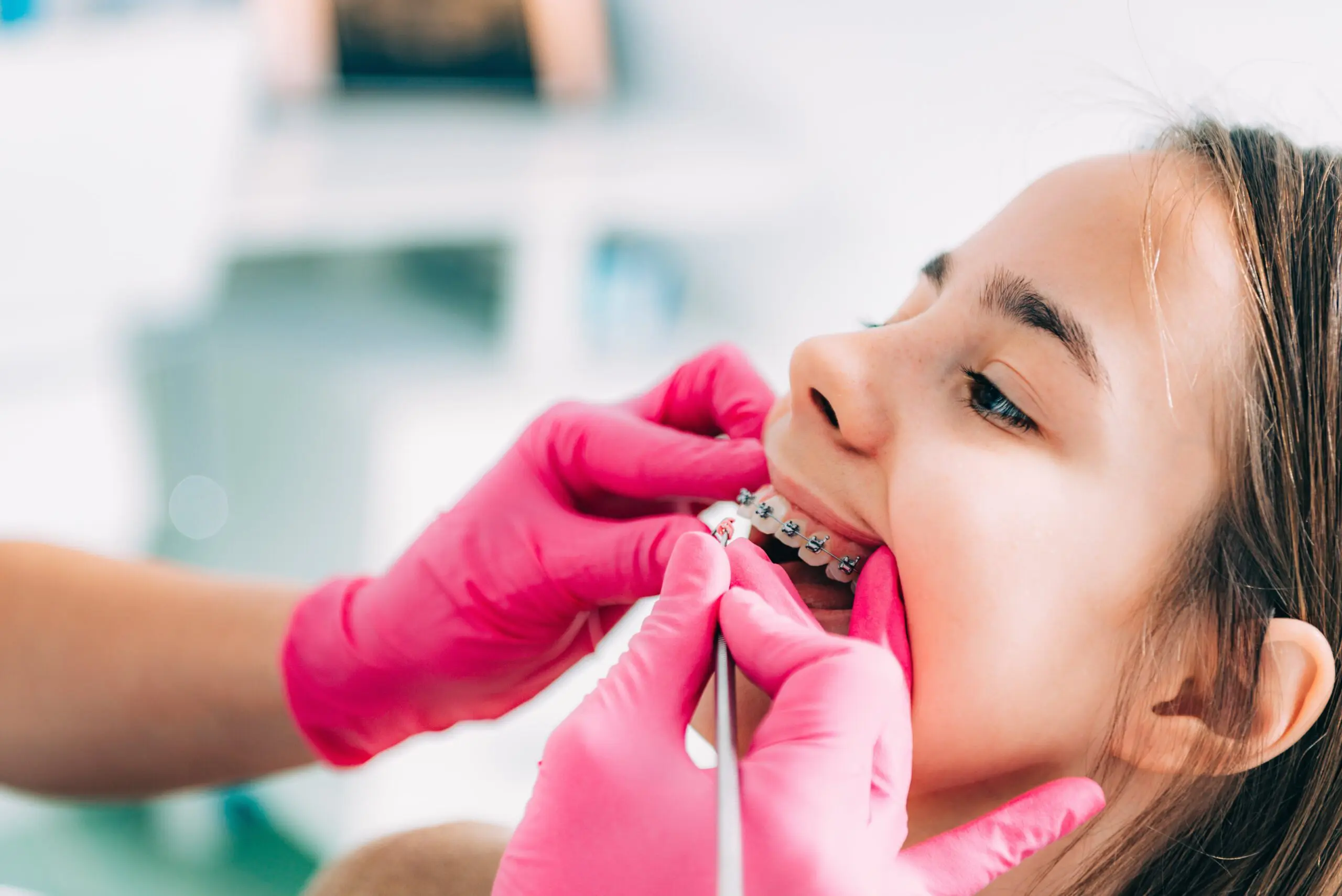
Starting orthodontic treatment often brings questions about comfort, adjustments, and long-term outcomes. At Smilebliss Orthodontics, patients in Sanger receive traditional braces treatment that is planned and adjusted based on how their teeth and bite respond over time.
Traditional braces are effective because they allow orthodontists to guide tooth movement in a controlled and adaptable way.
If you are considering braces or want to understand how treatment is personalized, call us or visit Smilebliss in Sanger to schedule a consultation and talk through your options with our orthodontic team.
Traditional braces move teeth by applying steady pressure that encourages gradual changes in the surrounding bone. This biological process varies from person to person. Tooth shape, spacing, jaw alignment, bone response, and sensitivity all influence how teeth react to applied force.
Customization allows orthodontists to manage these differences carefully. By adjusting how and where pressure is applied, treatment can progress in a controlled manner that supports comfort while guiding teeth toward proper alignment. Without customization, a uniform force could increase discomfort or slow movement in certain areas.
Personalized treatment begins before braces are placed. The initial evaluation provides information that shapes how braces are applied and adjusted throughout care for patients in Sanger.
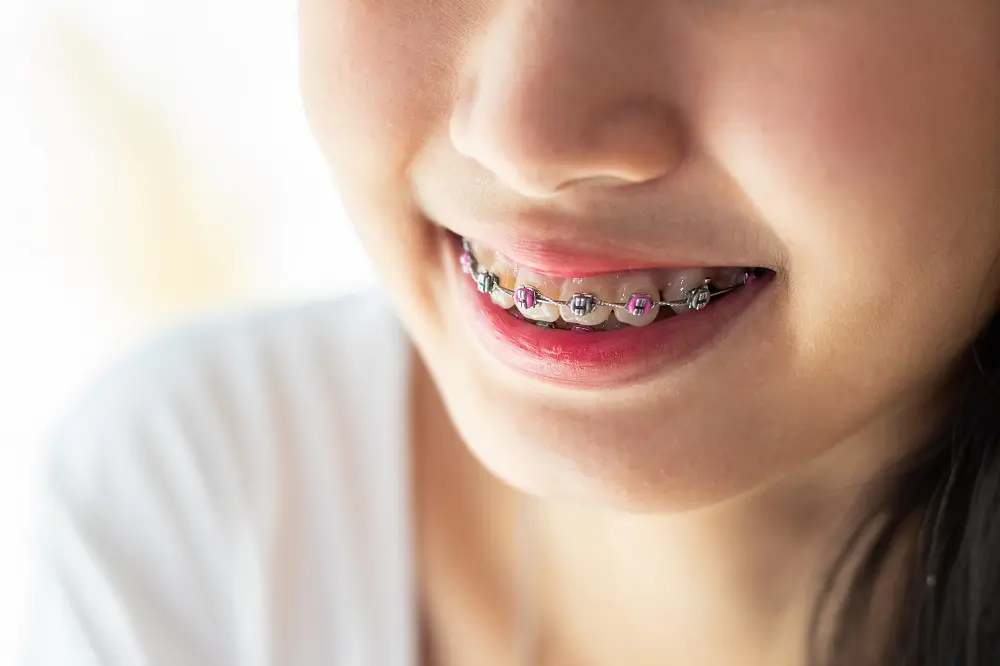 Bite relationships influence how orthodontists approach treatment from the beginning. Overbites, underbites, and crossbites affect how pressure should be directed across the teeth. Identifying these relationships early helps guide movement that improves function while reducing uneven stress.
A patient’s health history helps orthodontists anticipate how teeth may respond to movement. Previous orthodontic care, extractions, restorations, or sensitivity reports provide useful context. These factors influence pacing, pressure levels, and areas that may require closer observation during treatment.
Imaging and measurements support accurate planning. X-rays, digital scans, and physical exams reveal tooth position, root alignment, spacing, and jaw structure. This information guides bracket placement and wire selection so movement occurs gradually and predictably.
Orthodontists explain what sensations are typical during the early stages of treatment. Mild soreness or pressure often occurs as teeth begin to move. Setting realistic expectations helps patients understand what is normal and when to reach out with concerns.
Daily routines also influence early planning. School schedules, work commitments, and lifestyle habits affect appointment timing and adjustment intervals. Customization allows treatment to fit into everyday life while maintaining consistent progress.
Brackets are not placed in identical positions for every patient. Each tooth has a unique shape and orientation. Small differences in placement influence how force is distributed and how teeth move.
Orthodontists position brackets carefully to guide teeth efficiently while managing pressure. Proper placement helps avoid unnecessary movement and supports steady alignment over time.
Wires guide tooth movement by delivering controlled force. Early treatment often begins with lighter wires that allow teeth to adjust gradually. As alignment improves, wires are changed to support more precise movements.
Adjustments are based on how teeth respond rather than a fixed schedule alone. Some teeth move more quickly, while others require additional time. Monitoring these responses allows orthodontists to adjust force levels while maintaining comfort.
Comfort management continues throughout active treatment for patients receiving braces in Sanger. Orthodontists assess how patients respond to adjustments and make changes when needed.
 If discomfort lasts longer than expected, orthodontists reassess pressure levels. This may involve modifying wire tension or changing how force is distributed. These decisions are based on clinical observation and patient feedback.
Patient feedback provides insight into how treatment feels between visits. Reports of soreness, tightness, or irritation help orthodontists identify areas that may need refinement. Open communication supports timely adjustments.
Temporary soreness or pressure after adjustments is common and typically resolves within a few days. Orthodontists explain which sensations are expected and which may require evaluation. This guidance helps patients respond appropriately.
Minor changes often improve comfort. Smoothing areas that cause irritation or making small positional adjustments can reduce soreness without interrupting progress.
Patients receive guidance on caring for their braces, managing soreness, and monitoring changes at home. This support helps address concerns early and supports consistent progress.
Effective orthodontic treatment focuses on how teeth function together. Bite alignment affects chewing, speech, and jaw comfort. Orthodontists adjust braces gradually to guide the bite into a balanced position.
As treatment progresses, patients often notice changes in how their bite feels. These changes reflect functional improvement rather than appearance alone.
Teeth do not move at the same rate for every patient. Some respond quickly, while others require more time. Orthodontists assess progress at each visit and adjust treatment as needed.
This adaptive approach allows care to respond to real-time changes. Adjustments help maintain alignment goals while avoiding excessive force.
Age influences how treatment is customized. Younger patients often experience faster tooth movement, while adults may require a more gradual pace. Sensitivity levels and bone response also vary.
Orthodontists adjust treatment pacing and monitoring based on these differences. This supports comfort and predictable outcomes across age groups.
As treatment advances, adjustments focus on refining alignment and bite contact. Small changes improve spacing, rotation, and overall balance. This stage supports stability after braces are removed.
Regular monitoring helps determine when treatment goals are met and when further refinement is needed.
Customization continues after braces are removed. Retainers are selected based on how teeth have moved and the likelihood of shifting. Follow-up care supports long-term alignment.
Clear guidance on retainer use helps maintain results and reduce the risk of relapse.
Patients in Sanger receive care that is guided by ongoing evaluation rather than a fixed approach. Personalized adjustments allow treatment to respond to real changes as progress unfolds.
Understanding how traditional braces are customized helps patients approach treatment with confidence. At Smilebliss Orthodontics, care is guided by careful planning and ongoing assessment.
If you are considering braces in Sanger or want to learn more about personalized orthodontic care, contact us today to schedule a consultation and discuss your treatment goals with our team.
