
Posted on October 10, 2025
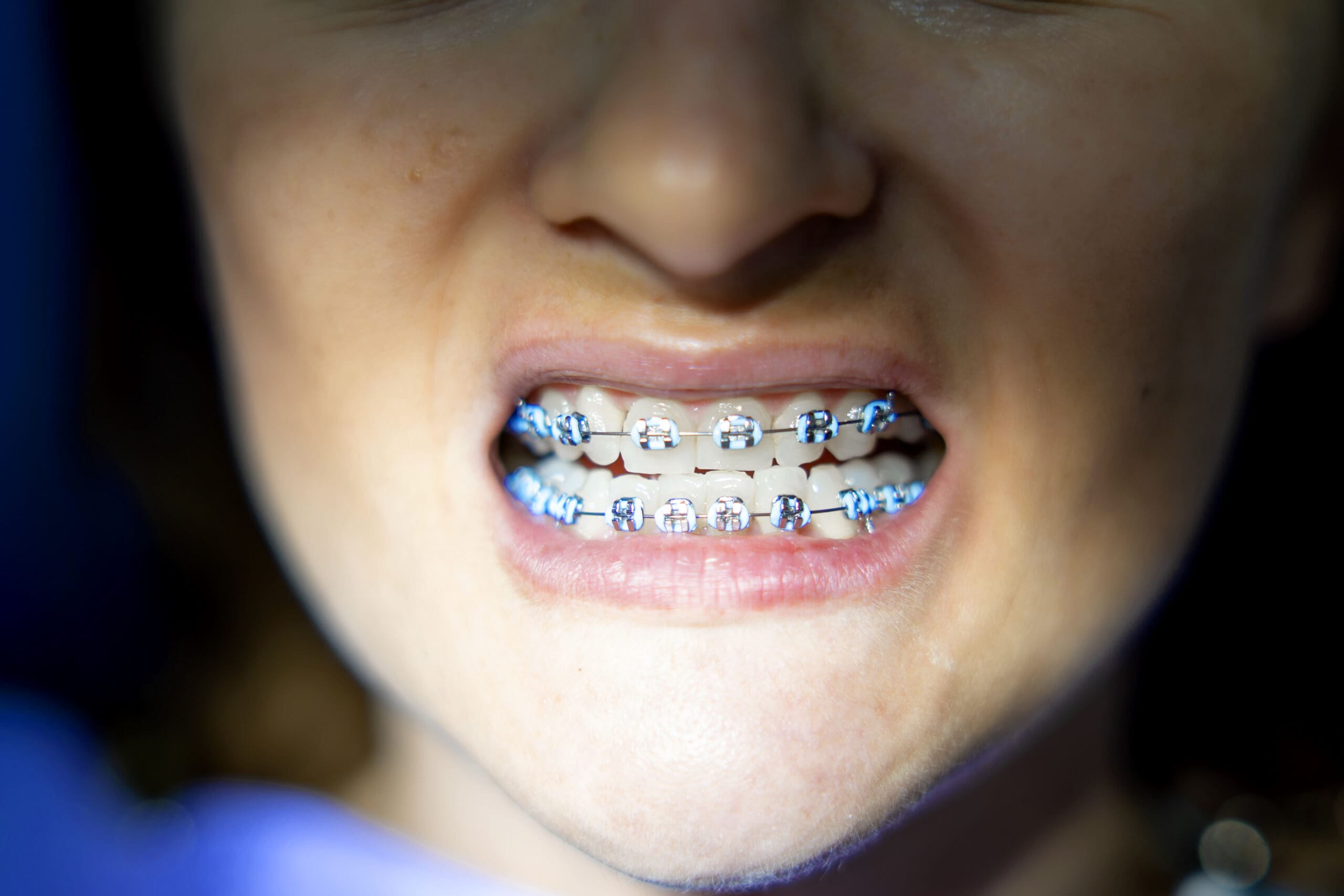
Metal braces are a great way to straighten your teeth, but they can come with some discomfort. Fortunately, there are simple ways to manage this discomfort at home to keep your treatment moving forward smoothly.
Cold compresses can reduce swelling, and over-the-counter pain relievers can provide additional comfort. Additionally, maintaining good oral hygiene can prevent further discomfort and complications.
At Smilebliss Orthodontics, we offer professional services to help make your treatment as comfortable as possible. If you need personalized assistance or are experiencing persistent discomfort, don’t hesitate to contact us today!
Metal braces can cause soreness for two main reasons: the pressure they exert on your teeth and the friction between the brackets and wires against your lips, tongue, and cheeks.
When your braces are first applied, they begin to push your teeth into alignment. This pressure stimulates the periodontal ligament around the teeth, which causes temporary soreness. This discomfort is common, and according to studies, it typically lasts from 1 to 3 days. This pain is a sign that your braces are working to move your teeth.
After each adjustment, your braces may be tightened, or new wires may be inserted, which can cause renewed pressure. Most patients experience mild to moderate tenderness for about 1 to 3 days after an adjustment. The discomfort is a necessary part of the treatment, as it helps your teeth continue to shift into their proper positions.
The brackets and wires in your braces can irritate the soft tissues in your mouth, such as the inside of your lips, cheeks, and tongue. This irritation is common, especially in the early stages of treatment or after an adjustment.
Over time, the tissues will toughen up, but in the meantime, you can use orthodontic wax or saltwater rinses to reduce irritation. Soft tissues typically adapt within 1–2 weeks, and any small sores that develop usually heal within 3–7 days.
Managing discomfort from your braces can be simple with a few at-home remedies. Use these techniques to keep your treatment on track while easing the pain.
 Warm saltwater rinses are a great way to reduce gum inflammation and soothe minor sores in your mouth. Mix ¼ to ½ teaspoon of salt into 250 ml (8 ounces) of warm water and rinse your mouth regularly, especially after meals. This method supports oral hygiene while providing gentle relief from discomfort.
Apply a cold compress to the outside of your jaw or cheek to numb the pain and reduce swelling. You can wrap an ice pack in a cloth and hold it against the sore area for 10‑15 minutes at a time. For relief inside your mouth, cold water, ice chips, or icy soft foods can help soothe tender areas. This method is especially helpful after adjustments.
Orthodontic wax can help prevent your braces from irritating the inside of your mouth. Roll small pieces of wax into balls and apply them over sharp or protruding areas of the brackets or wires. This creates a protective barrier between your braces and your soft tissues, preventing further irritation.
If you’re dealing with more intense pain, over-the-counter pain relievers like acetaminophen or ibuprofen can help reduce soreness. Always follow the dosage instructions, and consult with a healthcare provider if you have concerns. For localized pain, topical anesthetics like Orajel can offer some additional relief.
Gently massaging your sore gums with clean fingers or a soft toothbrush can help promote blood flow and reduce discomfort. It’s a simple but effective addition to your oral care routine, especially after eating.
What you eat plays a major role in your comfort throughout your braces journey. A braces-friendly diet helps prevent damage to your braces and minimizes discomfort. Here are some foods that are gentle on your braces and your mouth.
To protect your braces and reduce discomfort, avoid certain foods:
After meals, rinse your mouth with water to help remove food debris and prevent plaque buildup.
Brace discomfort is temporary, especially in the early stages. The first few days after getting braces or following an adjustment are usually the most uncomfortable, but with proper care, the soreness typically eases within 1 to 3 days. Mild tenderness may last up to a week.
These brief challenges are a normal part of the process and lead to a healthier, more confident smile. Stay patient, follow your care routine, and keep up with your orthodontic visits. The results will be worth it.
At Smilebliss Orthodontics, our team is here to support you throughout your entire treatment journey. If discomfort lasts longer than a week or you believe something may be wrong with your braces, contact us right away so we can help keep your treatment on track.
Medical Disclaimer: This information is for educational purposes only and is not a substitute for professional orthodontic advice or treatment. Always consult your orthodontic provider about your specific concerns or symptoms. Seek immediate care if discomfort is severe or persistent.
