
Posted on February 23, 2026
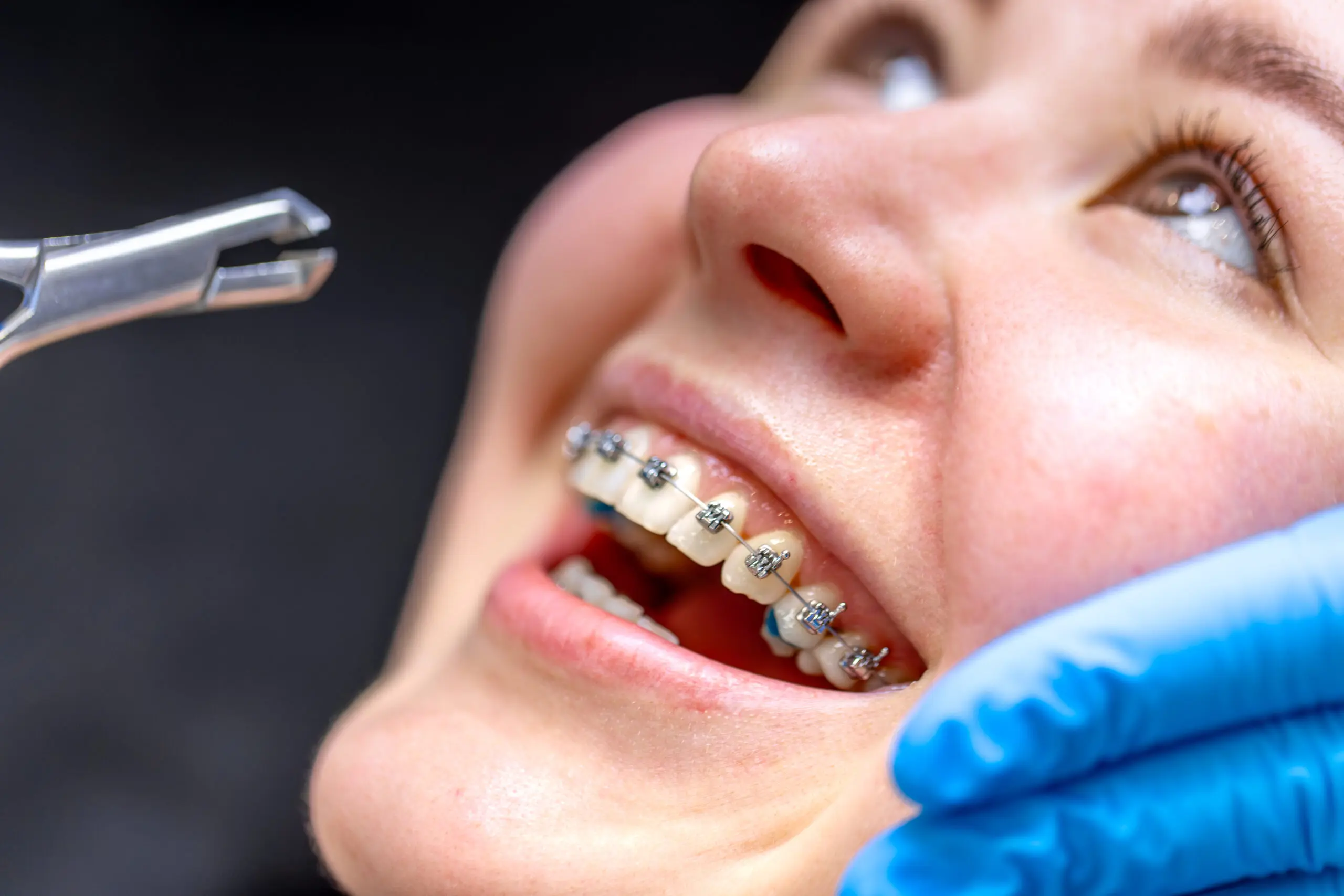
Getting traditional metal braces in Tempe, Arizona, is a structured, step-by-step process designed to correct alignment issues through consistent, gentle pressure. The journey typically takes 18 months to three years, beginning with a free consultation and concluding with a new retainer to maintain your smile.
A straighter smile changes how you feel every time you catch your reflection. If you have been considering traditional metal braces in Tempe for yourself or your child, understanding the process helps you feel prepared and confident.
At Smilebliss Orthodontics in Tempe, we guide every patient through each step. Our team has helped hundreds of people achieve straighter smiles, and we make the experience comfortable and stress-free.
Ready to get started? Contact us today for your free consultation!
The orthodontic process begins with an initial consultation that typically lasts 30 to 60 minutes. This appointment allows your orthodontist to evaluate your oral health and determine whether braces are the appropriate treatment option.
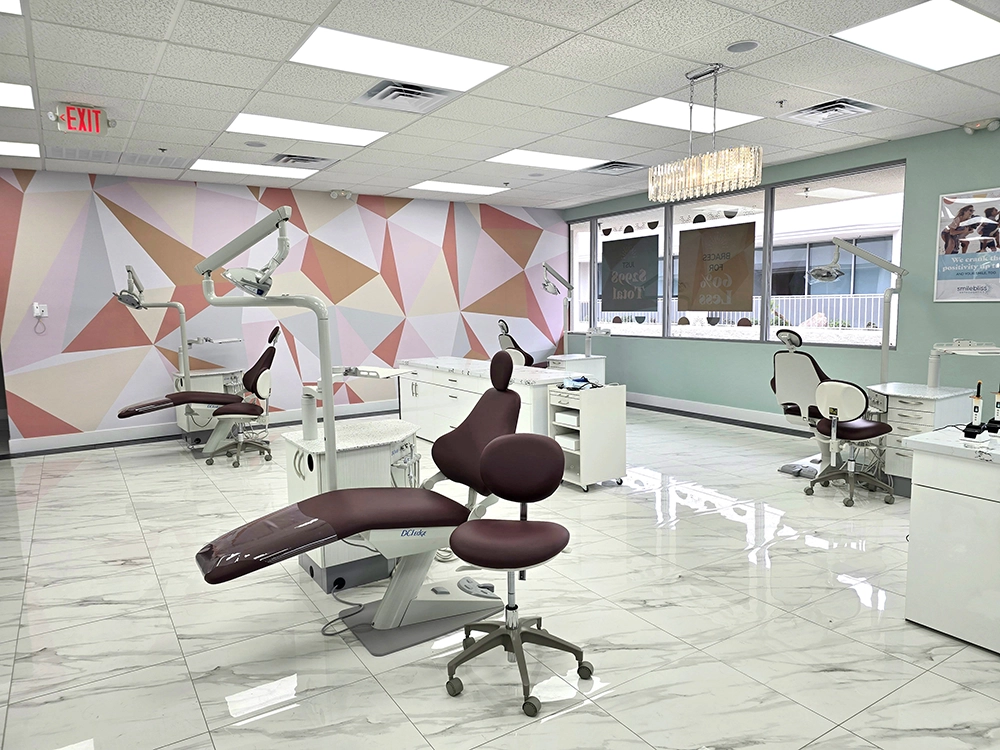 Your orthodontic team performs a thorough examination of your teeth, jaw alignment, and bite. Diagnostic records are taken, which typically include digital X-rays, photographs, and impressions or 3D scans of your teeth. These records help identify orthodontic issues such as crowding, spacing, overbites, underbites, or crossbites.
Based on the examination and diagnostic records, your orthodontist develops a customized treatment plan. This plan outlines the recommended approach, estimated treatment duration, and expected outcomes. You will have the opportunity to ask questions and discuss any concerns before making a decision.
Braces placement is a straightforward procedure that typically takes one to two hours. The process is not painful, though you may feel some pressure during bracket placement.
Your orthodontic team begins by cleaning and drying your teeth. A conditioning solution is applied to help the adhesive bond properly. Small metal brackets are then attached to the front surface of each tooth using dental bonding cement. Once all brackets are in place, an archwire is threaded through them and secured with elastic ligatures.
The archwire applies continuous, gentle pressure to the teeth, which initiates the tooth movement process. Over time, this pressure causes the bone around the teeth to remodel, allowing teeth to shift into proper alignment.
Contemporary metal brackets are significantly smaller and more comfortable than those used in previous decades. The low-profile design reduces irritation to the lips and cheeks. Patients can choose colored elastic ligatures to personalize their appearance.
Most patients experience mild discomfort or pressure for a few days following placement. This sensation is normal and indicates that the teeth are beginning to move. Over-the-counter pain relievers, soft foods, and orthodontic wax can help manage any temporary discomfort.
Ongoing adjustments are a necessary part of orthodontic treatment. These appointments are typically scheduled every four to eight weeks, depending on the treatment plan.
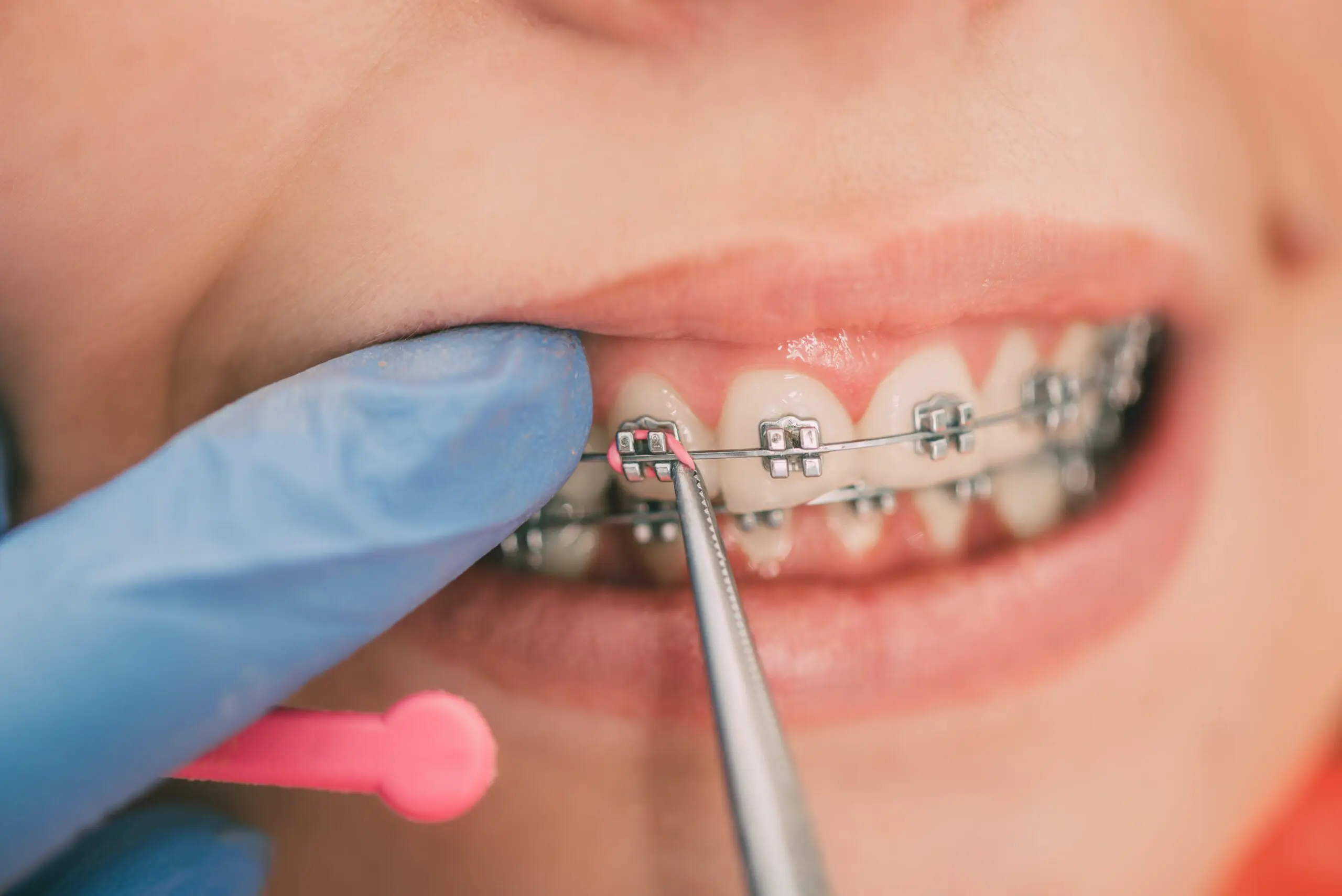 Each adjustment appointment lasts approximately 15 to 30 minutes. Your orthodontist removes the elastic ligatures, evaluates tooth movement progress, and makes necessary modifications to the archwire. A new or adjusted wire is then placed, and fresh ligatures are applied. These periodic adjustments maintain the appropriate level of pressure needed for continued tooth movement.
Mild tenderness for one to two days following an adjustment is common. This discomfort typically diminishes as the teeth adapt to the new pressure. Maintaining a soft food diet during this period can help minimize any sensitivity.
Maintaining excellent oral hygiene throughout orthodontic treatment is critical for preventing tooth decay and gum disease. Brackets and wires create additional surfaces where plaque and food particles can accumulate.
Brushing after every meal is strongly recommended. A soft-bristled toothbrush or electric toothbrush effectively cleans around brackets and along the gumline. Daily flossing is necessary, though it requires additional tools such as floss threaders, orthodontic flossers, or interdental brushes to navigate around the archwire.
Certain foods pose a risk of damaging brackets or wires. Hard foods such as nuts, hard candies, ice, and raw carrots can break brackets. Sticky foods, including caramel, taffy, and chewing gum, can pull brackets off teeth or become lodged in the braces. Biting directly into hard foods like apples or corn on the cob should be avoided. Cutting these foods into smaller pieces is recommended.
The median length of orthodontic treatment is approximately 22 months. However, individual treatment times vary based on several factors, including the severity of the orthodontic issues, patient age, and compliance with treatment instructions.
Mild cases involving minor crowding may be completed in 12 to 18 months. More complex cases involving significant bite correction can extend to 24 to 36 months or longer. Your orthodontist will provide a personalized estimate during the consultation and will update you on progress throughout treatment.
Braces removal marks the completion of active orthodontic treatment.
Removing braces is a quick and painless process. Your orthodontist uses specialized instruments to gently detach each bracket from the tooth surface. Any remaining adhesive is carefully removed, and the teeth are polished. The entire procedure typically takes 30 to 60 minutes.
Retainers are prescribed following the braces removal to maintain the new tooth positions. Teeth have a natural tendency to shift back toward their original positions, a phenomenon known as orthodontic relapse. Wearing retainers as directed by your orthodontist is necessary to preserve your results long-term.
Retainers may be removable or fixed, depending on your orthodontist’s recommendation. The retention protocol typically involves full-time wear initially, transitioning to nighttime wear over time. Many orthodontists recommend wearing retainers indefinitely to maintain results.
At Smilebliss Orthodontics, we offer the Retainer Promise Program, which includes up to two sets of replacement retainers per year for five years after treatment. We created this program to give our patients peace of mind, knowing we have them covered if a retainer is ever lost or damaged.
The process of getting traditional metal braces in Tempe is straightforward with the right orthodontic team guiding you.
Schedule your free consultation with Smilebliss Orthodontics. Call (480) 907-0764 or visit us at 512 E. Southern Avenue, Suite 104 in Tempe.
Your future self will thank you.
Medical Disclaimer: This content is for informational purposes only and does not constitute medical advice. Please consult a qualified orthodontist for diagnosis and treatment recommendations specific to your needs.
The braces placement appointment typically takes one to two hours. This includes cleaning your teeth, bonding the brackets, and attaching the archwire.
The placement process itself is not painful. However, most patients experience mild pressure or soreness for a few days afterward as their teeth begin to adjust.
Adjustment appointments are typically scheduled every four to eight weeks throughout treatment. Each visit lasts approximately 15 to 30 minutes.
According to the American Association of Orthodontists, the median treatment time is approximately 22 months. Individual cases range from 12 months for mild issues to over 3 years for complex cases.
Avoid hard foods like nuts, hard candies, and ice. Sticky foods such as caramel, taffy, and chewing gum should also be avoided. Cut hard fruits and vegetables into smaller pieces before eating.
Brush after every meal using a soft-bristled or electric toothbrush. Angle the brush to clean around brackets and along the gumline. Use floss threaders or interdental brushes to floss daily.
No, braces removal is quick and painless. The orthodontist gently detaches each bracket, removes the adhesive, and polishes your teeth. The process takes 30 to 60 minutes.
Retainers are required after braces to prevent teeth from shifting back. Most orthodontists recommend full-time wear initially, then transitioning to nighttime wear. Many patients wear retainers indefinitely to maintain their results.
