
Looking for top quality teeth care? Dreaming about a perfect smile? Your search ends at Smilebliss!
We’re not just any orthodontic center, but a friendly team who will take the time to understand your needs and plan out the best treatment for you.
Thinking about getting braces? Smilebliss is the place to be! They promise to take good care of you and make your braces journey as easy and enjoyable as possible.
No matter if you’re considering traditional metal braces or clear aligners, or we’re ready to help.
Dental braces are orthodontic devices used to help straighten crooked or misaligned teeth and improve the bite of your teeth.
Different types of braces have different benefits and drawbacks so it’s important to understand the different types available and to consult with your dentist before making a decision. Let’s discuss the different types of braces available as well as their pros and cons.
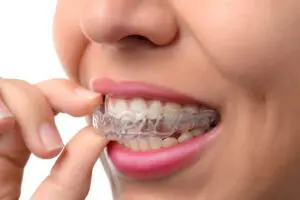 Invisible aligners are made out of plastic trays that fit over each individual tooth for an improved smile without using brackets or wires. This style is nearly invisible and removable for cleaning purposes but usually requires more frequent visits than traditional braces due to the patient’s ability to remove them at will – meaning they must be regularly monitored by an orthodontist for progress or need for replacement.
These aligners can correct mild cases of crooked teeth, crowding, spacing issues, etc., but cannot fix severe cases such as major bite problems or crowded teeth.
Furthermore, care should be taken when removing these aligners because they can cause discomfort if applied improperly or become loose over time due to improper wear/discoloration.
Braces are special tools used by dentists to straighten teeth and fix issues with how the teeth fit together, which is known as malocclusion. They slowly move your teeth into the right place by putting steady, gentle pressure on them.
Braces are made up of little pieces called brackets that are stuck to each tooth, along with wires and small rubber bands that link the brackets together and put pressure on the teeth. As your teeth move, the braces are adjusted to keep the process going.
How long you need to wear braces depends on what issues you have with your teeth. It could be just a few months or a few years. But once they’re off, your teeth will look and work much better!
Braces provide numerous benefits, which extend beyond just improving the appearance of your smile.
Here are some key benefits:
Remember, it’s never too late to reap the benefits of braces. They’re not just for kids or teens; many adults get braces too. It’s always a good time to work towards a healthier, happier smile!
Getting braces is a big step towards improving your oral health, but it also requires some preparation. Here are steps to help you prepare for your braces treatment:
Before getting braces, ensure your teeth are in the best possible condition. This might involve dental cleaning, cavity fillings, or extraction of wisdom teeth if necessary.
Learn about the types of braces available, the process of getting them put on, and what to expect during the treatment. Your orthodontist will guide you through this.
Braces can be uncomfortable at first, and it takes time to get used to them. Understand that it’s a process, and temporary discomfort leads to long-term benefits.
With braces, some foods are off-limits. Hard, chewy, or sticky foods can damage braces. Start thinking about changes you may need to make in your diet.
Braces require special care. Get supplies like orthodontic wax (for any sharp edges that might cause discomfort), a water flosser or special floss threaders (for cleaning around wires and brackets), and a soft-bristled toothbrush or a special orthodontic brush.
Regular appointments with your orthodontist are necessary for adjustments and checkups. Make sure you have time in your schedule for these.
Remember, getting braces is a journey, not an event. Be patient, ask questions, and keep your end goal in mind: a healthier and more beautiful smile.
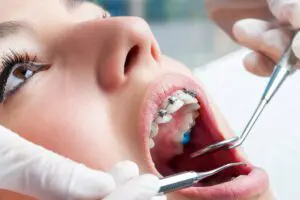 Braces treatment is an effective way to straighten crooked or misaligned teeth.
During the process, an orthodontist will first evaluate the patient’s mouth and teeth and then suggest the best type of braces that will achieve the desired results.
The braces are then carefully adjusted before full placement so that they fit comfortably in the patient’s mouth.
During regular visits, patients would have their braces tightened, making sure that their teeth move into their correct position over time.
X-rays and images may be taken during check-ups to monitor progress as well as changes, if any, that need to be made to the braces for better results.
Taking care of your teeth and gums when you have braces can be a bit tough, but it’s really important to prevent problems like gum disease and cavities.
Here’s how to keep your mouth healthy while you’re wearing braces:
By sticking to these guidelines, you can keep your teeth and gums in top shape even while you’re wearing braces.
Smilebliss braces cost up to 60% less than other offices — just $2,998 total with payments of $123/month.
Braces can be put on at a variety of places ranging in price. Generally, the cheapest place to get braces is through an orthodontics office that offers discounts or payment plans. Some dental schools also offer lower-cost services for those seeking braces.
The cost of braces can vary significantly depending on the severity of the individual’s needs and what types of braces are chosen. On average, most people can expect to pay between $3,000-$6,000 for their braces treatment.
