
Posted on December 12, 2025
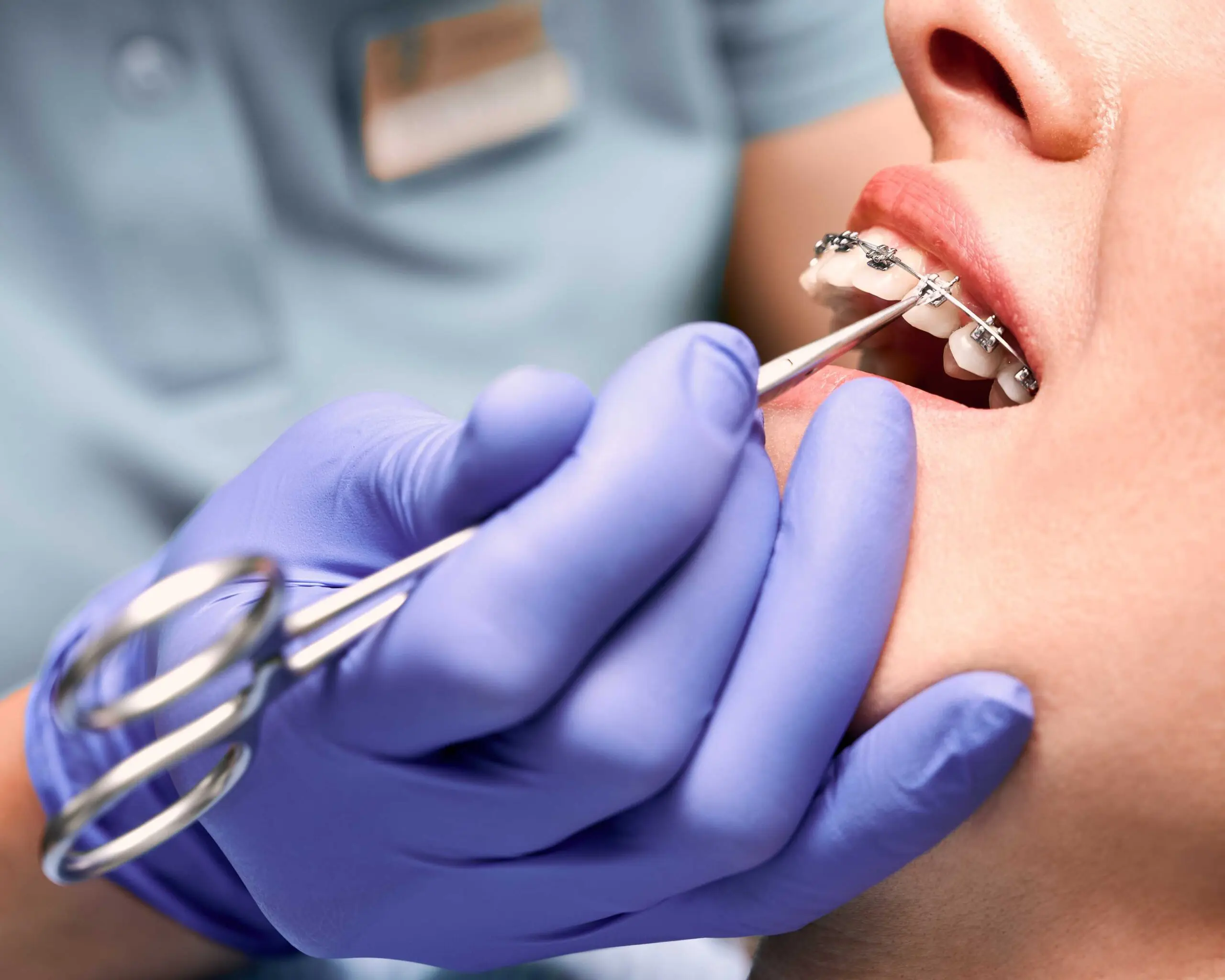
Broken brackets or wires are common issues that can disrupt your orthodontic treatment. At Smilebliss, we address these problems quickly to keep your treatment on track and your comfort intact.
Broken brackets often occur from biting into something hard or due to physical trauma, while wires can shift, bend, or protrude, causing irritation and pain. These disruptions, though common, can be easily managed with the right approach.
Contact us today for prompt, effective solutions to broken brackets or wires, and let us help you get your treatment back on track without further delay.
When you experience a broken bracket or wire, taking immediate action helps prevent complications.
Follow these steps:
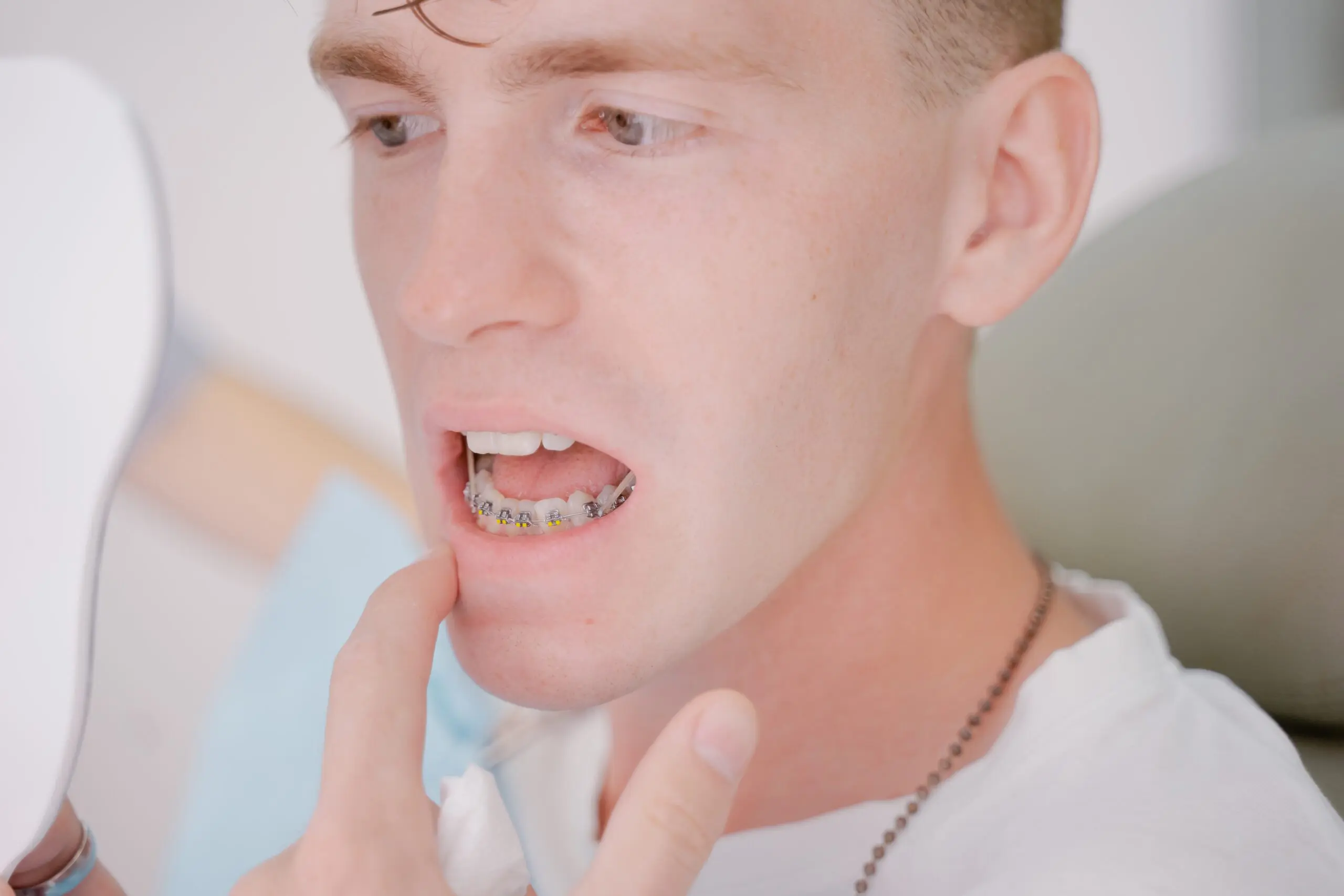 First, examine the braces carefully. Look for any broken or loose brackets, and check for wires that are out of place or missing. Ensure there are no sharp edges that could irritate your gums or the inside of your cheeks.
If a bracket is loose but still attached, make a note of its position and whether it affects your bite. Understanding the extent of the damage will help you decide what steps to take next.
If a part of the braces is broken but still in place, use clean fingers or sterile tweezers to gently move it back into position. Apply orthodontic wax to protect your mouth from sharp edges, or use the wax to keep loose components in place temporarily.
If a wire is protruding and causing pain, you can use sterile nail clippers to carefully trim off the sharp end. Store any lost or detached pieces in a clean container to bring to your orthodontist.
Gargling with warm salt water can help soothe irritation and keep your mouth clean. Over-the-counter pain relievers, such as ibuprofen or acetaminophen, can reduce discomfort.
Stick to soft foods like mashed potatoes, yogurt, and scrambled eggs to avoid straining your braces further. If swelling occurs, apply a cold compress to the outside of your mouth to alleviate the pain.
Once you’ve addressed the immediate issues, reach out to Smilebliss right away. Let them know which part of your braces is broken and how much discomfort you’re experiencing. Follow their instructions for any temporary fixes and make an appointment to have the issue repaired as soon as possible to keep your treatment on track.
Understanding the common causes of broken brackets and wires can help you avoid future issues and keep your orthodontic treatment on course.
Hard and sticky foods can cause brackets to break or wires to become displaced. Foods like nuts, caramel, popcorn, and hard candy should be avoided. Cutting larger fruits and vegetables into smaller pieces will also help prevent damage.
Dried fruits and bagels can dislodge wires, so be cautious when consuming these types of food. Consistently avoiding these foods helps prevent delays in your treatment.
Chewing on pens, pencils, or ice can exert unnecessary pressure on your braces, causing them to break or become damaged. Similarly, biting your nails or chewing on non-food items can harm the braces. Avoiding these habits will help protect the integrity of your braces throughout your treatment.
Trauma from physical activities, such as sports accidents, is a common cause of broken braces. Wearing a mouthguard during sports activities is essential to prevent this type of damage. If you experience a direct injury to your mouth, contact your orthodontist immediately to assess any damage to your braces and avoid delaying treatment.
Braces undergo a lot of wear and tear during treatment. Over time, bonding agents can weaken, and wires can bend or break due to consistent use. This is why regular orthodontic check-ups are crucial to detect any issues early and ensure the proper alignment of your teeth.
When you visit Smilebliss for a broken bracket or wire repair, here’s what you can expect:
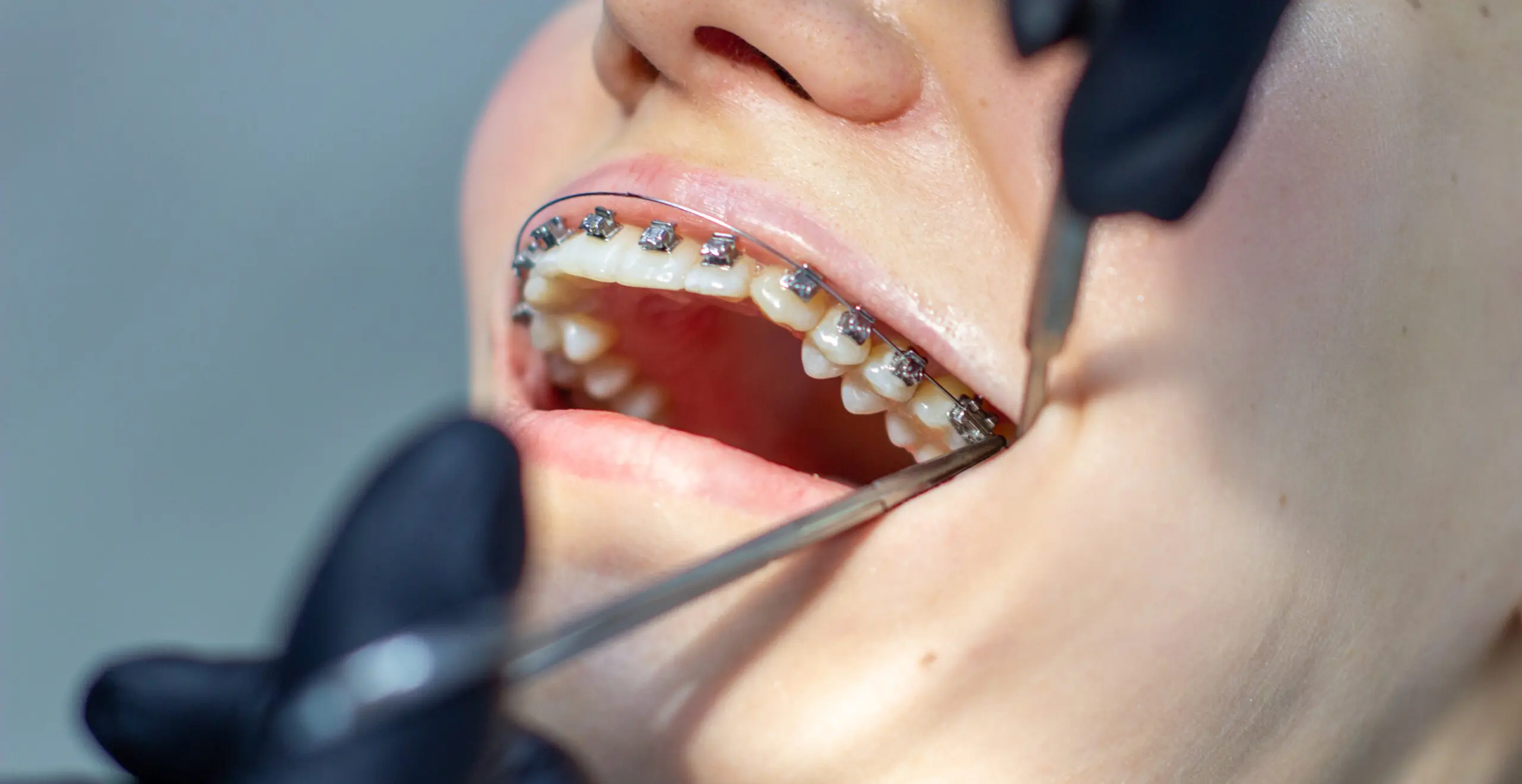 Your orthodontic team will carefully examine the broken part of your braces and assess if any sharp edges need immediate attention. They’ll also look for the cause of the damage, whether it’s from hard foods, physical trauma, or material fatigue. This diagnosis helps prevent similar issues from occurring in the future.
We will then proceed to repair the damage. Broken brackets will be re-bonded, and wires may be repositioned or replaced as needed. The procedure is usually quick, typically taking 5–20 minutes, depending on the complexity of the issue.
After the repair, your orthodontic team may adjust the tension on the wires to ensure that your braces are working properly. They will also provide aftercare instructions, such as avoiding hard or sticky foods for a few days to ensure that the repairs set properly. You may also be advised to rinse with salt water to promote healing.
To avoid broken braces and minimize the need for repairs, here are some helpful tips:
Though broken brackets and wires are common, addressing them quickly can prevent any disruption to your orthodontic treatment. Simple steps like using wax, avoiding hard foods, and seeking prompt repairs are essential to maintaining the progress of your treatment.
At Smilebliss Orthodontics, we are here to provide you with fast, effective solutions to keep your treatment on track. If you experience any issues with your braces, contact us right away!
Medical Disclaimer: The information provided in this article is for general educational purposes only and is not a substitute for professional orthodontic care, diagnosis, or treatment. If you are experiencing pain, injury, or a broken appliance, contact a licensed professional for personalized guidance.
