
Posted on January 19, 2026
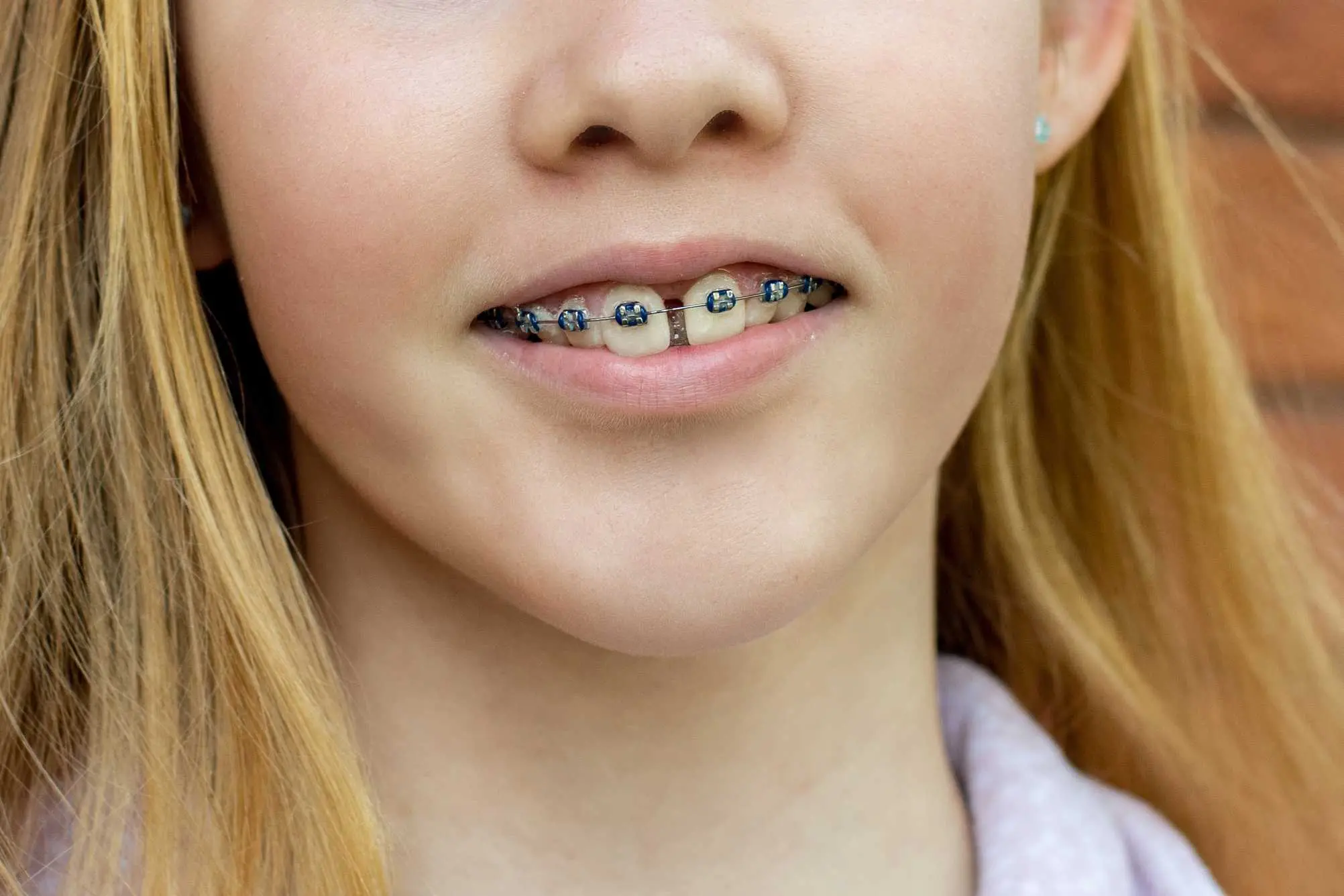
Metal braces are a classic, durable, and affordable choice for kids needing significant alignment correction, offering proven effectiveness for complex issues like severe crowding or bite problems.
Metal braces help children with crowding, spacing, or bite patterns that need steady correction during growth. Parents often ask whether this option fits their child’s alignment needs, especially when spacing or bite concerns affect comfort, function, or appearance.
When these issues continue during growth, they may influence chewing, speech clarity, and long-term comfort. At Smilebliss Orthodontics, we guide families through treatment with a clear, supportive approach focused on healthy alignment and positive experiences.
Schedule an appointment today to review your options and take the next step toward your child’s confident smile.
Metal braces straighten teeth using brackets and archwires that apply controlled pressure over time. They remain a common option for children with moderate to complex alignment patterns that need consistent correction.
Stainless steel brackets attach to teeth and connect through archwires that guide movement gradually. Elastic ties assist with bite guidance and help direct teeth into planned positions as treatment progresses. Braces stay in place full-time, which allows steady correction without relying on daily removal. This approach works well for children who may find removable systems difficult to manage.
Appointments usually take place every four to six weeks to monitor progress and make adjustments. Treatment commonly lasts between 12 and 24 months, depending on spacing, bite pattern, and growth stage. After braces are removed, retainers help maintain alignment while the mouth adjusts.
Children may benefit from braces when alignment or bite patterns affect comfort, function, or daily care. These concerns often appear during growth and are easier to address when identified early.
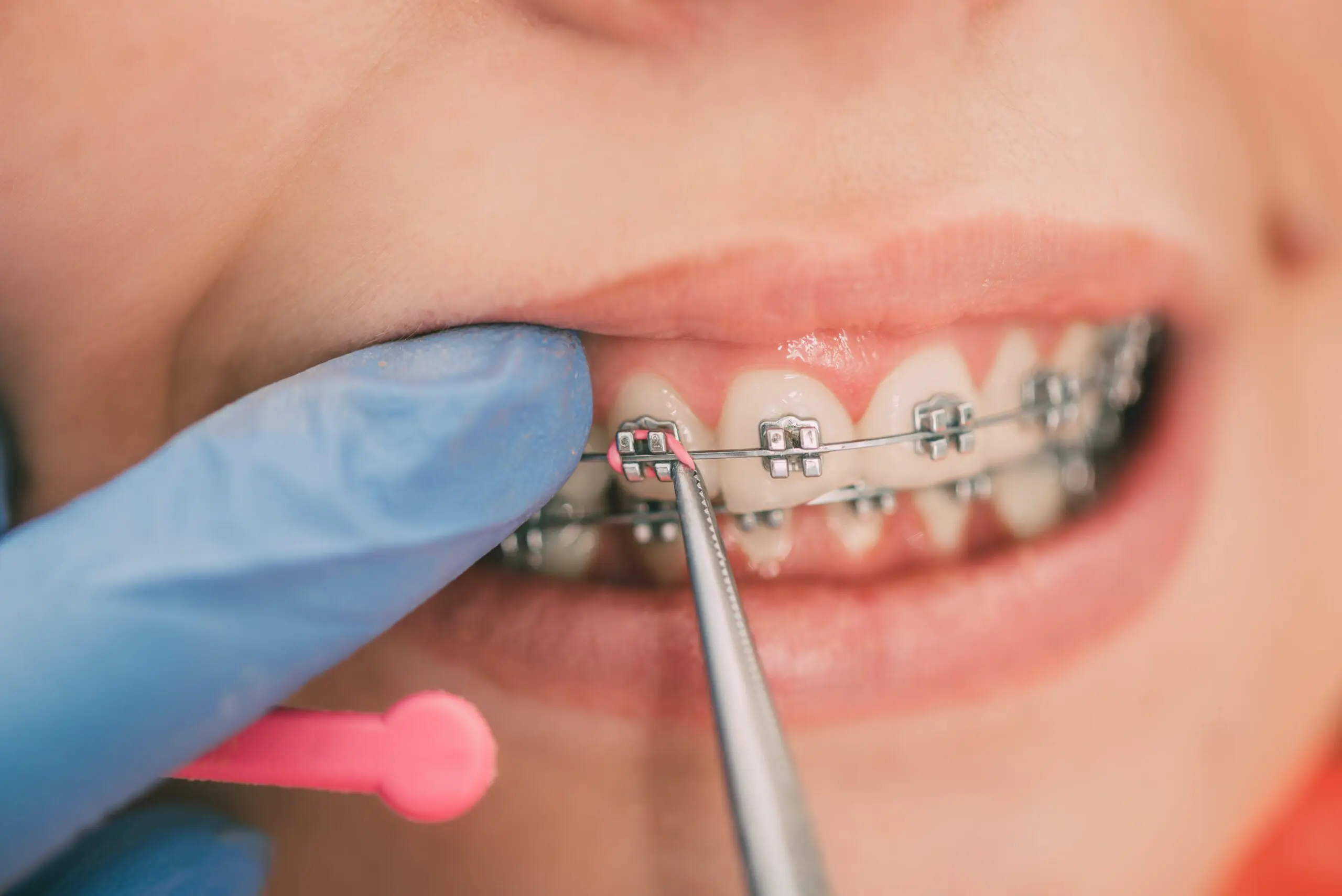 Crooked or overlapping teeth can make cleaning more difficult and raise the chance of plaque buildup. Uneven contact between teeth may lead to wear that affects comfort over time. Children may also feel self-conscious about visible crowding.
Straightening improves chewing efficiency, speech clarity, and ease of daily care. Teeth that line up properly tend to function more comfortably.
Overbites, underbites, and crossbites may place strain on jaw joints and surrounding muscles. Children may notice clicking, shifting, or discomfort while eating. Some experience uneven pressure that causes fatigue during meals.
Correcting bite patterns during growth supports balanced jaw motion and helps distribute pressure more evenly across teeth.
Thumb sucking, extended pacifier use, and tongue pressure can shift teeth out of position. These habits often influence spacing and bite patterns over time.
Braces correct the results of these habits, while guidance helps children move away from behaviors that influence alignment.
Orthodontic systems differ in visibility, wear style, and how well they address complex alignment patterns, with options suited to different ages and daily routines.
Metal braces offer reliable correction, steady progress, and consistent results for growing children. It continues to serve as a dependable option for children with developing alignment patterns.
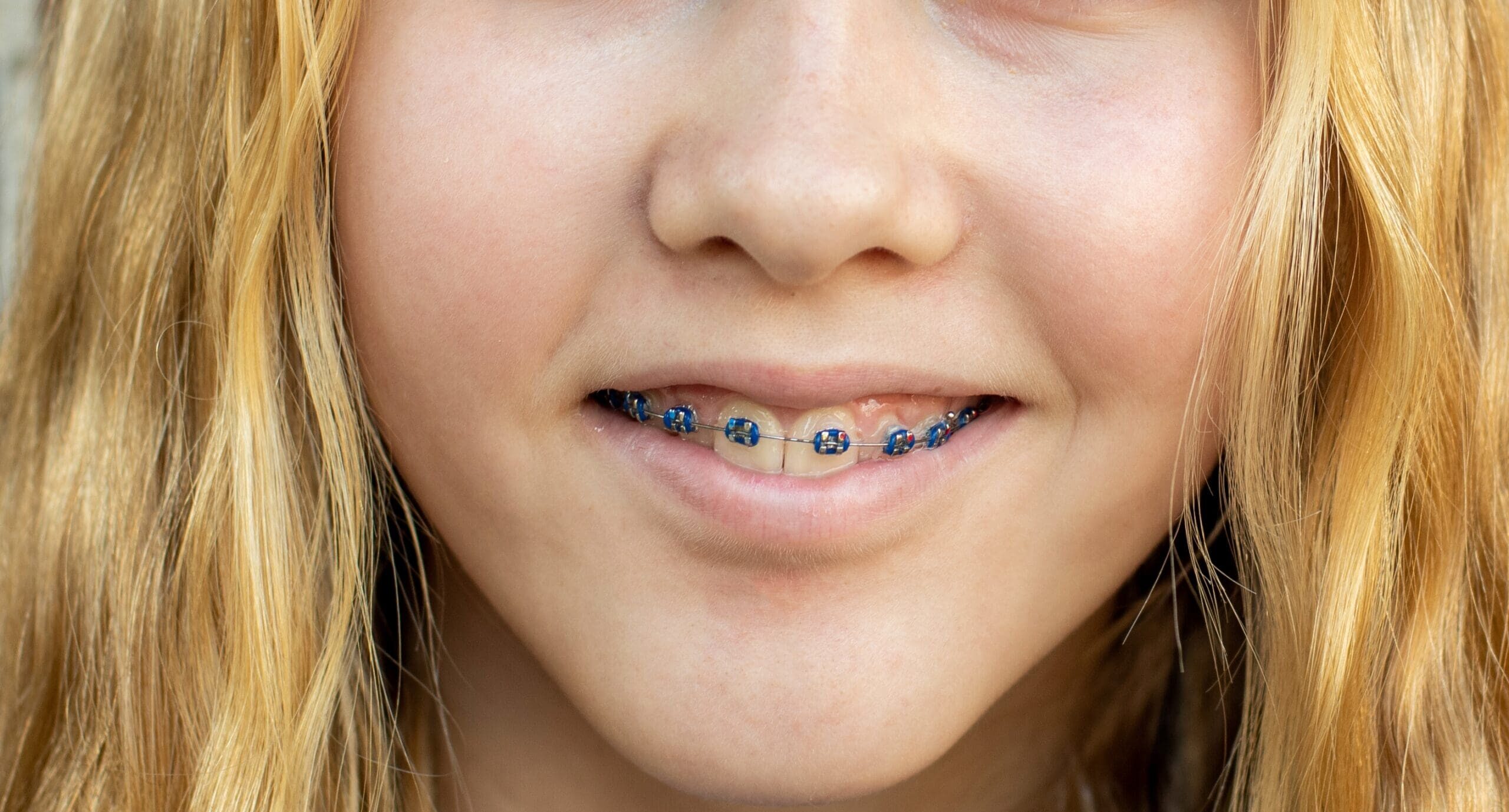 Metal braces correct spacing, crowding, and bite patterns within one system. This supports balanced chewing, clearer speech, and long-term alignment.
They manage both simple and complex cases without relying on removable components.
Metal braces often cost less than ceramic systems or aligners and may be covered by insurance plans. Their durability reduces the chance of breakage, which limits unexpected visits.
After treatment ends, retainers help preserve alignment and protect results. Wearing retainers as directed supports lasting comfort and function as the mouth adjusts.
Daily habits influence how smoothly treatment progresses. While braces stay in place, simple routines support comfort and cleanliness.
Careful brushing around brackets and wires helps remove food particles, while flossing tools reach tighter areas. Some food choices may need adjustment, as hard or sticky items can damage brackets, and softer foods often feel better after adjustments.
Mild soreness may occur as teeth respond to pressure and usually fades within a few days. Children can continue school, sports, and activities as usual, with mouthguards offering added protection during contact sports.
Questions often come up around timing, expectations, and what treatment will look like day to day. A one-on-one conversation helps clarify those details without pressure.
For many families, the right choice depends on timing, treatment length, and daily routines.
At Smilebliss Orthodontics, we offer consultations designed to answer questions clearly and outline next steps. Contact us today to discuss options and decide what works best for your child.
Many children begin treatment between ages 9 and 14, depending on growth patterns, spacing, and bite development.
Treatment commonly lasts between 12 and 24 months, though timing varies based on alignment needs and growth stage.
Mild soreness may occur after adjustments as teeth respond to pressure. This usually fades within a few days.
Most foods remain fine, though hard or sticky items may need limits to avoid bracket damage.
Metal braces often suit children who need consistent correction without relying on daily wear habits.
